CM Mohan Yadav chairs planning meet for Kalidas Samaroh
Synopsis
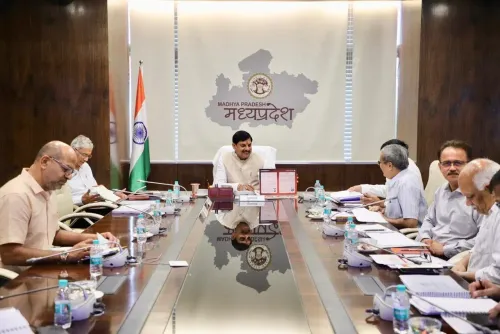
Chief Minister Dr. Mohan Yadav chaired a meeting at the Mantralaya conference hall on 29 September 2026 to outline the programme for the upcoming Kalidas Samaroh, Madhya Pradesh's annual classical Sanskrit and performing-arts festival held in Ujjain, with central committee members present.
Key Takeaways
Mohan Yadav chaired a preparatory meeting for the upcoming Kalidas Samaroh at the Mantralaya conference hall on 29 September 2026 .
Members of the festival's central committee attended the meeting to discuss the event's programme framework.
The Kalidas Samaroh is an annual festival held in Ujjain , dedicated to the works of classical Sanskrit poet Kalidas .
Madhya Pradesh has organised this heritage festival for several decades as a platform for classical theatre, Sanskrit scholarship, and performing arts.
Specific dates, invited artists, and budget details for the upcoming edition have not yet been officially released.
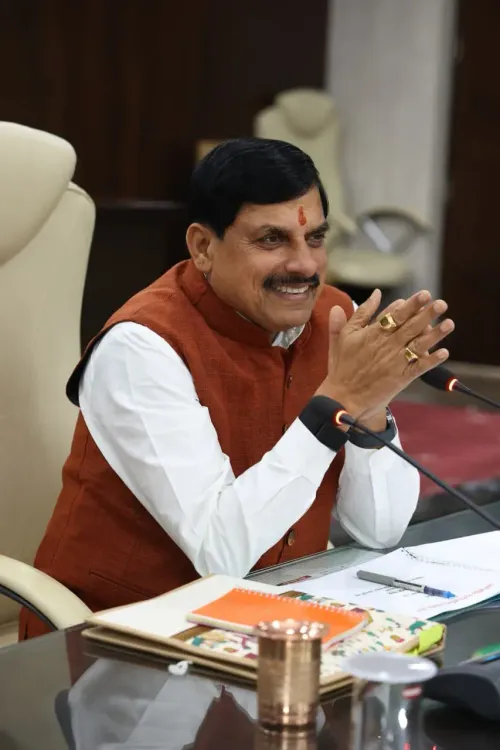
Classical Sanskrit literature is about to take centre stage in Ujjain — and Chief Minister Dr. Mohan Yadav is making sure the curtain rises right. On Tuesday, 29 September 2026, the Chief Minister's Office of Madhya Pradesh announced that Dr. Yadav chaired a preparatory meeting at the Mantralaya conference hall in Bhopal to map out the programme framework for the upcoming Kalidas Samaroh, with members of the festival's central committee in attendance.
The post from the Chief Minister's Office reads: 'Mukhyamantri Dr. Mohan Yadav ne Mantralaya sabhakaksh mein baithak kar aagami Kalidas Samaroh mein aayojit hone wale karyakramon ki rooprekha par charcha ki.' — ('Chief Minister Dr. Mohan Yadav held a meeting in the Mantralaya conference hall to discuss the outline of events to be organised at the upcoming Kalidas Samaroh.')Ujjain's annual ode to a Sanskrit giant
The Kalidas Samaroh is one of Madhya Pradesh's most enduring cultural institutions — an annual festival held in Ujjain, the city long associated with the classical Sanskrit poet and playwright Kalidas, author of works like Meghaduta and Abhijnanasakuntalam. For several decades, the Madhya Pradesh government has used this festival as a living platform for classical theatre, Sanskrit scholarship, and performing arts, drawing artists and scholars from across the country.
Ujjain's identity as a centre of classical Indian heritage — bolstered by its status as a pilgrimage city and host of the Kumbh Mela — makes the Samaroh a natural anchor for the state's cultural tourism strategy. Planning meetings with the festival's central committee are a standard part of the administrative cycle that precedes each edition.
Dr. Yadav's hands-on cultural stewardship
Dr. Mohan Yadav, who has served as Chief Minister since December 2023, has positioned cultural heritage events as a pillar of the state's public agenda alongside development projects. His direct involvement in the Samaroh's planning signals that the government intends to maintain — and potentially elevate — the festival's profile this year.
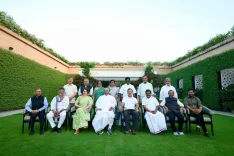
Attending the meeting were members of the Samaroh's central committee, described in the official post as having participated with distinction. Specific dates, venues, invited artists, and budget allocations for this edition have not yet been announced.
As programme details crystallise and the state releases the formal schedule, the Kalidas Samaroh will once again ask whether India's classical traditions can draw the audiences — and the attention — they deserve.
Point of View
Rather than delegating it to a cultural minister or bureaucrat, signals that the festival carries political as well as cultural weight for the current administration. As competition among states to brand themselves as custodians of India's classical traditions intensifies, high-visibility festivals like the Samaroh become instruments of soft power at the national level. The real measure of ambition will emerge when the programme schedule and budget allocations are announced.
NationPress
29 Sept 2026
Frequently Asked Questions
What is the Kalidas Samaroh?
The Kalidas Samaroh is an annual cultural festival held in Ujjain, Madhya Pradesh, dedicated to the works of classical Sanskrit poet and playwright Kalidas. It features classical theatre, Sanskrit scholarship, and performing arts, and has been organised by the Madhya Pradesh government for several decades.
Why is the Kalidas festival held in Ujjain?
Ujjain is historically and traditionally associated with Kalidas, one of ancient India's greatest Sanskrit poets and playwrights. The city's deep-rooted identity as a centre of classical Indian learning and pilgrimage makes it the natural home for the festival.
What did CM Mohan Yadav discuss at the Kalidas Samaroh meeting?
Chief Minister Dr. Mohan Yadav chaired a meeting at the Mantralaya conference hall in Bhopal on 29 September 2026 to discuss the programme framework for the upcoming Kalidas Samaroh, with members of the festival's central committee present.
When will the Kalidas Samaroh 2026 be held?
Specific dates for the upcoming edition of the Kalidas Samaroh have not yet been officially announced. The state government is currently in the planning and preparation phase.
Who is Dr. Mohan Yadav?
Dr. Mohan Yadav has been the Chief Minister of Madhya Pradesh since December 2023. He has made cultural heritage events a visible part of his administration's public agenda.