CM Mohan Yadav Chairs 6th Singhsth-2028 Review Meet
Synopsis
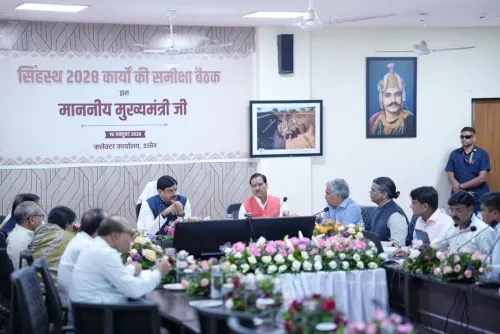
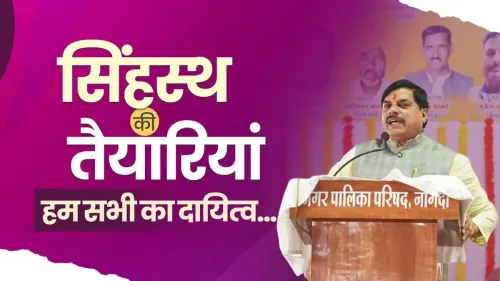
Chief Minister Dr. Mohan Yadav chaired the sixth meeting of Madhya Pradesh's cabinet ministerial committee on 9 June 2026 to review preparations and arrangements for Singhsth-2028, the Simhastha Kumbh Mela held every 12 years in Ujjain.
Key Takeaways
The sixth meeting of the ministerial committee for Singhsth-2028 was held at the Madhya Pradesh secretariat on 9 June 2026 .
Mohan Yadav chaired the review meeting of the cabinet-level body overseeing preparations.
Singhsth (Simhastha Kumbh Mela) is held in Ujjain every 12 years ; the previous edition took place in 2016 .
The committee's mandate covers planning, logistics, and infrastructure arrangements for the massive pilgrimage event.
Millions of pilgrims, Ujjain residents, and the broader Madhya Pradesh tourism sector are key stakeholders in the preparations.
State budget allocations and subsequent committee meetings will signal the pace of infrastructure development ahead of 2028 .
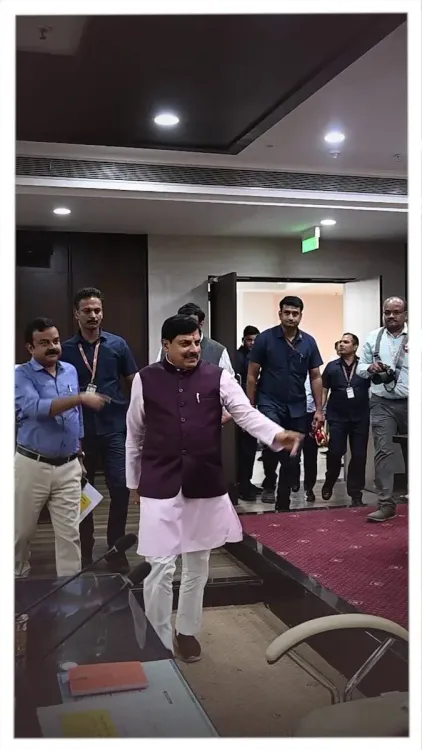
The Chief Minister's Office of Madhya Pradesh announced on Tuesday, 9 June 2026 that the sixth meeting of the cabinet-level ministerial committee formed to review preparations and arrangements for Singhsth-2028 was held at the state secretariat under the chairmanship of Chief Minister Dr. Mohan Yadav.
Context
The post, shared by the official @CMMadhyaPradesh handle, states: 'Mukhyamantri Dr. Mohan Yadav ki adhyakshata mein mantralaya mein Singhsth-2028 ki taiyariyon evam vyavasthaon ki samiksha hetu gathit mantri-mandaliya samiti ki 6vi baithak aayojit hui' — ('The sixth meeting of the ministerial committee constituted to review preparations and arrangements for Singhsth-2028 was held at the secretariat under the chairmanship of Chief Minister Dr. Mohan Yadav.')
The meeting marks a continued cadence of high-level oversight as the state government advances planning for one of the largest periodic religious gatherings in India. The committee has now convened six times, signalling sustained institutional attention to the event's logistics.
Policy Backdrop
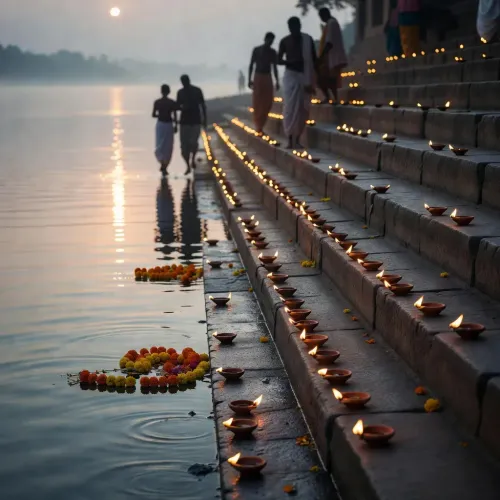
Singhsth, also known as the Simhastha Kumbh Mela, is held in Ujjain, Madhya Pradesh, every 12 years when Jupiter enters the Leo zodiac sign. The previous edition was held in 2016 and drew tens of millions of pilgrims to the ancient city on the banks of the Shipra river.
State governments in India routinely constitute cabinet-level bodies to coordinate the multi-departmental effort required for such events. Planning typically spans several years and involves public works, health, transport, urban development, and security agencies working in concert. Madhya Pradesh has followed this institutional model across successive Simhastha editions to manage the scale of the gathering.
The ministerial committee's mandate covers both preparatory planning and on-ground arrangements, ensuring accountability at the highest level of the state executive.
Stakeholders and Impact
The primary beneficiaries of robust Singhsth planning are the millions of pilgrims expected to converge on Ujjain in 2028. Residents of Ujjain and surrounding districts stand to gain from infrastructure upgrades — roads, sanitation, water supply, and public transport — that typically accompany Kumbh-scale preparations.
The tourism sector across Madhya Pradesh also has a direct stake, as the event historically generates significant economic activity in hospitality, retail, and transport. Vendors, hoteliers, and pilgrimage service providers begin positioning themselves well in advance of the event date.
What's Next
With the sixth review meeting now concluded, attention will turn to any decisions or directives that emerge from the committee's deliberations regarding project timelines and departmental targets. Subsequent meetings are expected to track progress on specific infrastructure projects in and around Ujjain.
State budget allocations earmarked for Singhsth-related works will be a key indicator of the pace and scale of preparations. As 2028 approaches, the frequency of committee meetings is likely to increase, with coordination across central and state agencies becoming more intensive in the run-up to the event.
Point of View
Institutionalised approach to large-scale religious event management that Madhya Pradesh has refined over successive Simhastha cycles. For Chief Minister Dr. Mohan Yadav, sustained personal chairmanship of these reviews signals political ownership of what is arguably the state's highest-profile cyclical event. The Singhsth preparations also serve as a vehicle for accelerating urban infrastructure investment in Ujjain, a city of deep cultural and electoral significance in the state. How effectively the committee translates review meetings into on-ground delivery will be a key test of the government's administrative credibility ahead of 2028.
NationPress
24 Oct 2026
Frequently Asked Questions
What is Singhsth 2028?
Singhsth 2028 refers to the Simhastha Kumbh Mela to be held in Ujjain, Madhya Pradesh, in 2028. It is a major Hindu pilgrimage fair that occurs every 12 years when Jupiter enters the Leo zodiac sign, drawing tens of millions of pilgrims.
Who is chairing the Singhsth-2028 ministerial committee?
Chief Minister Dr. Mohan Yadav of Madhya Pradesh chairs the cabinet-level ministerial committee constituted to oversee preparations and arrangements for Singhsth-2028.
How many times has the Singhsth-2028 ministerial committee met?
As of 9 June 2026, the ministerial committee has held its sixth meeting, indicating regular and sustained review of preparations ahead of the 2028 event.
Where is Singhsth held?
Singhsth is held in Ujjain, an ancient city in Madhya Pradesh situated on the banks of the Shipra river. The previous edition was held there in 2016.
What infrastructure work is planned for Singhsth 2028?
While specific decisions from the sixth committee meeting have not been officially detailed, preparations for Singhsth typically involve upgrades to roads, sanitation, water supply, public transport, and security infrastructure in and around Ujjain.