CM Mohan Yadav Holds Special Cabinet at Gandhi Sagar
Synopsis
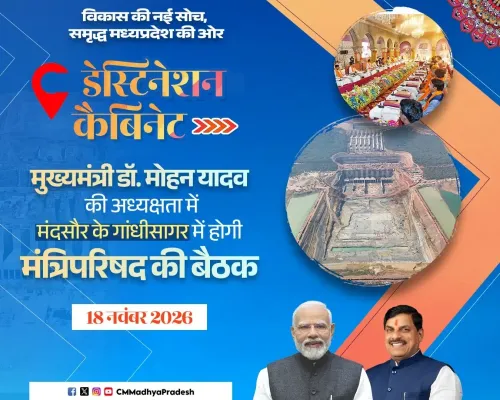
Madhya Pradesh CM Dr. Mohan Yadav chaired a special Cabinet at Gandhi Sagar, Mandsaur on November 18, 2026, taking far-reaching decisions on industrial development, investment promotion, renewable energy, air connectivity, and administrative reform.
Key Takeaways
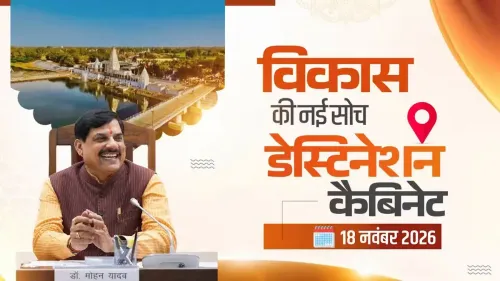
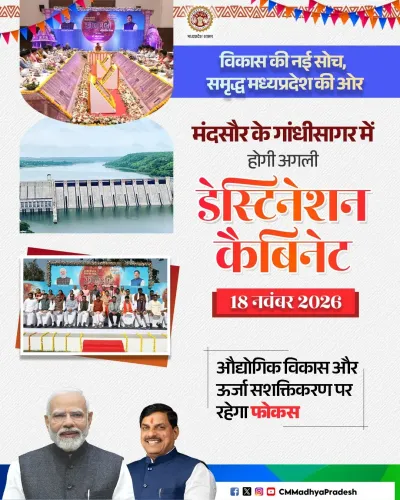
Special Cabinet meeting was held at Gandhi Sagar, Mandsaur on November 18, 2026 — outside the state capital Bhopal.
Decisions spanned five domains : industrial development, investment promotion, renewable energy, air connectivity, and administrative reforms.
Mohan Yadav described the resolutions as 'important and far-reaching' in his post on X.
The outstation venue at Gandhi Sagar reservoir signals a focus on the Mandsaur–Chambal belt region.
Specific scheme names, figures, and timelines are expected in the official Cabinet communiqué to follow.
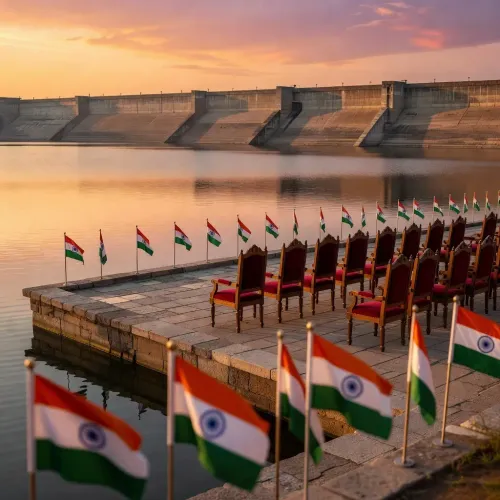
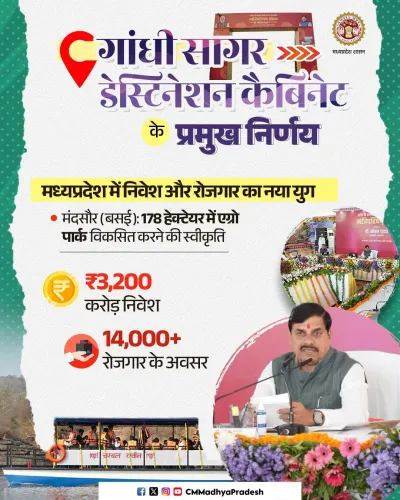
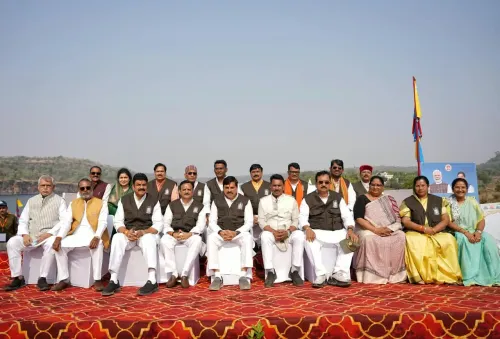
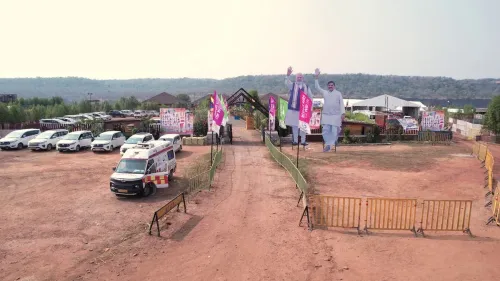
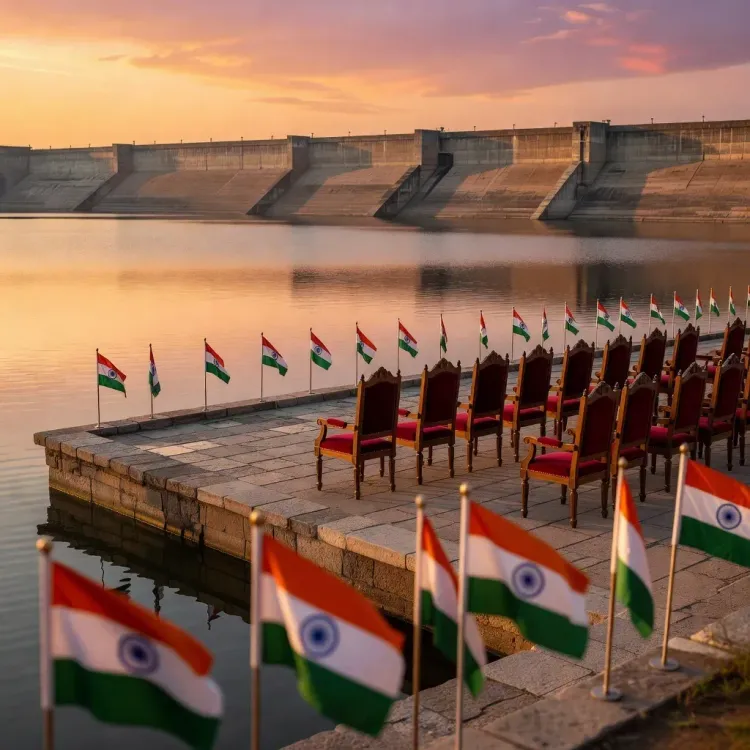
Away from the state capital, Madhya Pradesh Chief Minister Dr. Mohan Yadav convened a special Cabinet meeting at Gandhi Sagar in Mandsaur district on Wednesday, November 18, 2026 — taking the government's decision-making table to one of the state's most iconic reservoir sites. The meeting cleared a wide-ranging slate of decisions spanning industrial development, renewable energy, air connectivity, and administrative reform.
Posting on X, CM Yadav said the meeting at Gandhi Sagar had produced 'important and far-reaching decisions' — 'महत्वपूर्ण एवं दूरगामी निर्णय' — across five broad domains: overall industrial growth, investment promotion, renewable energy, expansion of air connectivity, and administrative reforms. No single announcement dominated; the breadth was the signal.Five Pillars, One Sitting
The agenda as stated by the Chief Minister covered Madhya Pradesh's comprehensive industrial development and investment attraction, its renewable energy ambitions, plans to widen the state's air-route network, and a fresh round of administrative streamlining. Taken together, the domains reflect a government trying to stitch together the supply side — energy and logistics — with the demand side: manufacturing investment and ease of governance.
Holding a Cabinet session outside Bhopal, at a heritage reservoir in Mandsaur, is itself a deliberate signal. Madhya Pradesh governments have used outstation Cabinet meetings as a tool to spotlight regional potential and project administrative reach beyond the capital — the symbolism of deciding policy at Gandhi Sagar, a dam that powers agriculture and industry in the Chambal belt, is unlikely to be accidental.
MP's Industrial and Energy Push: The Running Thread
These five agenda items are not new priorities — they form the backbone of Madhya Pradesh's medium-term economic strategy under the BJP government. The state has repeatedly positioned itself as a destination for manufacturing investment, backed by industrial corridors and investor summits. On green energy, MP has set capacity targets in successive state planning documents, with solar and wind projects advancing in the Vindhya and Malwa regions.
Air connectivity has been a particular pressure point: improving flight links to smaller cities is seen as critical both for business travel and for unlocking MP's tourism economy — from Khajuraho to Orchha to the wildlife corridors of the central highlands. Administrative reform, meanwhile, is the perennial companion to any investment-promotion drive — investors consistently cite clearance timelines and single-window efficiency as make-or-break factors.
What Comes Next from Gandhi Sagar
The specific resolutions passed — the scheme names, the investment figures, the timelines — will be detailed in the official Cabinet communiqué expected from the state government. That release will be the real test of whether the five-domain agenda translates into concrete, numbered targets or remains a broad directional statement. Industrial developers, renewable-energy players, and aviation stakeholders across Madhya Pradesh will be watching those details closely.
A Cabinet that travels to the Chambal belt to signal growth intent has set an expectation. The decisions taken at Gandhi Sagar now need to find their way onto the ground.
Point of View
Not just the capital corridor. The five-domain agenda mirrors Madhya Pradesh's investor-summit playbook: industrial corridors need energy supply, energy supply needs administrative clearances, and both need air links to function at scale. The real political test will come when the official communiqué drops — if the decisions are specific and time-bound, the Gandhi Sagar meeting becomes a credible milestone; if they are directional, it remains a signal without a schedule. For CM Yadav, this outstation Cabinet also reinforces his image as a hands-on administrator ahead of potential central-level scrutiny of MP's growth metrics.
NationPress
18 Nov 2026
Frequently Asked Questions
What was decided at the Gandhi Sagar Cabinet meeting in MP?
The special Cabinet meeting at Gandhi Sagar on November 18, 2026 cleared decisions on Madhya Pradesh's overall industrial development, investment promotion, renewable energy expansion, air connectivity improvement, and administrative reforms. Exact scheme details are expected in the official government communiqué.
Where is Gandhi Sagar located in Madhya Pradesh?
Gandhi Sagar is a major reservoir and dam site located in Mandsaur district in northwestern Madhya Pradesh, on the Chambal River.
Why did the MP Cabinet meet at Gandhi Sagar instead of Bhopal?
Chief Minister Dr. Mohan Yadav convened the special Cabinet at Gandhi Sagar as an outstation meeting — a practice used by state governments to spotlight regional significance and signal administrative engagement beyond the capital.
What is Madhya Pradesh's renewable energy policy direction?
Madhya Pradesh has set renewable energy capacity targets in state planning documents, with solar and wind projects advancing in the Vindhya and Malwa regions, and renewable energy was one of the five agenda items cleared at the Gandhi Sagar Cabinet.
How is Madhya Pradesh improving air connectivity?
Expanding air connectivity to smaller cities has been a priority for the MP government, aimed at supporting business travel and boosting tourism to destinations like Khajuraho and Orchha; it featured as a key agenda item in the November 18 Cabinet meeting.