CM Mohan Yadav Honours Fallen Police at Bhopal Parade
Synopsis
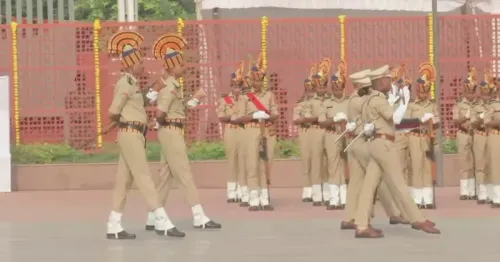
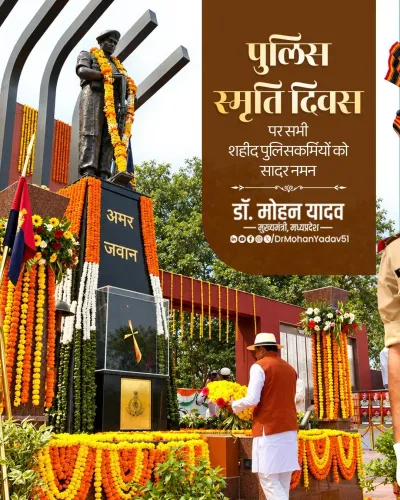
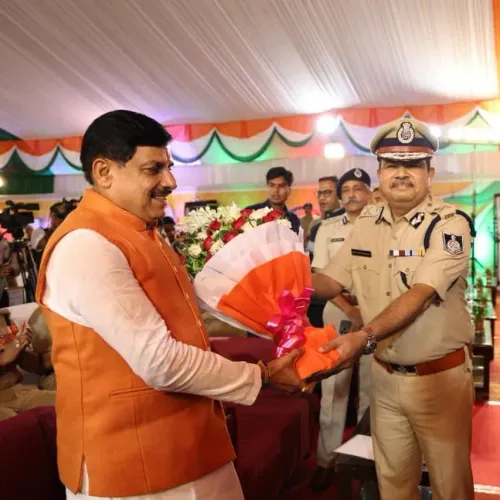
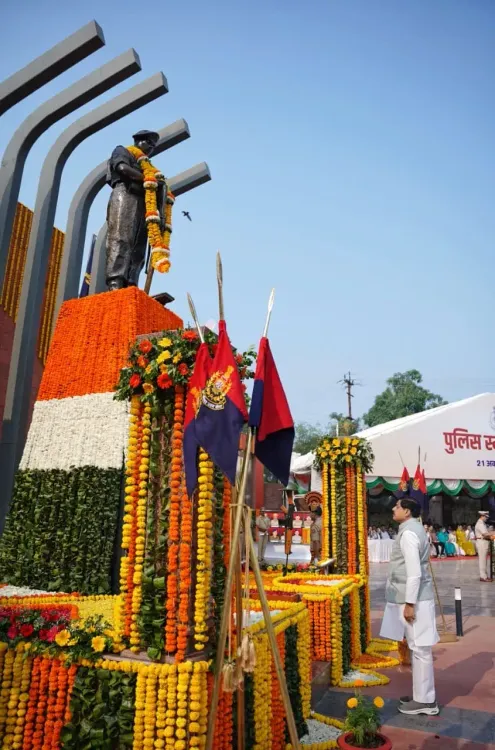
Chief Minister Dr. Mohan Yadav attended the Smriti Divas Parade Samaroh 2026 at Bhopal's Lal Parade Ground on Police Commemoration Day, laying a wreath to honour Madhya Pradesh police personnel who died in the line of duty.
Key Takeaways
Mohan Yadav participated in the Smriti Divas Parade Samaroh 2026 at Lal Parade Ground, Bhopal on 21 October 2026 .
The Madhya Pradesh Police accorded the Chief Minister a formal parade salute at the ceremony.
Yadav laid a floral wreath ( pushpachakra ) in tribute to police personnel killed in the line of duty.
Police Commemoration Day is observed nationally every 21 October since 1960 , marking the killing of ten CRPF personnel at Hot Springs, Ladakh, in 1959 .
State governments across India hold parallel remembrance ceremonies on this date as part of a uniform national protocol.
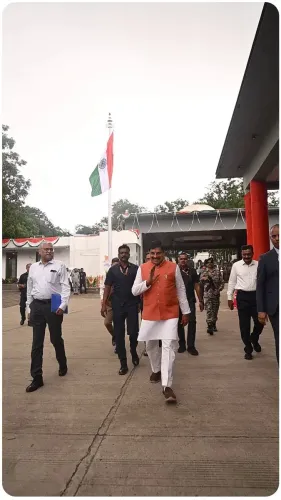
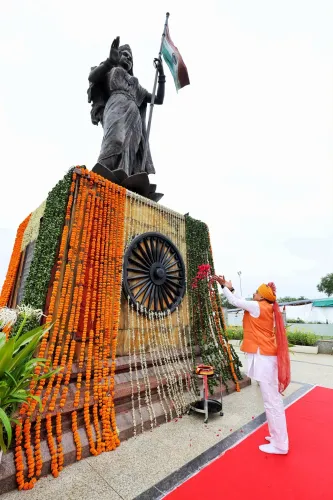
On a morning that belongs to the fallen, Chief Minister Dr. Mohan Yadav stood at attention at Bhopal's Lal Parade Ground on Wednesday, 21 October 2026 — Police Commemoration Day — and offered a wreath to every police officer who gave their life in the line of duty.
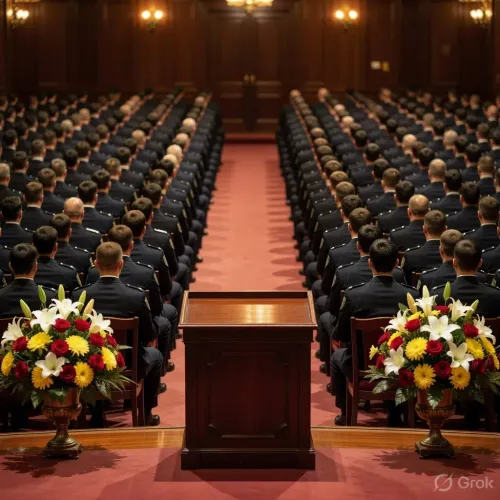
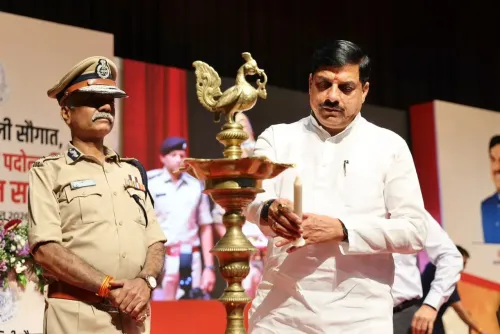
The Chief Minister's Office of Madhya Pradesh announced his participation in the 'Smriti Divas Parade Samaroh 2026' (Remembrance Day Parade Ceremony 2026), where the state police force accorded Dr. Yadav a formal parade salute. He then laid a floral wreath — pushpachakra — at the memorial, pausing in tribute to honour the courage, valour and supreme sacrifice of the men and women who did not come home.
Why 21 October carries a nation's grief
The date is not arbitrary. Police Commemoration Day has been observed every 21 October since 1960, a year after ten CRPF personnel were killed by Chinese troops at Hot Springs, Ladakh, in 1959 — one of the earliest and most searing reminders that India's borders are held at human cost. Since then, the day has expanded into a nationwide ritual of remembrance, with state governments holding parallel ceremonies as part of a uniform national protocol.
Madhya Pradesh's observance at the iconic Lal Parade Ground in Bhopal places the state in a long line of such ceremonies held simultaneously across the country — each one a public accounting of lives lost to internal security operations, counter-insurgency duties and border postings.
The weight behind the wreath
Dr. Yadav, who has served as Chief Minister of Madhya Pradesh since December 2023, used the occasion to invoke the soldiers' 'adamya sahas, shaurya evam sarvoch balidan' — their indomitable courage, bravery and supreme sacrifice. The families of martyred police personnel are the silent centre of every such ceremony: the wreath-laying is, at its core, a state's promise that the sacrifice was seen, recorded and will not be forgotten.
The Madhya Pradesh Police, tasked with maintaining law and order across one of India's largest states by area, has lost officers to duty in circumstances ranging from Naxal encounters to road accidents during operations. Each name on the memorial roll represents a family that continues to carry the weight the uniform left behind.
Sixty-seven years on from Hot Springs, the parade still assembles, the wreath still rests, and the salute still rings out — proof that a democracy's debts to its protectors do not expire.
Point of View
Every year, same date, same solemnity. Chief Minister Yadav's participation at Lal Parade Ground fits within a broad national pattern where state executives use the occasion to visibly reaffirm the government's bond with its security apparatus. For a CM who took office in December 2023, these ceremonial moments also serve a quieter function: building credibility and continuity with the uniformed services. The families of martyred personnel — politically and emotionally significant constituents — watch closely whether such tributes move beyond ceremony toward concrete welfare commitments.
NationPress
21 Oct 2026
Frequently Asked Questions
Why is Police Commemoration Day observed on 21 October?
Police Commemoration Day falls on 21 October every year to mark the killing of ten CRPF personnel by Chinese troops at Hot Springs, Ladakh, on 21 October 1959 . The national observance began in 1960 and has continued annually since.
What happened at Bhopal's Lal Parade Ground on Police Commemoration Day 2026?
Chief Minister Dr. Mohan Yadav attended the Smriti Divas Parade Samaroh 2026 , received a police parade salute, and laid a floral wreath honouring Madhya Pradesh police martyrs at Lal Parade Ground, Bhopal , on 21 October 2026 .
Who is Dr. Mohan Yadav?
Dr. Mohan Yadav is the Chief Minister of Madhya Pradesh , a position he has held since December 2023 . He is a member of the Bharatiya Janata Party.
What is a 'pushpachakra' in the context of police memorials?
A pushpachakra is a floral wreath laid at a memorial as an act of formal tribute. In police and military commemorations, it is placed by dignitaries to honour those who died in service.
Do all Indian states observe Police Commemoration Day?
Yes. State governments across India hold parallel remembrance ceremonies on 21 October every year as part of a uniform national protocol to honour police personnel killed in the line of duty.