CM Mohan Yadav Invokes Maa Sharda's Blessings for MP
Synopsis
Madhya Pradesh Chief Minister Dr. Mohan Yadav shared a Sanskrit shloka and Hindi prayer on 2 July 2026, invoking the blessings of Maa Sharda at the Maihar Shakti Peeth for the happiness, peace, prosperity, and health of all state residents.
Key Takeaways
Mohan Yadav , Chief Minister of Madhya Pradesh , posted a devotional prayer on 2 July 2026 invoking Maa Sharda .
The post opened with a Sanskrit shloka seeking the goddess's perpetual presence and blessings.
He prayed for happiness, peace, prosperity, and good health for all residents of Madhya Pradesh .
The prayer centred on the Maihar Sharda Shakti Peeth in Satna district , one of India's 51 major Shakti Peeths .
Maa Sharda is venerated as a form of the Divine Mother associated with knowledge and learning.
The post continues a pattern of MP government leaders publicly highlighting the state's religious and cultural heritage.
Madhya Pradesh Chief Minister Dr. Mohan Yadav on Thursday, 2 July 2026 shared a devotional prayer invoking Maa Sharda of the Maihar Sharda Shakti Peeth, seeking happiness, peace, prosperity, and good health for all residents of the state.
Context
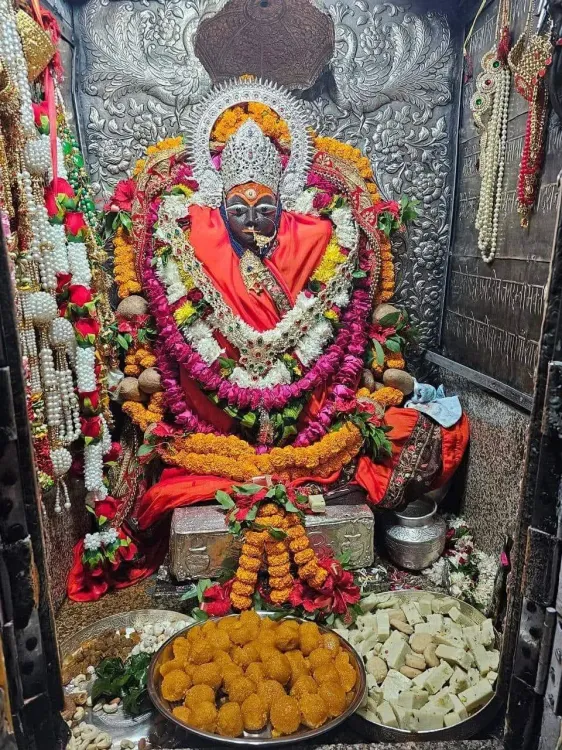
In his post, Dr. Yadav opened with a Sanskrit shloka — 'Sharda Sharadambhoja Vadana, Vadanambuje. Sarvada Sarvadasmakam Sannidhim Sannidhim Kriyat.' — which translates broadly as: 'May Sharda, whose face is like a lotus blooming in autumn, always be present with us.' He followed this with a prayer in Hindi, expressing his 'folded-hands supplication' that through the boundless grace of Maa Sharda enshrined at the famous Maihar Sharda Shakti Peeth, every resident of the state be blessed with happiness, peace, prosperity, and good health.
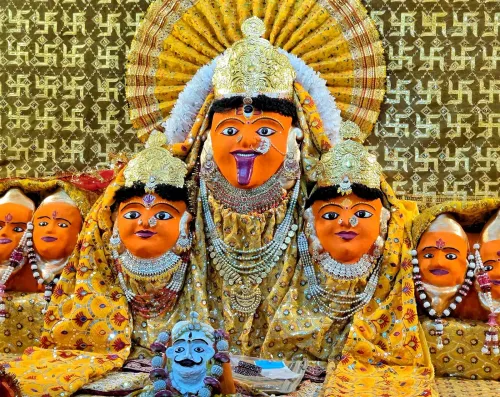
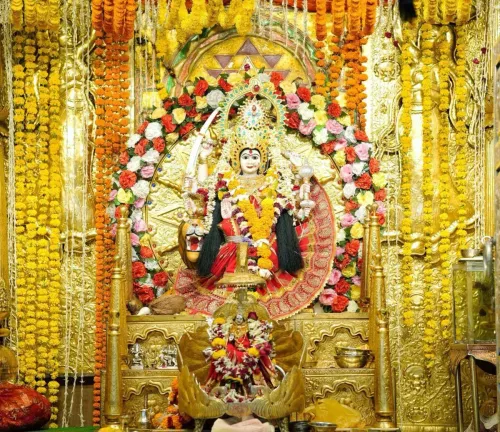
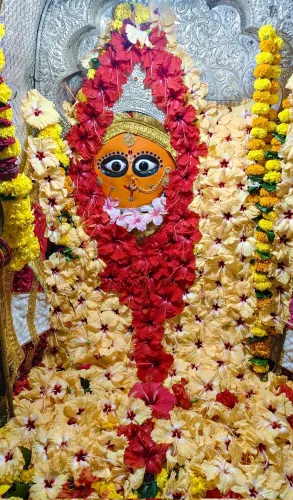
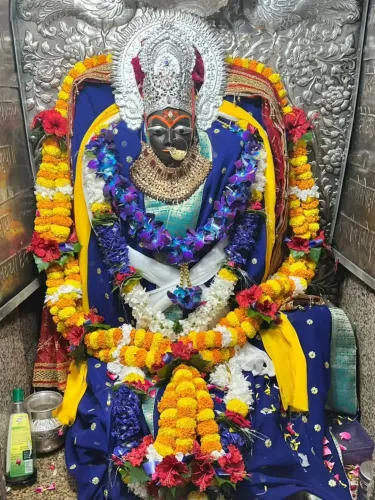
The post, accompanied by an image, reflects the Chief Minister's practice of publicly invoking the state's revered religious sites in official social media communications.
Policy Backdrop
The Maihar Sharda Shakti Peeth, located in Satna district, Madhya Pradesh, is among India's 51 major Shakti Peeths and draws pilgrims from across the country. Maa Sharda is venerated as a form of the Divine Mother associated with knowledge and learning.
Successive governments in Madhya Pradesh have supported the upkeep of Shakti Peeths and promoted religious tourism as a strand of the state's cultural policy. Indian chief ministers routinely share devotional content on social media to mark religious occasions and to underscore their state's spiritual heritage, and Dr. Yadav, who assumed office in December 2023, has continued this tradition.
Stakeholders and Impact
The message is directed at the people of Madhya Pradesh, particularly the large community of Hindu devotees who hold the Maihar temple in reverence. By publicly invoking the goddess's blessings for the entire state, the Chief Minister frames the gesture as one of collective well-being rather than personal piety.
Religious tourism around major Shakti Peeths also carries economic significance for local communities in towns such as Maihar, where temple footfall sustains livelihoods in hospitality, transport, and the informal economy of pilgrimage services.
What's Next
State government communications around major festivals — particularly Navratri and Sharad Purnima — are likely to feature further references to temple development and pilgrim facilities at sites like Maihar. Any announcements regarding infrastructure upgrades or tourism promotion linked to the state's Shakti Peeths would represent the policy translation of the cultural messaging Dr. Yadav regularly amplifies on social media.
Point of View
Particularly in states with prominent pilgrimage economies. By addressing all 'pradeshwasis' (state residents) through a Sanskrit shloka and a Hindi prayer, the communication simultaneously signals personal devotion and a paternalistic concern for collective welfare. Madhya Pradesh, home to multiple Shakti Peeths, has long positioned religious tourism as both a cultural and economic asset, and such posts reinforce that narrative without requiring any new policy announcement. The gesture is low-risk and high-resonance in a state where temple-linked identity carries consistent electoral salience.
NationPress
2 Jul 2026
Frequently Asked Questions
What is the Maihar Sharda Shakti Peeth?
The Maihar Sharda Shakti Peeth is a major Hindu temple in Maihar town, Satna district, Madhya Pradesh, dedicated to Goddess Sharda. It is one of India's 51 principal Shakti Peeths and draws pilgrims from across the country.
Who is Dr. Mohan Yadav?
Dr. Mohan Yadav is the Chief Minister of Madhya Pradesh and a senior BJP leader who assumed office in December 2023.
What did CM Mohan Yadav post about Maa Sharda?
On 2 July 2026, CM Mohan Yadav shared a Sanskrit shloka invoking Maa Sharda and offered a prayer seeking happiness, peace, prosperity, and good health for all residents of Madhya Pradesh through the goddess's blessings at the Maihar Shakti Peeth.
What does the Sanskrit shloka in Mohan Yadav's post mean?
The shloka — 'Sharda Sharadambhoja Vadana, Vadanambuje. Sarvada Sarvadasmakam Sannidhim Sannidhim Kriyat' — translates broadly as a prayer for Goddess Sharda, whose face is likened to an autumn lotus, to always remain present and close to all devotees.
Why do Madhya Pradesh chief ministers often post about Shakti Peeths?
Madhya Pradesh is home to several of India's 51 Shakti Peeths, and successive state governments have promoted religious tourism and temple heritage as part of cultural policy. Chief ministers frequently reference these sites on social media to connect with devotees and reinforce the state's spiritual identity.