CM Mohan Yadav Launches ₹1,211 Cr Projects in Ujjain for Simhastha-2028
Synopsis
Madhya Pradesh CM Dr. Mohan Yadav broke ground on ₹1,211.34 crore of permanent infrastructure in Ujjain on November 10, 2026, and disbursed ₹37.93 crore to 53 farmers as land compensation, anchoring the state's preparations for Simhastha-2028 and cleaner Shipra River waters.
Key Takeaways
₹1,211.34 crore in development works were given the foundation-stone ceremony in Ujjain by CM Dr.
Mohan Yadav on November 10, 2026 .
53 farmers received ₹37.93 crore in land-acquisition compensation for Simhastha-related construction.
Permanent paved roads, drinking-water pipelines and sewer lines will be built across the Simhastha zone.
A dedicated pedestrian walkway above the ghats will be constructed to ease pilgrim movement.
A sewer line from Triveni to Siddhavat will intercept waste to protect the Shipra River .
All works are targeted at improving facilities for sadhus and pilgrims at Simhastha-2028 .
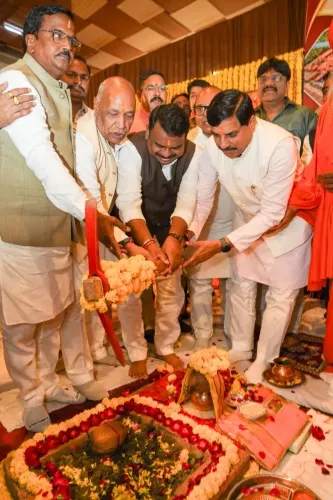
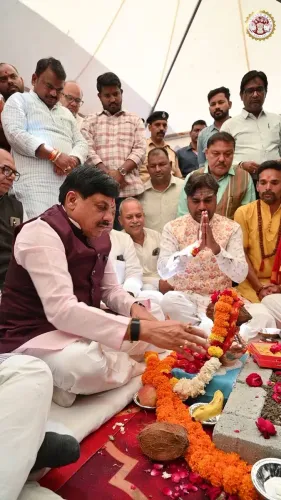
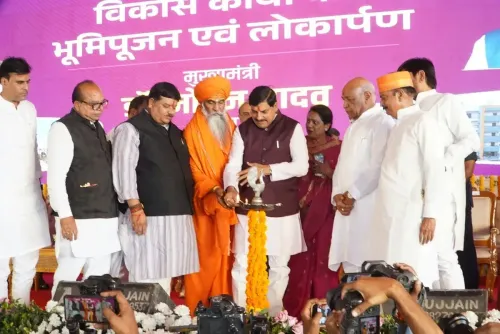
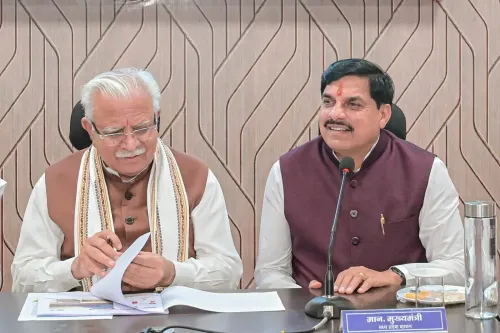
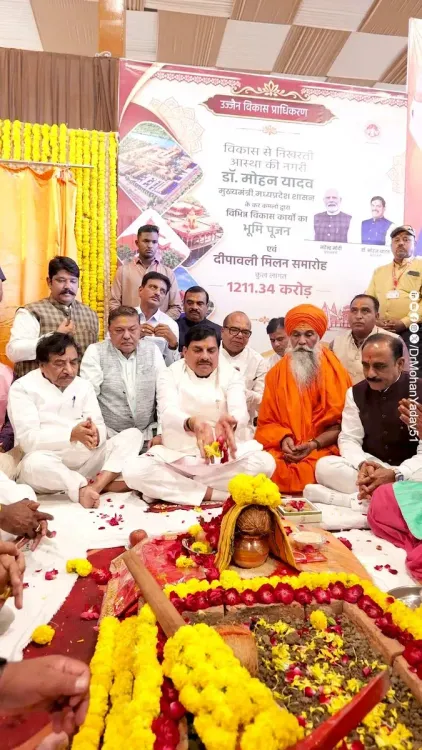
Ujjain is getting a head start on history. Madhya Pradesh Chief Minister Dr. Mohan Yadav on Tuesday, November 10, 2026, attended a Deepawali Milan Samaroh (Diwali meeting ceremony) in Ujjain and laid the foundation stone for development works worth ₹1,211.34 crore — a major infrastructure push aimed squarely at readying the ancient pilgrimage city for Simhastha-2028.
₹37.93 Crore Handed to 53 Farmers as Land Compensation
Before a single brick is laid, the state addressed an older debt. At the ceremony, 53 farmers whose land was acquired for Simhastha-related construction received compensation cheques totalling ₹37.93 crore. The payout signals that the government is moving to close out pending acquisition dues before the main project tenders are floated — a sequencing that has historically reduced local opposition to large infrastructure rollouts.
Permanent Roads, Sewer Lines and a New Pilgrim Walkway
The announced works go well beyond temporary event infrastructure. Permanent paved roads, drinking-water pipelines and sewer lines are planned across the Simhastha zone, replacing the patchwork of seasonal arrangements that characterise most Kumbh-era upgrades. A dedicated pedestrian pathway will be constructed above the ghats to ease the crush of pilgrims during the mela.
The most consequential environmental commitment is a sewer line running from Triveni to Siddhavat, designed to intercept untreated waste before it reaches the Shipra River. Dr. Yadav stated that this measure will keep the Shipra's waters clean — a goal that has eluded previous administrations and carries deep spiritual significance for devotees who bathe in the river during Simhastha.
Simhastha-2028 and the Lessons of 2016
The 2016 Simhastha Kumbh Mela in Ujjain drew millions of pilgrims and exposed gaps in the city's civic backbone — inadequate drainage, overwhelmed roads and ghat access bottlenecks. The current government is using the 12-year gap between Simhastha cycles to build permanent assets rather than temporary fixes, integrating the mela preparation into Ujjain's long-term urban development plan.
Dr. Yadav explicitly framed the work within a wider vision: 'Tier-2 shahron ke saath dharmik nagri Ujjain ka bhi tezi se vikas ho raha hai' ('Along with tier-2 cities, the religious city of Ujjain is also developing rapidly'), adding that his government treats infrastructure development as its 'highest priority.' The projects, once completed, will serve residents and pilgrims alike long after the 2028 mela ends.
Sacred River, Secular Deadline
The Shipra sewer project echoes the logic of national river-cleaning programmes: treat the waterway as infrastructure, not just heritage. With Simhastha-2028 now less than two years away, the clock on tendering, land clearance and construction is tight. The compensation disbursal to farmers on the same day as the foundation-stone ceremony suggests the state is trying to compress the timeline — paying out and breaking ground in a single political moment.
For sadhus, saints and the tens of millions of pilgrims expected to converge on Ujjain in 2028, the question is straightforward: will the roads hold, will the water run clean, and will the ghats be passable? The government has now put a number — ₹1,211.34 crore — on its answer.
Point of View
Making future accountability harder to dodge. The same-day payout to farmers is strategically timed — it neutralises a potential land-dispute narrative before it can take hold. Madhya Pradesh's deliberate pivot to permanent civic assets, rather than temporary mela infrastructure, reflects a maturing playbook: convert a religious calendar event into a durable urban upgrade that benefits residents year-round. The Shipra sewer commitment is the most politically and ecologically significant element, because river cleanliness has become a bellwether for how seriously any government takes both faith and environment.
NationPress
10 Nov 2026
Frequently Asked Questions
What is Simhastha-2028 in Ujjain?
Simhastha, also known as the Kumbh Mela of Ujjain, is a massive pilgrimage held every 12 years on the banks of the Shipra River. The next edition is due in 2028 and is expected to attract tens of millions of sadhus, saints and devotees.
What projects were launched in Ujjain by CM Mohan Yadav on November 10, 2026?
CM Dr. Mohan Yadav laid the foundation stone for development works worth ₹1,211.34 crore, covering permanent roads, drinking-water lines, sewer infrastructure, a pilgrim walkway above the ghats, and a sewer line from Triveni to Siddhavat to protect the Shipra River.
How much compensation did farmers receive for Simhastha land acquisition?
A total of 53 farmers received ₹37.93 crore as compensation for land acquired for Simhastha-related construction works in and around Ujjain.
Why is the Triveni to Siddhavat sewer line important?
The sewer line running from Triveni to Siddhavat is designed to prevent untreated sewage from reaching the Shipra River, keeping the sacred waterway clean for the millions of pilgrims who bathe in it during Simhastha.
Is Ujjain part of Madhya Pradesh's tier-2 city development plan?
Yes. CM Dr. Mohan Yadav stated that Ujjain is being developed rapidly alongside other tier-2 cities in Madhya Pradesh, with infrastructure development cited as the government's highest priority.