CM Mohan Yadav marks Birsa Munda Jayanti as a national pledge
Synopsis
On Janjatiya Gaurav Diwas, Madhya Pradesh CM Dr. Mohan Yadav described Birsa Munda's birth anniversary as a national resolve to reconnect with tribal roots and improve Adivasi lives — not a mere formality.
Key Takeaways
Mohan Yadav posted on 15 November 2026 , coinciding with Janjatiya Gaurav Diwas and Birsa Munda's birth anniversary.
Birsa Munda was born on 15 November 1875 and led the tribal Ulgulan uprising against British colonial rule in the Chota Nagpur region.
The Government of India declared 15 November as Janjatiya Gaurav Diwas in 2021 to honour tribal contributions to the freedom struggle.
Madhya Pradesh has one of India's largest Scheduled Tribe populations, including Gond , Bhil and Baiga communities.
Yadav framed the occasion as a 'national resolve' — not a formal event — and closed with the Adivasi salutation 'Jai Johar' .
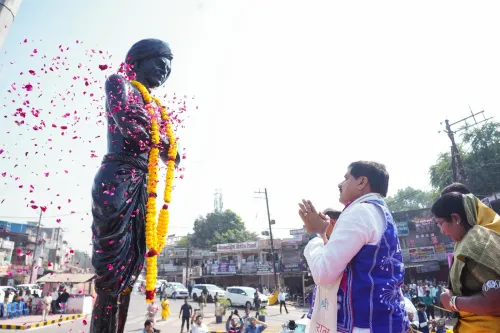
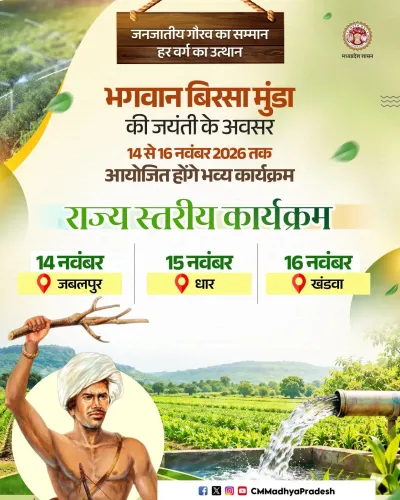
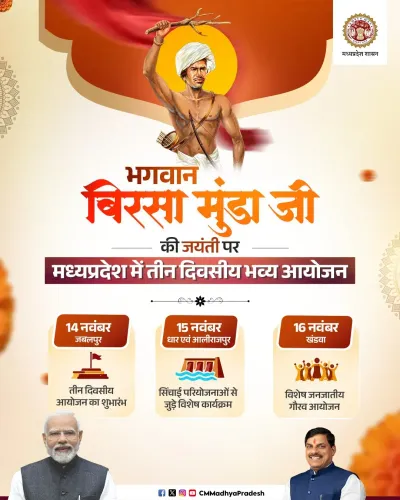
On Janjatiya Gaurav Diwas, 15 November 2026, Madhya Pradesh Chief Minister Dr. Mohan Yadav framed the birth anniversary of Bhagwan Birsa Munda not as a ceremonial calendar event but as a living national commitment — a moment to reconnect with India's tribal roots and pledge a better life for its Adivasi communities.
In a post on X, Dr. Yadav wrote: 'हमारे लिए भगवान बिरसा मुंडा जी की जयंती मनाना केवल एक औपचारिक आयोजन नहीं, बल्कि अपनी जड़ों से जुड़ने और जनजातीय भाइयों-बहनों के जीवन को बेहतर बनाने का एक राष्ट्रीय संकल्प है।' — 'For us, celebrating the birth anniversary of Bhagwan Birsa Munda is not merely a formal event, but a national resolve to connect with our roots and improve the lives of our tribal brothers and sisters. Jai Hind! Jai Madhya Pradesh! Jai Johar!'
Who was Bhagwan Birsa Munda — and why the reverence
Birsa Munda, born on 15 November 1875 in the Chota Nagpur region of present-day Jharkhand, led the Ulgulan — the Great Tumult — against British colonial land dispossession and exploitation of Munda tribal communities. He died in British custody in 1900, aged just twenty-five. Revered as Bhagwan (God) by Adivasi communities across the subcontinent, he remains one of the most potent symbols of indigenous resistance and dignity in Indian history.
Janjatiya Gaurav Diwas — the day India formalised the tribute
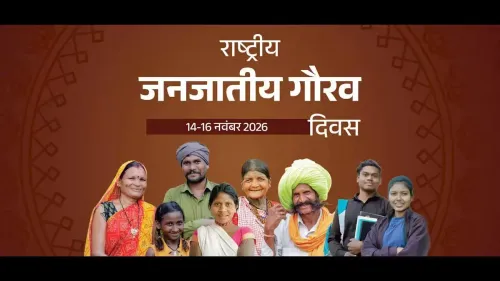
In 2021, the Government of India declared 15 November as Janjatiya Gaurav Diwas — Tribal Pride Day — to honour not only Birsa Munda's legacy but the broader contribution of tribal freedom fighters to India's independence movement. The date anchors an annual week of events across tribal-majority states. Madhya Pradesh, home to one of India's largest Scheduled Tribe populations — including the Gond, Bhil and Baiga communities — has been a consistent and prominent participant in these observances.
MP's tribal stake — and the weight behind the words
Madhya Pradesh carries particular resonance on this day. The state's vast tribal belt, stretching across its eastern and southern districts, represents millions of Adivasi citizens whose welfare sits squarely on the state government's agenda. Dr. Yadav's closing salutation — 'Jai Johar' — is itself a traditional Adivasi greeting of respect, a deliberate cultural signal that the tribute goes beyond official ceremony.
The sentiment fits a broader pattern: symbolic recognition of tribal icons, when paired with concrete delivery on education, health, and livelihood in tribal districts, is the benchmark by which such pledges are ultimately measured. The week of Janjatiya Gaurav Diwas is traditionally when state governments announce or review programmes targeted at Scheduled Tribe communities — the real test of the resolve Dr. Yadav has articulated today.
Point of View
The optics of Janjatiya Gaurav Diwas serve a dual purpose: cultural alignment with Adivasi identity and political signalling to a substantial electoral constituency. The use of 'Jai Johar' — an indigenous greeting — adds an authenticity layer that goes beyond standard political tribute. Whether this language translates into measurable welfare outcomes in MP's tribal districts will define its ultimate political and policy weight.
NationPress
15 Nov 2026
Frequently Asked Questions
Why is 15 November celebrated as Janjatiya Gaurav Diwas?
15 November is celebrated as Janjatiya Gaurav Diwas because it marks the birth anniversary of Bhagwan Birsa Munda , the revered tribal leader and freedom fighter born in 1875 . The Government of India officially declared the day in 2021 to honour tribal contributions to India's independence movement.
Who was Birsa Munda and why is he called Bhagwan?
Birsa Munda was a 19th-century tribal leader from the Chota Nagpur region who led the Ulgulan uprising against British colonial land exploitation. He is revered as Bhagwan (God) by Adivasi communities across India for his sacrifice and resistance on behalf of indigenous peoples.
What did CM Mohan Yadav say on Birsa Munda Jayanti 2026?
CM Dr. Mohan Yadav said that celebrating Birsa Munda Jayanti is not a mere formal event but a 'national resolve to connect with our roots and improve the lives of tribal brothers and sisters.' He closed with the salutations 'Jai Hind, Jai Madhya Pradesh, Jai Johar.'
Which tribal communities live in Madhya Pradesh?
Madhya Pradesh is home to one of India's largest Scheduled Tribe populations, including the Gond , Bhil and Baiga communities, spread across the state's eastern and southern tribal belt districts.
What does 'Jai Johar' mean?
'Jai Johar' is a traditional greeting of respect and solidarity used by Adivasi communities across central and eastern India. It carries cultural and spiritual significance among tribal groups and is widely used to express pride in indigenous identity.