CM Dhami Greets Jharkhand on Its 26th Foundation Day
Synopsis
Uttarakhand CM Pushkar Singh Dhami marked Jharkhand's 26th Foundation Day on 15 November 2026, honouring the state's tribal legacy, mineral wealth, and the memory of freedom fighter Birsa Munda, whose birth anniversary the date also commemorates.
Key Takeaways
Jharkhand Foundation Day falls on 15 November every year — the same date as Birsa Munda's birth anniversary.
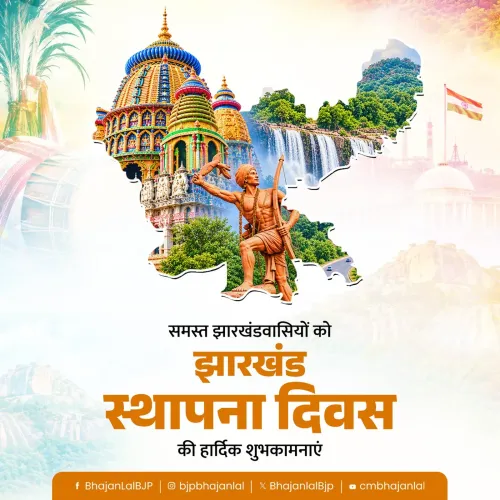
Jharkhand was formed on 15 November 2000 as India's 28th state under the Bihar Reorganisation Act.
CM Dhami's message specifically named Birsa Munda , tribal culture, natural beauty, and mineral wealth as pillars of Jharkhand's identity.
The Union government designated 15 November as 'Janjatiya Gaurav Divas' (Tribal Pride Day) in honour of Birsa Munda's legacy.
Cross-state Foundation Day greetings from chief ministers reflect a broader pattern of acknowledging shared national heritage and tribal icons in official discourse.
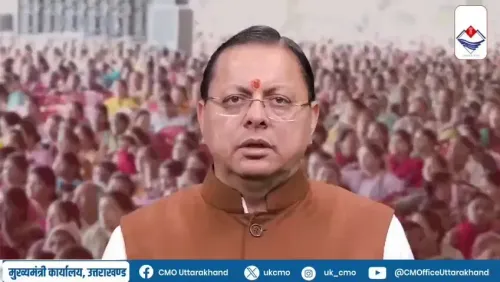
Twenty-six years after a decades-long tribal autonomy movement finally carved a new state out of southern Bihar, Uttarakhand Chief Minister Pushkar Singh Dhami marked Jharkhand Foundation Day on 15 November 2026 with a heartfelt message honouring the state's heritage and its people.
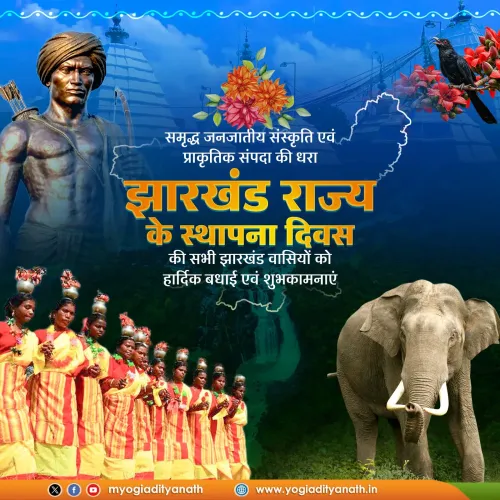
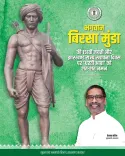
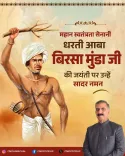
Posting in Hindi on X, CM Dhami extended warm congratulations to all residents of Jharkhand, calling it the land of 'great leaders like Birsa Munda' and celebrating its natural beauty, rich tribal culture, glorious traditions, and vast mineral wealth. 'झारखंड निरंतर प्रगति, समृद्धि और खुशहाली के नए आयाम स्थापित करता रहे' — 'May Jharkhand continue to establish new dimensions of progress, prosperity, and happiness' — he wrote, in a prayer-toned closing that set the register of the message.
Birsa Munda and the Date That Defined a State
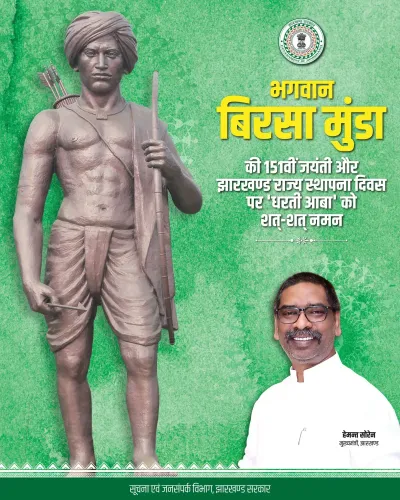
Jharkhand came into existence on 15 November 2000 under the Bihar Reorganisation Act, becoming India's 28th state. The date was chosen deliberately — it is also the birth anniversary of Birsa Munda, the 19th-century tribal leader and freedom fighter who led the Ulgulan ('Great Tumult') revolt against colonial forest laws and became an enduring symbol of Adivasi assertion. Anchoring the state's birthday to his legacy was not mere symbolism; it was a founding statement about whose history Jharkhand was created to honour.
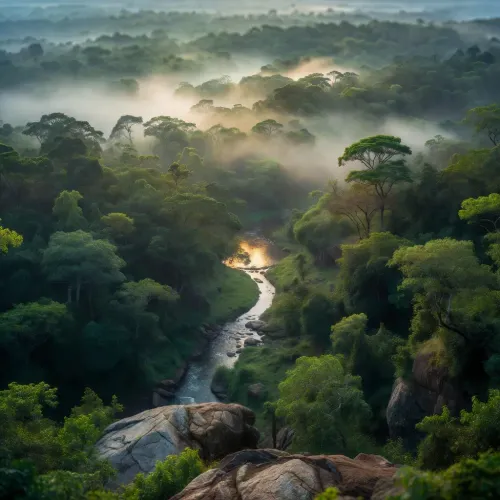
The state sits atop one of India's richest mineral belts — coal, iron ore, copper, mica — and is home to a substantial tribal population whose cultural identity, land rights, and welfare have remained at the centre of Jharkhand's political conversation since day one.
A Routine Courtesy With a Consistent Political Signal
Cross-state Foundation Day greetings are a staple of Indian political communication, but the specific vocabulary CM Dhami chose — Birsa Munda by name, tribal culture, natural heritage — mirrors a broader national pattern in which tribal icons are increasingly foregrounded in official discourse. The Union government designated 15 November as 'Janjatiya Gaurav Divas' (Tribal Pride Day) in recognition of Birsa Munda's legacy, giving the date a pan-India resonance that goes well beyond Jharkhand's own anniversary observances.
For a BJP chief minister extending greetings, invoking that vocabulary is both culturally authentic and politically coherent — a signal of solidarity with Adivasi communities at a moment when tribal welfare and forest-rights policy remain live debates across mineral-rich states.
Point of View
Giving every ruling-party leader a stage to signal tribal solidarity. For Jharkhand, a state where tribal welfare, forest rights, and mining policy are perennially contested, the vocabulary of Foundation Day greetings carries more political weight than it might elsewhere.
NationPress
15 Nov 2026
Frequently Asked Questions
When was Jharkhand formed and why on November 15?
Jharkhand was established on 15 November 2000 as India's 28th state. The date was chosen to coincide with the birth anniversary of tribal freedom fighter Birsa Munda , honouring his central role in the region's history and the long struggle for tribal autonomy.
Who is Birsa Munda and why is he important to Jharkhand?
Birsa Munda was a 19th-century tribal leader and freedom fighter who led the 'Ulgulan' (Great Tumult) revolt against colonial forest laws. He is the defining symbol of Adivasi identity in the region and is recognised nationally as a hero of India's independence movement.
What is Janjatiya Gaurav Divas?
Janjatiya Gaurav Divas (Tribal Pride Day) is observed on 15 November every year after the Union government designated the date in honour of Birsa Munda's legacy, giving the occasion a pan-India significance beyond Jharkhand's own Foundation Day.
Why did Uttarakhand CM Dhami post about Jharkhand Foundation Day?
Chief ministers across India routinely extend public greetings on other states' formation days as a gesture of national solidarity. CM Dhami's post also highlighted Jharkhand's tribal heritage and Birsa Munda's legacy, reflecting broader political emphasis on Adivasi icons.
What is Jharkhand known for?
Jharkhand is known for its large tribal population, rich natural beauty, and vast mineral resources including coal, iron ore, copper, and mica, making it one of India's most mineral-rich states.