PM Modi Greets Jharkhand on Its 26th Foundation Day
Synopsis
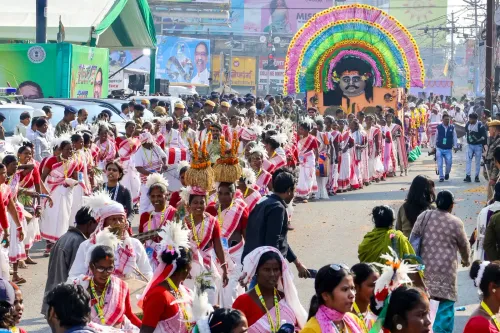
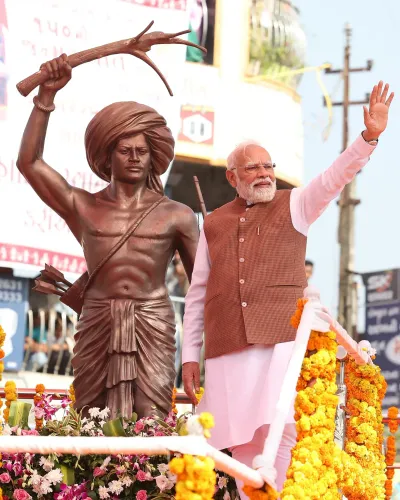
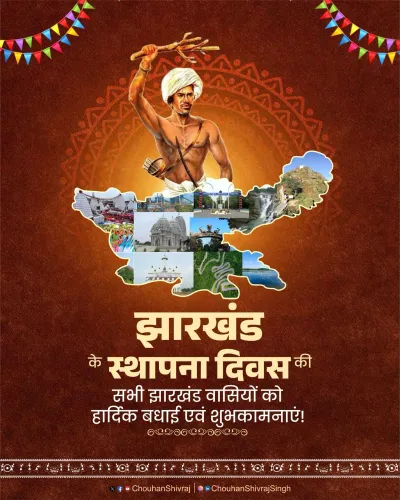
Prime Minister Narendra Modi on 15 November 2026 greeted Jharkhand on its 26th Foundation Day, celebrating the state's tribal heritage, natural wealth, and the enduring legacy of Birsa Munda, whose birth anniversary coincides with the state's formation date.
Key Takeaways
Jharkhand marks its 26th Foundation Day on 15 November 2026 , formed on the same date in 2000 under the Bihar Reorganisation Act.
PM Modi's message highlighted the state as a 'unique confluence of tribal pride, cultural diversity, and natural wealth.' Birsa Munda , the 19th-century tribal leader who led the Ulgulan uprising against British land policies, is central to Jharkhand's identity and Foundation Day symbolism.
15 November was deliberately chosen as the state's formation date because it is Birsa Munda's birth anniversary.
Modi pointed to Jharkhand's potential in minerals, energy, handicrafts, and tourism without announcing any new central scheme.
The message follows a consistent pattern of the Prime Minister issuing identity-affirming greetings on state formation anniversaries.
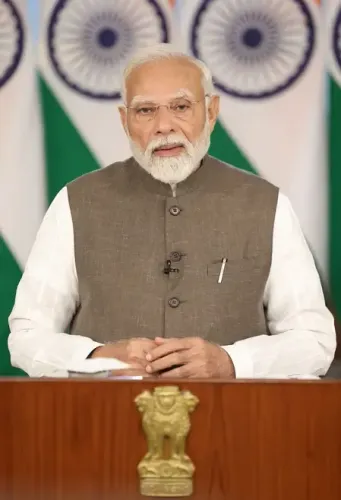
Twenty-six years after it was carved out of southern Bihar, Jharkhand marks its Foundation Day on 15 November 2026 — and Prime Minister Narendra Modi opened the morning with warm wishes for every resident of the state, invoking tribal heritage, natural wealth, and the enduring inspiration of a 19th-century freedom fighter.
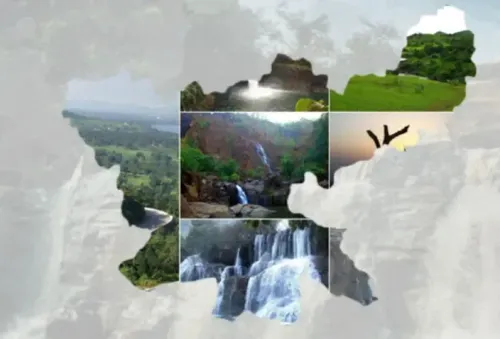
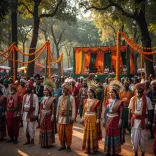
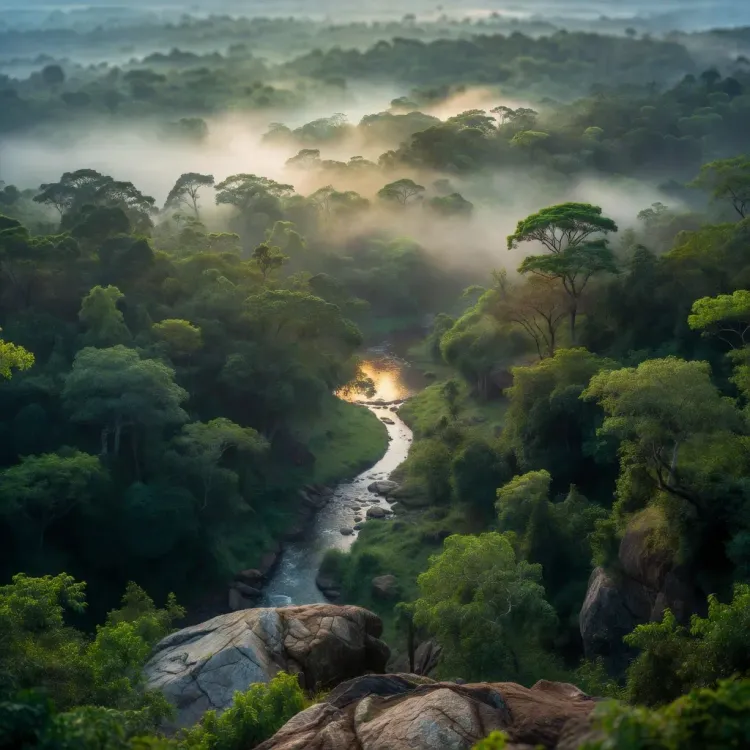
In a message posted in Hindi on X, the Prime Minister described Jharkhand as 'janjatiya gaurav, sanskritik vividhata aur prakritik sampada ka anootha sangam' — 'a unique confluence of tribal pride, cultural diversity, and natural wealth.' He highlighted the state's dense forests, scenic waterfalls, and historic sites as markers of a distinct identity, while pointing to its mineral, energy, handicraft, and tourism potential as engines of future growth.
Birsa Munda's legacy at the heart of the tribute
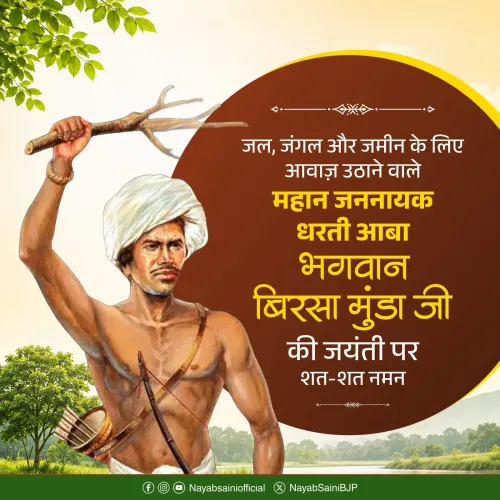
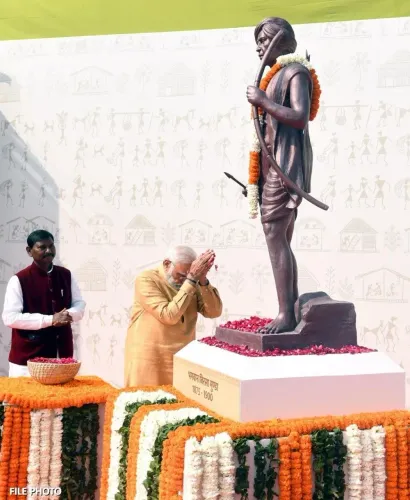
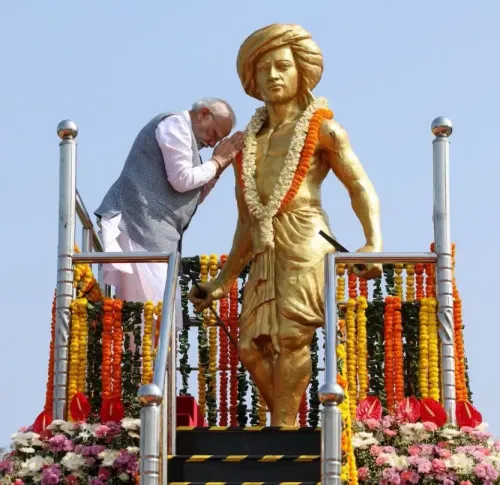
At the centre of Modi's message stood Bhagwan Birsa Munda, the tribal hero whose memory remains inseparable from Jharkhand's identity. Born in the Chota Nagpur plateau in the late 19th century, Birsa Munda led the Ulgulan — the 'Great Tumult' — a grassroots uprising against British land-alienation policies that dispossessed indigenous Munda communities. He died in British custody in 1900, aged roughly 25, but his defiance became the moral bedrock on which Jharkhand's demand for statehood was eventually built.
Modi wrote that the traditions of the state draw 'continuous inspiration from the tales of valour and sacrifice of Bhagwan Birsa Munda.' The framing reflects a broader pattern in which the Centre has sought to deepen the symbolic connection between national identity and tribal heritage — 15 November, Birsa Munda's birth anniversary, was chosen precisely as Jharkhand's formation date in 2000, a deliberate alignment that the Prime Minister's message reinforces every year.
From Bihar's southern districts to India's mineral heartland
Jharkhand was formally constituted on 15 November 2000 under the Bihar Reorganisation Act, separating 18 districts of southern Bihar into a new state after decades of agitation by tribal and regional movements. The region sits atop some of the country's richest mineral deposits — coal, iron ore, copper, and bauxite — making it a critical node in India's industrial supply chain even as large sections of its population remain among the country's most economically marginalised.
Modi's message acknowledged this duality without announcing any new scheme, expressing confidence that the state's 'hardworking and talented' people would carry it to 'new heights of development.' The sentiment is consistent with the Prime Minister's routine recognition of statehood anniversaries — warm, identity-affirming, and deliberately inclusive of the state's economic promise without committing to specific policy action.
A state still writing its story
At 26, Jharkhand remains one of India's younger states, still navigating the tension between resource extraction and equitable development for its large tribal population. The Prime Minister closed his message with a wish that this 'special occasion brings happiness, prosperity, and well-being into the lives of all its people' — a line that lands both as a ceremonial grace note and as an implicit acknowledgement of how much ground the state still has to cover.
Jharkhand's foundation day is an annual reminder that statehood was itself a hard-won prize. The question now is what the next 26 years will make of it.
Point of View
Whom the Centre elevated to 'Bhagwan' status in official discourse and honoured with a national museum, signals a continued effort to associate the ruling dispensation with the symbols of tribal pride. The message makes no policy commitment, keeping it in the realm of ceremonial goodwill, but the consistent framing of Jharkhand's mineral and tourism potential keeps a development narrative quietly alive.
NationPress
15 Nov 2026
Frequently Asked Questions
When was Jharkhand formed and why?
Jharkhand was formed on 15 November 2000 when the Bihar Reorganisation Act carved out 18 districts of southern Bihar into a separate state, fulfilling decades of demands by tribal and regional movements for a distinct identity and self-governance.
Why is 15 November significant for Jharkhand?
15 November is the birth anniversary of tribal hero Birsa Munda , and the date was chosen deliberately as Jharkhand's formation date to honour his legacy and the tribal identity at the heart of the state's creation.
Who was Birsa Munda?
Birsa Munda was a late-19th-century tribal leader from the Chota Nagpur plateau who led the Ulgulan uprising against British land-alienation policies. He died in British custody in 1900 and is widely revered as a symbol of tribal resistance and pride.
What did PM Modi say on Jharkhand Foundation Day 2026?
PM Modi described Jharkhand as a 'unique confluence of tribal pride, cultural diversity, and natural wealth,' paid tribute to Birsa Munda's valour, and expressed confidence that the state's people would take it to new heights of development.
What are Jharkhand's key economic strengths?
Jharkhand sits atop some of India's richest mineral deposits — including coal, iron ore, copper, and bauxite — and also has significant potential in energy, handicrafts, and tourism , anchored by its dense forests and scenic landscapes.