Jharkhand Pavilion Opens at IITF 2026 in Delhi
Synopsis
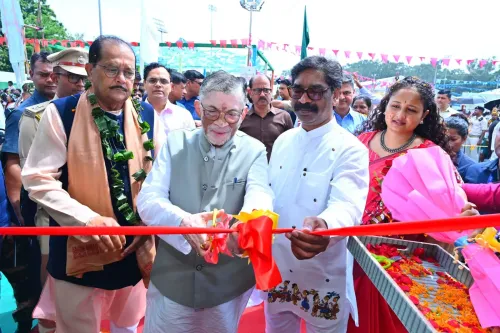
The Chief Minister's Office of Jharkhand inaugurated the state's pavilion at IITF 2026 in New Delhi on 15 November, invoking freedom fighters Birsa Munda and Sidho-Kanhu while putting the Palash Brand and state achievements before a national audience.
Key Takeaways
Jharkhand's pavilion at the India International Trade Fair (IITF) 2026 was inaugurated in New Delhi on 15 November 2026 .
The inauguration opened with homage to tribal icons Bhagwan Birsa Munda and martyrs Sidho-Kanhu , framing commerce within Jharkhand's heritage of resistance.
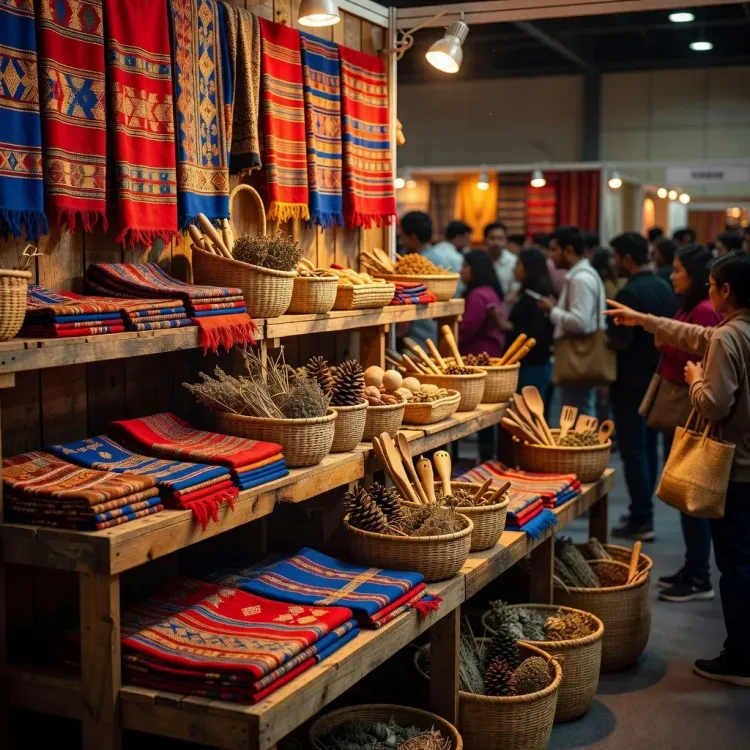
The Palash Brand — the state's umbrella identity for tribal handicrafts and forest produce — is the centrepiece of the pavilion's showcase.
IITF is organised by the India Trade Promotion Organisation (ITPO) at Pragati Maidan, Delhi, drawing national and international trade audiences.
Jharkhand State Livelihood Promotion Society (JSLPS) is institutionally involved, indicating self-help group enterprise is part of the display.
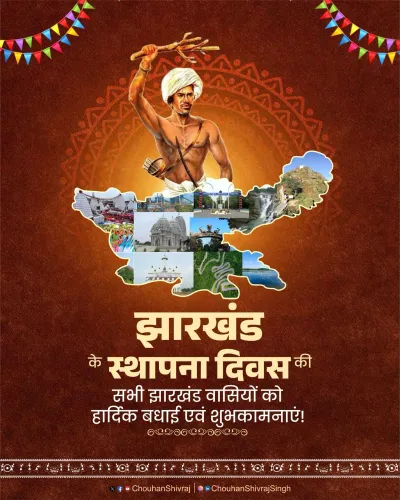
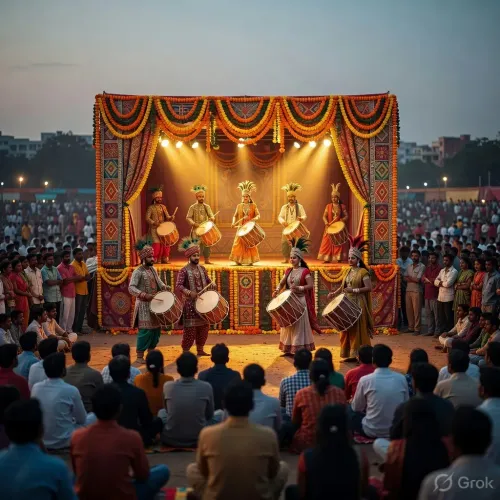
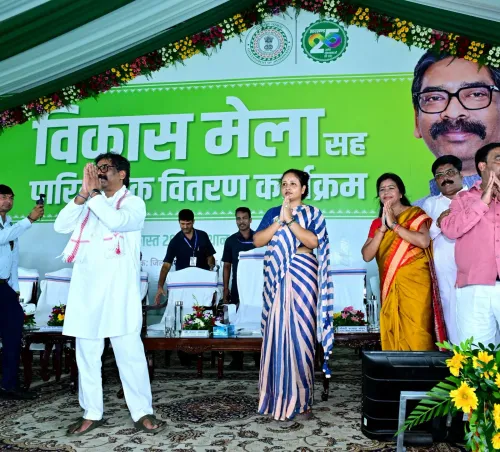
Invoking the legacies of two of Jharkhand's most revered freedom fighters, the state's pavilion at the India International Trade Fair (IITF) 2026 was inaugurated in New Delhi on Sunday, 15 November 2026 — bringing tribal heritage, local enterprise, and the 'Palash Brand' to one of the country's largest national trade platforms.
The Chief Minister's Office of Jharkhand announced the opening, noting that the pavilion pays homage to Bhagwan Birsa Munda and martyrs Sidho-Kanhu before showcasing the state's achievements. The gesture is deliberate: in a state where tribal identity is both political and cultural bedrock, grounding a commerce event in the memory of resistance movements signals who this platform is ultimately meant to serve — Jharkhand's artisans and tribal entrepreneurs.
Who Birsa Munda and Sidho-Kanhu Were — and Why They Frame This
Bhagwan Birsa Munda led the Ulgulan (Great Tumult) movement in the late 19th century against British colonial rule, becoming the defining icon of tribal assertion in the region. Sidho and Kanhu Murmu led the Santhal Rebellion of 1855-56, rising against exploitative land policies and moneylenders. Beginning a trade fair inauguration with their invocation is not ceremonial filler — it frames Jharkhand's economic participation as continuous with a longer fight for self-determination.
The Palash Brand on a National Stage
Central to the pavilion is the Palash Brand, a Jharkhand government initiative that consolidates tribal handicrafts, forest produce, and local goods under a single marketable identity. The IITF, organised annually by the India Trade Promotion Organisation (ITPO) at Pragati Maidan, New Delhi, draws buyers, policymakers, and trade delegations from across the country and abroad — making it a high-visibility launchpad for state branding.
State governments have long used IITF stalls as a soft-power exercise, blending investment pitches with cultural showcases. Jharkhand's consistent thread has been its mineral wealth and tribal heritage. The Palash Brand attempts to convert that heritage into a durable commercial identity — giving tribal produce a logo, a story, and a shelf presence that can outlast a fortnight-long fair.
What the Pavilion Signals for Jharkhand's Artisans
For the craftspeople and forest-produce collectors whose livelihoods the Palash Brand is designed to support, national exposure at IITF can mean wholesale buyer contacts, media coverage, and the kind of visibility that feeds into e-commerce listings and export conversations. The state's CMO tagged ITPO and JSLPS (Jharkhand State Livelihood Promotion Society) in the post — the latter being the nodal body that channels self-help group enterprise in the state, suggesting institutional backing rather than a symbolic display.
Whether the pavilion converts footfall into orders will determine whether this is a milestone or a marquee. Jharkhand's tribal economy has the raw material; the Palash Brand is the bet that packaging and national reach can close the gap.
Point of View
The CMO ties economic messaging to tribal political sentiment — a calculation that plays well both at home and before a Delhi audience attentive to tribal welfare narratives. The Palash Brand's durability, however, will ultimately be tested in market uptake, not trade-fair footfall. If JSLPS-linked self-help groups secure wholesale or export orders from this exposure, the pavilion becomes a policy delivery point; if not, it risks being another ceremonial display.
NationPress
15 Nov 2026
Frequently Asked Questions
What is the Palash Brand from Jharkhand?
The Palash Brand is a Jharkhand government initiative that markets tribal handicrafts, forest produce, and local products under a unified state identity to give artisans wider commercial reach.
What is IITF and where is it held?
The India International Trade Fair (IITF) is an annual trade fair organised by the India Trade Promotion Organisation (ITPO) at Pragati Maidan in New Delhi, where states and companies showcase products and investment opportunities.
Who were Birsa Munda and Sidho-Kanhu?
Bhagwan Birsa Munda was a 19th-century tribal leader who led the Ulgulan movement against British colonial rule. Sidho and Kanhu Murmu led the Santhal Rebellion of 1855-56 against exploitative land policies — both are revered icons of Jharkhand's tribal identity.
When was the Jharkhand pavilion inaugurated at IITF 2026?
The Jharkhand pavilion at IITF 2026 was inaugurated on Sunday, 15 November 2026, in New Delhi.
What is JSLPS and what role does it play at the Jharkhand IITF pavilion?
The Jharkhand State Livelihood Promotion Society (JSLPS) is the nodal body for self-help group enterprise in Jharkhand. Its involvement in the IITF pavilion suggests that tribal self-help group products form part of the display alongside the Palash Brand.