CM Mohan Yadav: MP gave ₹5,500 cr subsidy to industries in 18 months
Synopsis
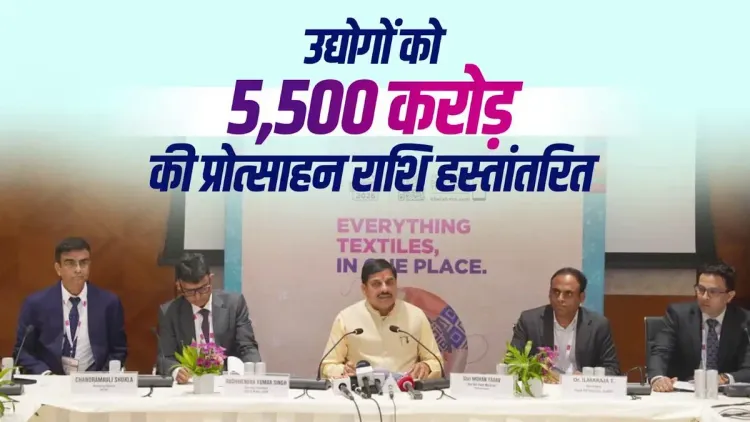
Chief Minister Dr. Mohan Yadav says Madhya Pradesh delivered nearly ₹5,500 crore in industrial subsidies over 18 months and now contributes roughly 47 per cent of India's organic cotton output, citing the figures at BharatTex 2026.
Key Takeaways
The Chief Minister's Office of Madhya Pradesh announced on 16 July 2026 that the state has provided nearly ₹5,500 crore in subsidies to industries over the past one and a half years .
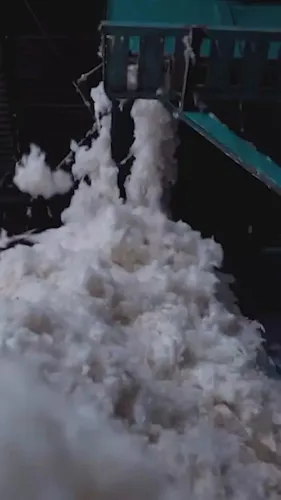
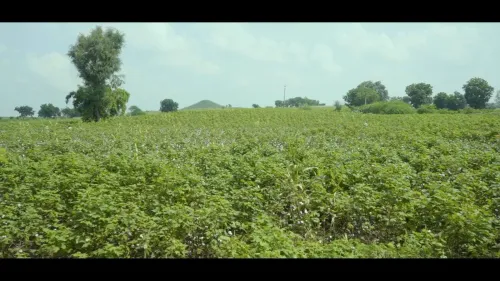
Madhya Pradesh claims to be the largest organic cotton producing state in India, contributing approximately 47 per cent of the country's total organic cotton output.
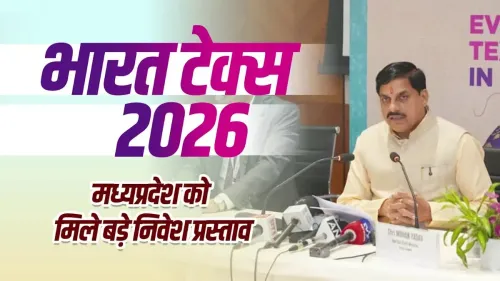
The announcement was made in the context of BharatTex 2026 , a national textile industry event, with the Ministry of Textiles and MPIDC tagged.
The subsidy framework is anchored in the Madhya Pradesh Industrial Promotion Policy 2022 and complements the central government's PLI Scheme for Textiles .
Key stakeholders include MSMEs , textile manufacturers, and cotton farmers supplying organic fibre into certified value chains.
Independent verification of the subsidy and organic cotton figures through official budget or MPIDC disclosures remains pending.
The Chief Minister's Office of Madhya Pradesh announced on Thursday, 16 July 2026, that the state government has disbursed nearly ₹5,500 crore in industrial subsidies over the past one and a half years, and that Madhya Pradesh now accounts for approximately 47 per cent of India's total organic cotton production.
Context
Chief Minister Dr. Mohan Yadav made the announcement in the context of BharatTex 2026, a national textile industry event, tagging the Ministry of Textiles and the Madhya Pradesh Industrial Development Corporation (MPIDC). His post, shared from the official Chief Minister's Office account, carried the assertion: 'Madhya Pradesh sarkar jo kehti hai, woh karke dikhati hai' ('The Madhya Pradesh government delivers on what it promises'). The statement positions the state's industrial subsidy record and organic cotton output as evidence of policy follow-through.
Policy Backdrop
The subsidy push is rooted in the Madhya Pradesh Industrial Promotion Policy 2022, which offered capital subsidies and incentives to manufacturing units to attract fresh investment into the state. At the national level, the Production Linked Incentive (PLI) Scheme for Textiles, announced by the Government of India in 2021, created a complementary framework for boosting domestic textile manufacturing capacity. Organic cotton cultivation in Madhya Pradesh has also benefited from central schemes such as the Paramparagat Krishi Vikas Yojana, which has supported organic farming clusters across states since 2015.
Indian states have increasingly deployed targeted subsidies to expand organised manufacturing and high-value agricultural segments. The alignment of state incentive structures with global demand for sustainable fibres has made organic cotton a competitive priority for several central Indian states, with Madhya Pradesh emerging as a prominent claimant to leadership in this segment.
Stakeholders and Impact
The primary beneficiaries of the ₹5,500 crore subsidy outflow include industrial units registered under state investment promotion frameworks, MSMEs in the textile and allied sectors, and cotton farmers who supply organic fibre into certified value chains. The MPIDC, as the state's nodal investment promotion agency, is the implementing body for subsidy disbursal. If the organic cotton share figure of 47 per cent of national production is borne out by independent certification data, it would represent a significant structural shift in India's agri-textile supply chain, with implications for export competitiveness in sustainable textile markets.
Textile manufacturers attending or tracking BharatTex 2026 are likely to view these claims as signals of the state's intent to position itself as a preferred destination for new investment, particularly in sustainable and organic fibre processing.
What's Next
The outcomes of BharatTex 2026 and any investment commitments made on the sidelines will be a key indicator of whether the state's subsidy-led positioning translates into fresh capital inflows. Independent verification of the 47 per cent organic cotton share and the cumulative subsidy figure through state budget disclosures or MPIDC annual reports will determine the credibility of these claims in investor and policy circles. Madhya Pradesh's next textile or industrial policy update is expected to elaborate on subsidy utilisation metrics and organic certification acreage, which will be closely watched by both domestic manufacturers and international buyers sourcing sustainable fibres from India.
Point of View
However, will ultimately rest on independently verifiable certification data and audited subsidy utilisation figures, which have yet to enter the public domain.
NationPress
16 Jul 2026
Frequently Asked Questions
How much subsidy has Madhya Pradesh given to industries in the last 1.5 years?
According to the Chief Minister's Office of Madhya Pradesh, the state government has provided nearly ₹5,500 crore in subsidies to industries over the past one and a half years, as stated by CM Dr. Mohan Yadav in July 2026.
Is Madhya Pradesh the largest organic cotton producer in India?
CM Dr. Mohan Yadav has claimed that Madhya Pradesh is currently India's largest organic cotton producing state, contributing approximately 47 per cent of the country's total organic cotton production. This figure has not yet been independently verified from established public records.
What is BharatTex 2026?
BharatTex 2026 is a national textile industry event organised in association with India's Ministry of Textiles , designed to showcase state and sector achievements and attract investment into the textile value chain.
What is MPIDC and what role does it play in MP's industrial subsidies?
The Madhya Pradesh Industrial Development Corporation (MPIDC) is the state's nodal agency for investment promotion and is responsible for implementing subsidy disbursal to industries under frameworks such as the Madhya Pradesh Industrial Promotion Policy 2022 .
What central government schemes support organic cotton farming in Madhya Pradesh?
Organic cotton farming in Madhya Pradesh has been supported by the central government's Paramparagat Krishi Vikas Yojana , which has funded organic farming clusters across Indian states since 2015 , alongside the National Mission on Sustainable Agriculture .