CM Mohan Yadav: MP Gets 972 e-Buses, 25,000-Bus Push Ahead
Synopsis
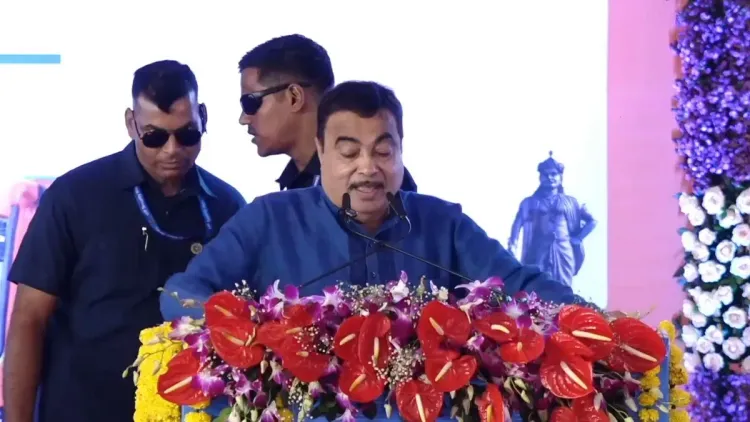
Madhya Pradesh CM Dr. Mohan Yadav, citing Union Minister Nitin Gadkari, announced 972 electric and AC buses sanctioned under PM e-Bus Sewa — with a 25,000-bus expansion planned as the next phase of the state's Mukhyamantri Sugam Parivahan Seva initiative.
Key Takeaways
972 electric and AC buses have been sanctioned for Madhya Pradesh under the PM e-Bus Sewa central scheme.
On the scheme's success, the state targets scaling up to 25,000 electric buses in a phased expansion.
The initiative is branded under the state's own Mukhyamantri Sugam Parivahan Seva programme.
Union Minister Nitin Gadkari was credited by CM Yadav as the central government driver behind the sanction.
The rollout is expected to generate new employment opportunities alongside improved urban mobility.
PM e-Bus Sewa was announced in Union Budget 2023-24, building on the earlier FAME India Phase II EV support framework.
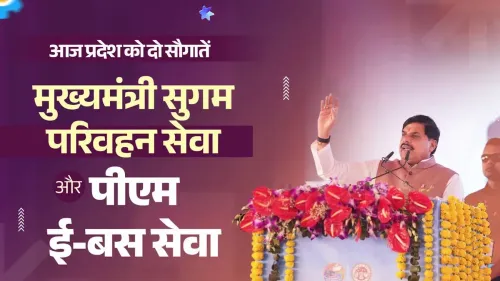
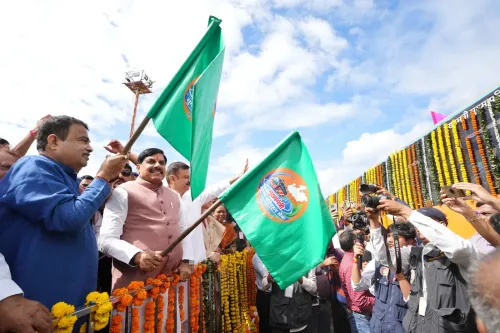
Clean, air-conditioned buses are rolling toward Madhya Pradesh — and Madhya Pradesh Chief Minister Dr. Mohan Yadav says this is only the beginning. On Friday, 25 September 2026, CM Yadav announced that 972 electric buses have been sanctioned for the state under the PM e-Bus Sewa scheme, with a sweeping expansion to 25,000 buses planned on the back of the scheme's early success.
972 Buses Cleared — and the Plan Does Not Stop There
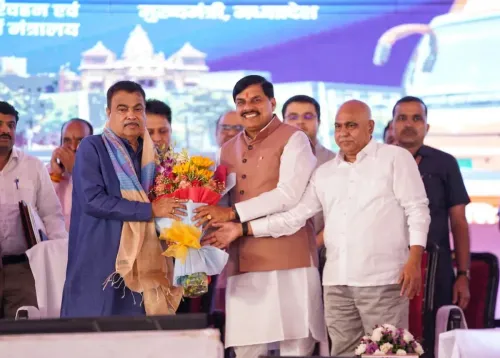
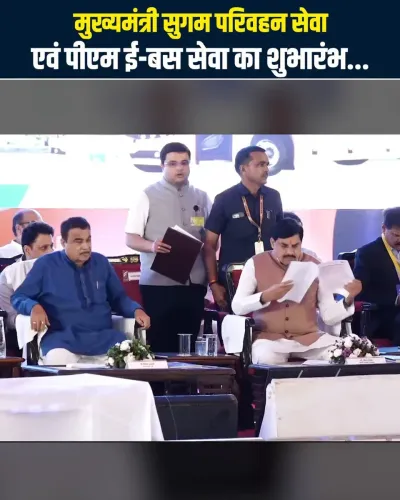
Attributing the announcement to Union Minister for Road Transport and Highways Nitin Gadkari, CM Yadav shared that the approved electric and AC buses will deliver a significant upgrade to public transport across the state. The post, tagged under #मुख्यमंत्री_सुगम_परिवहन_सेवा ('Chief Minister's Smooth Transport Service'), signals that Madhya Pradesh is positioning the rollout as a flagship mobility reform under that state initiative.
The scale of the stated follow-up target is the headline: once the initial 972-bus phase proves itself on the ground, the state is eyeing a fleet of 25,000 electric and AC buses — a number that, if realised, would represent one of the largest state-level electric public transport expansions in India.
PM e-Bus Sewa: The Central Scheme Powering the Push
The PM e-Bus Sewa scheme was announced in the Union Budget 2023-24 to fund the procurement and deployment of electric buses in Indian cities, building on the earlier FAME India Phase II programme (2019–2022) that seeded EV buses and charging infrastructure nationwide. The current scheme channels central support to states and urban local bodies to replace ageing diesel fleets with zero-emission alternatives.
Madhya Pradesh joins a growing list of states drawing down central allocations under the programme. The approach is deliberate policy architecture: federal funding reduces the capital risk for state governments, making it viable to commit to large electric fleets even before fare-box revenues catch up with costs.
Jobs, Not Just Buses
CM Yadav explicitly linked the electric-bus expansion to employment generation — a framing that goes beyond clean-air optics. Manufacturing, charging infrastructure, operations, and maintenance of a large EV fleet each create categories of jobs that conventional diesel-bus contracts do not.
Urban commuters, EV manufacturers, and transport sector workers all stand to feel the shift. For a state like Madhya Pradesh, where the public bus network has historically lagged demand in tier-2 and tier-3 cities, the combination of better connectivity and local employment is the political as much as the policy argument.
The tender and phased-rollout timelines for the 972 sanctioned buses are the immediate thing to watch — and whether the 25,000-bus vision finds formal budgetary teeth in the months ahead.
Point of View
Maximising political credit at both levels. CM Yadav's decision to foreground the 25,000-bus target shifts the story from a routine allocation to an aspirational infrastructure narrative, raising the stakes and the visibility. The employment framing is strategically significant: it broadens the constituency for a green-transport scheme beyond urban commuters to include workers and manufacturers. Whether the gap between the 972 sanctioned buses and the 25,000-bus vision gets bridged will be the real test of this ambition.
NationPress
25 Sept 2026
Frequently Asked Questions
How many electric buses has Madhya Pradesh been approved under PM e-Bus Sewa?
972 electric and AC buses have been sanctioned for Madhya Pradesh under the PM e-Bus Sewa scheme, as announced by CM Dr. Mohan Yadav on 25 September 2026.
What is the PM e-Bus Sewa scheme?
The PM e-Bus Sewa scheme was launched in the Union Budget 2023-24 to fund the procurement and deployment of electric buses in Indian cities, replacing ageing diesel fleets with zero-emission public transport.
What is the Mukhyamantri Sugam Parivahan Seva in Madhya Pradesh?
The Mukhyamantri Sugam Parivahan Seva ('Chief Minister's Smooth Transport Service') is a state-level initiative in Madhya Pradesh under which the electric bus rollout is being organised and branded.
Will the electric bus expansion in MP create jobs?
Yes. CM Yadav explicitly stated that the electric and AC bus expansion will generate new employment opportunities in areas including bus manufacturing, operations, charging infrastructure, and maintenance.
What is Madhya Pradesh's long-term electric bus target?
Following the success of the initial phase, Madhya Pradesh plans to expand its electric bus fleet to 25,000 buses , according to CM Dr. Mohan Yadav's announcement.