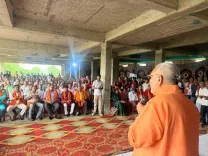
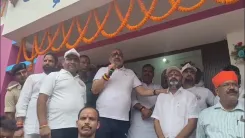
CM Yogi hails UPITS 4.0 as showcase for UP-made goods
Synopsis
Chief Minister Yogi Adityanath championed UPITS 4.0 as Uttar Pradesh's fourth annual international trade showcase, calling it the definitive platform for products made in UP and reinforcing the state's sustained push to brand itself as a manufacturing and export hub.
Key Takeaways
The Chief Minister's Office of Uttar Pradesh quoted CM Yogi Adityanath on 25 September 2026 endorsing UPITS 4.0 .
UPITS has now run for four consecutive years , making it a fixed feature of UP's industrial calendar.
The show is the commercial storefront for the One District One Product (ODOP) scheme, launched in 2018 , which backs signature products from all 75 UP districts .
Primary beneficiaries are MSME manufacturers, artisans, and exporters across Uttar Pradesh.
Key outcomes to track: buyer-seller conversions, new investment pledges, and subsequent UP export data.
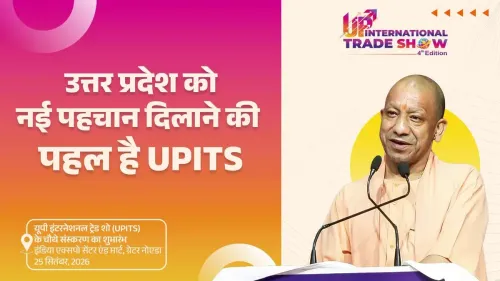
Four years, one consistent bet: that Uttar Pradesh's workshops, looms, and factory floors deserve a global audience. On Friday, 25 September 2026, the Chief Minister's Office of Uttar Pradesh quoted Chief Minister Yogi Adityanath underlining the significance of the UP International Trade Show (UPITS) 4.0 — the state's flagship platform for putting homegrown products in front of buyers, investors, and the world.
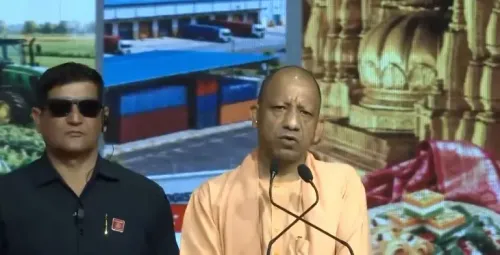
Speaking about the event, CM Yogi said: 'The UP International Trade Show is a platform where, for the past four years, we have been continuously providing a stage for products manufactured in Uttar Pradesh. UPITS 4.0 is an excellent platform for showcasing products made in UP.'
Four editions and a manufacturing state's ambition
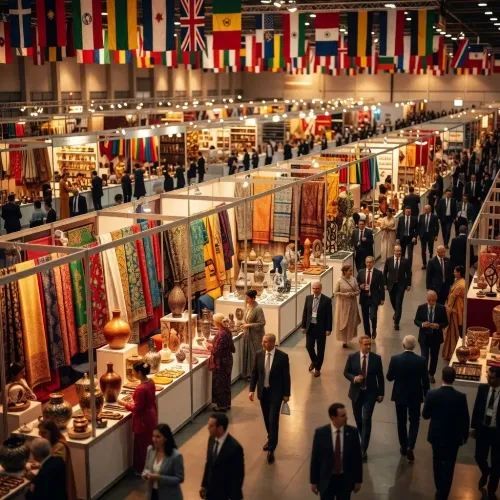
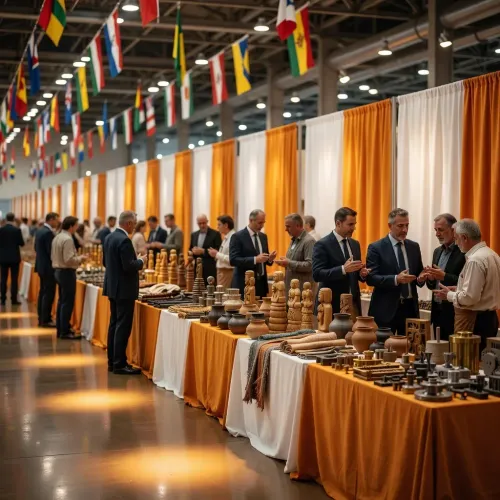
The UPITS is not a one-off exhibition — it is an annual statement of intent. Since its first edition, the trade show has functioned as the commercial centrepiece of Uttar Pradesh's push to brand itself as a manufacturing and export destination, not merely India's most populous state. Each successive edition has built on the last, deepening ties between producers and buyers while signalling to investors that the state's industrial calendar is predictable and serious.
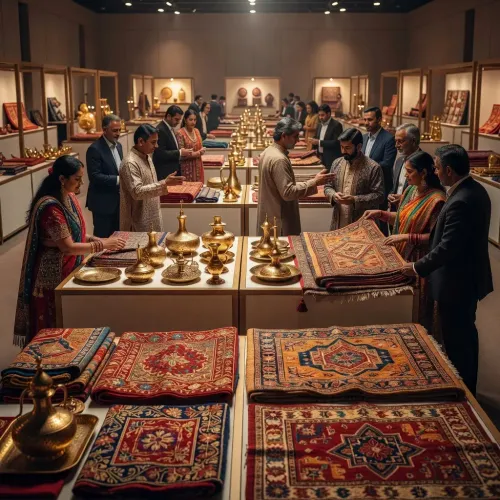
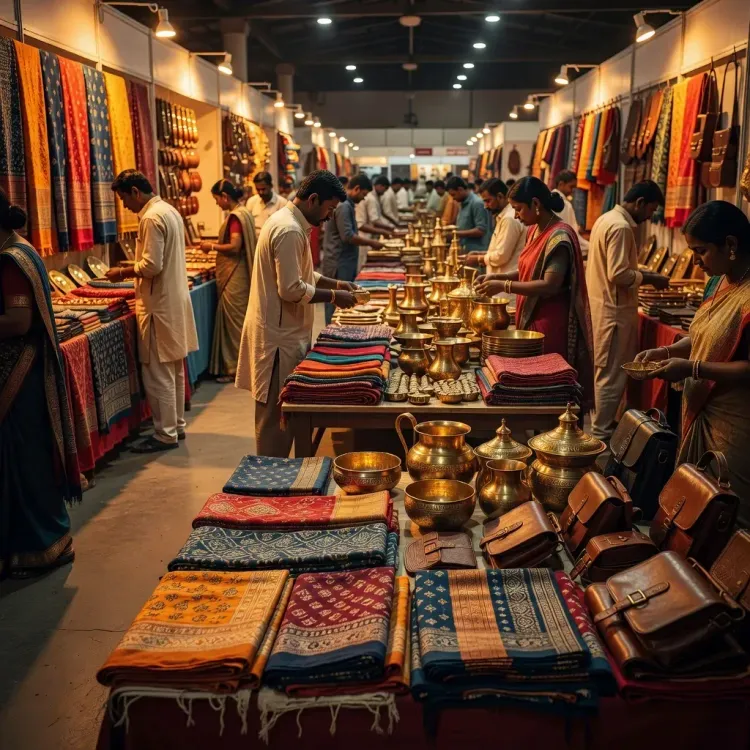
Underpinning the trade show is the One District One Product (ODOP) scheme, launched in 2018. ODOP identified a signature product in each of UP's districts — from Varanasi's silk to Agra's leather to Moradabad's brassware — and gave those products institutional backing. The trade show then becomes the storefront: MSMEs, artisans, and exporters get a structured opportunity to meet bulk buyers they would never otherwise reach.
Why UPITS 4.0 carries weight for UP's MSME sector
The primary beneficiaries of UPITS are the MSME manufacturers, artisans, and exporters spread across UP's 75 districts. For many small producers, a state-branded international trade platform removes a critical barrier — the cost and complexity of marketing beyond their local market. Repeated editions also mean that returning buyers come with familiarity and, potentially, larger orders.
The show fits neatly into UP's wider industrial policy arc: a series of investment summits, export-promotion programmes, and infrastructure investments all aimed at reducing the state's traditional dependence on agriculture and accelerating job creation in manufacturing. UPITS provides the recurring, visible proof of progress that such a narrative demands.
The metrics that matter at UPITS 4.0 are straightforward — how many buyer-seller matches convert to orders, what new investment commitments are announced, and whether the state's export data in subsequent quarters reflects the momentum. Those numbers, when they emerge, will tell the real story of whether four editions have compounded into something durable.
Point of View
Delivered via the official CMO account, also serves a domestic political purpose — signalling to UP's vast artisan and MSME community that the government sees their output as export-worthy. The real policy test, however, comes after the show closes: whether buyer interest translates into sustained order flow and whether ODOP products gain measurable market share.
NationPress
25 Sept 2026
Frequently Asked Questions
What is the UP International Trade Show (UPITS)?
UPITS is an annual state-level trade fair organised by the Uttar Pradesh government to showcase products manufactured across the state and connect local producers with domestic and international buyers and investors. UPITS 4.0 is its fourth edition.
What is One District One Product (ODOP) and how is it linked to UPITS?
ODOP is a Uttar Pradesh scheme launched in 2018 that identifies a signature product for each of the state's 75 districts — such as Varanasi silk or Moradabad brassware. UPITS serves as the main trade platform where these ODOP products are showcased to buyers and investors.
Who benefits from UPITS 4.0?
The primary beneficiaries are MSME manufacturers, artisans, and exporters based in Uttar Pradesh, who gain access to a structured platform to meet bulk buyers they would otherwise struggle to reach on their own.
What did CM Yogi Adityanath say about UPITS 4.0?
CM Yogi Adityanath said UPITS has provided a continuous platform for UP-manufactured products for four years and called UPITS 4.0 'an excellent platform' for showcasing goods made in Uttar Pradesh.
How does UPITS fit into Uttar Pradesh's broader economic goals?
UPITS is part of UP's wider industrial strategy — which includes investment summits and export-promotion programmes — aimed at diversifying the state's economy beyond agriculture, boosting manufacturing, and creating jobs.