CM Mohan Yadav: MP Govt Works for Welfare of All Sections
Synopsis
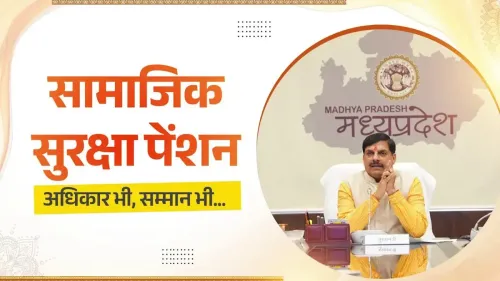
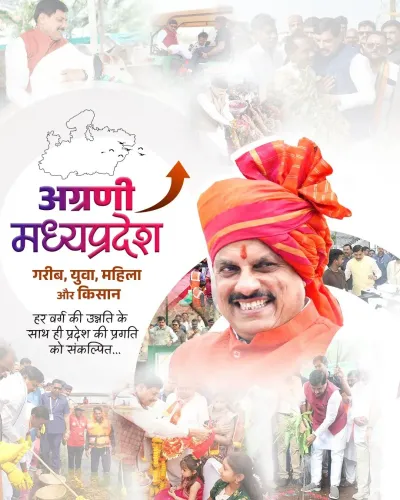
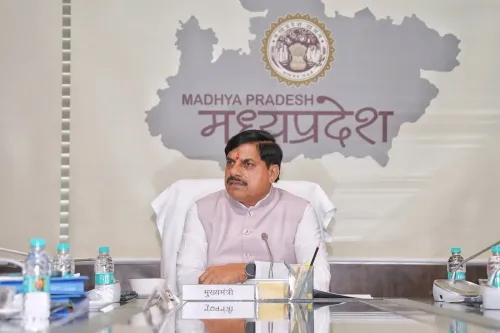
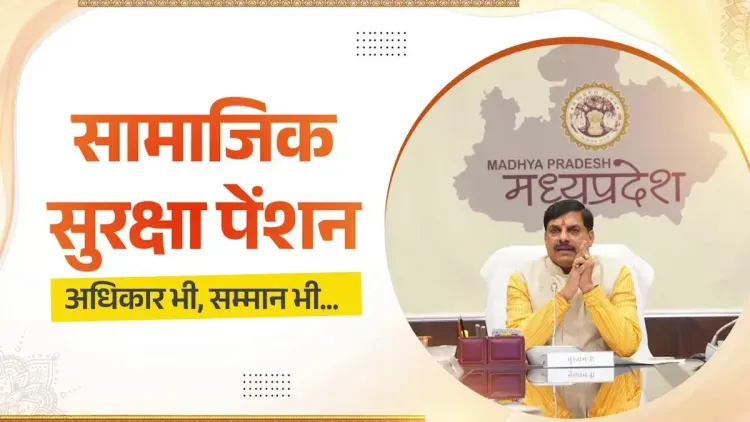
Chief Minister Dr. Mohan Yadav reaffirmed on 25 June 2026 that the Madhya Pradesh government is continuously working for the welfare and holistic development of every section of society, guided by the principle that serving humanity is serving God.
Key Takeaways
Mohan Yadav on 25 June 2026 reaffirmed the Madhya Pradesh government's commitment to welfare and holistic development for all social sections.
The statement invokes the principle 'Nar Seva hi Narayan Seva' — serving humanity is serving God — as the guiding philosophy of the administration.
The post was shared by the official Chief Minister's Office handle and tagged the Social Welfare Department of Madhya Pradesh .
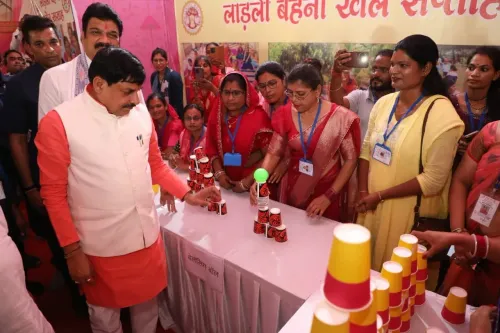
Key welfare programmes in the state include Mukhya Mantri Ladli Behna Yojana and Mukhya Mantri Jan Kalyan Yojana , targeting women, SC/ST communities, and economically weaker sections.
Mohan Yadav has governed Madhya Pradesh since December 2023 , continuing the BJP's welfare-centric governance model active since 2003 .
State budget allocations for 2026-27 and possible scheme expansions ahead of the 2028 assembly elections will be key indicators of how this commitment materialises.
The Chief Minister's Office of Madhya Pradesh, on behalf of Chief Minister Dr. Mohan Yadav, reaffirmed on Thursday, 25 June 2026 that the state government remains committed to the welfare and holistic development of every section of society, invoking the principle 'Nar Seva hi Narayan Seva hai' ('Serving humanity is serving God').
Context
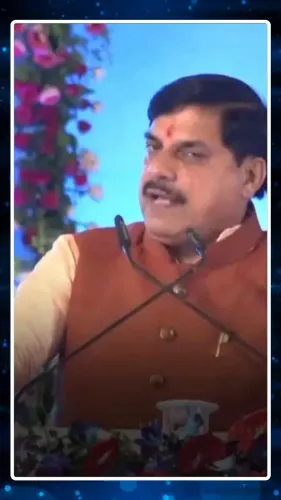
The post, shared via the official @CMMadhyaPradesh handle and tagging the Social Welfare Department of Madhya Pradesh, carries a video and quotes CM Dr. Mohan Yadav directly. The phrase 'Nar Seva hi Narayan Seva' is a well-established spiritual-political idiom in Indian public discourse, used to frame governance as a moral obligation toward citizens, particularly the marginalised.
The statement positions inclusive welfare — spanning women, Scheduled Castes, Scheduled Tribes, and economically weaker sections — as the central governance philosophy of the current administration in Bhopal.
Policy Backdrop
Dr. Mohan Yadav took charge as Chief Minister of Madhya Pradesh in December 2023, succeeding Shivraj Singh Chouhan, and has emphasised continuity in the state's welfare architecture. Key programmes inherited and continued include the Mukhya Mantri Ladli Behna Yojana, which provides monthly direct cash transfers to women from economically weaker sections, and the Mukhya Mantri Jan Kalyan Yojana, which consolidates social security pensions.
The state has also integrated its schemes with central programmes such as PM Awas Yojana and the National Social Assistance Programme, creating a layered welfare delivery system. The BJP has governed Madhya Pradesh continuously since 2003, and successive administrations have used welfare-centric messaging to signal policy continuity.
Stakeholders and Impact
The primary beneficiaries of the state's welfare framework include women enrolled under Ladli Behna Yojana, members of Scheduled Caste and Scheduled Tribe communities, and households classified under economically weaker sections. The Social Welfare Department of Madhya Pradesh, tagged in the post, is the nodal agency for implementing these schemes on the ground.
Statements of this nature serve both a governance communication function and a political signalling role, reinforcing the administration's commitment to the antyodaya principle — the upliftment of the last person in the social order — which has been a recurring theme across BJP-governed states.
What's Next
Observers will watch the Madhya Pradesh state budget for 2026-27 for concrete allocation figures that back this welfare commitment, particularly for the Ladli Behna Yojana and social security pension programmes. Any mid-term review or expansion of existing schemes by the Yadav government in the coming months would be a tangible measure of how this stated philosophy translates into policy action.
With the next Madhya Pradesh assembly elections expected in 2028, the frequency and substance of such welfare messaging from the Chief Minister's Office is likely to intensify as the government seeks to consolidate its social contract with vulnerable communities.
Point of View
Who is still consolidating his political standing after succeeding the long-serving Shivraj Singh Chouhan, such reaffirmations serve a dual purpose: signalling continuity to existing beneficiaries while establishing his own voice on social policy. The tagging of the Social Welfare Department suggests a deliberate effort to associate the Chief Minister's brand with institutional delivery, not just rhetoric. With 2028 elections on the horizon, the cadence of such messaging will be a useful barometer of the government's political priorities.
NationPress
25 Jun 2026
Frequently Asked Questions
What did CM Mohan Yadav say about welfare in Madhya Pradesh?
CM Dr. Mohan Yadav stated on 25 June 2026 that the Madhya Pradesh government is continuously working for the welfare and holistic development of every section of society, guided by the principle 'Nar Seva hi Narayan Seva hai' — serving humanity is serving God.
What is the Mukhya Mantri Ladli Behna Yojana in Madhya Pradesh?
The Mukhya Mantri Ladli Behna Yojana, launched in 2023, provides monthly direct financial support to women from economically weaker sections in Madhya Pradesh. It is one of the flagship welfare schemes continued under CM Mohan Yadav.
Who is the Chief Minister of Madhya Pradesh in 2026?
Dr. Mohan Yadav is the Chief Minister of Madhya Pradesh. He assumed office in December 2023, succeeding Shivraj Singh Chouhan, and leads a BJP government in the state.
What does 'Nar Seva hi Narayan Seva' mean?
'Nar Seva hi Narayan Seva' is a Hindi phrase meaning 'Serving humanity is serving God.' It is frequently used in Indian political and spiritual discourse to frame public service and governance as a moral and religious duty.
Which department handles welfare schemes in Madhya Pradesh?
The Social Welfare Department of Madhya Pradesh is the nodal agency responsible for implementing schemes targeting Scheduled Castes, Scheduled Tribes, women, children, and other vulnerable groups in the state.