CM Mohan Yadav's Office Highlights Ladli Behna Scheme Progress
Synopsis
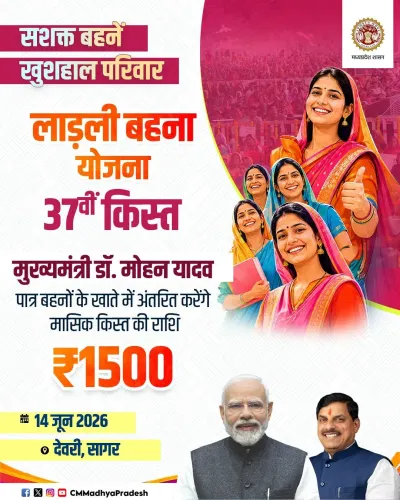
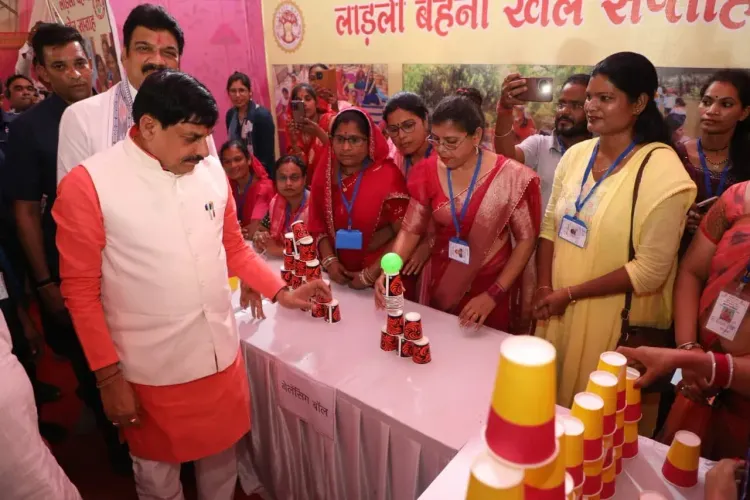
The Chief Minister's Office of Madhya Pradesh posted on X on 14 June 2026, tagging CM Dr. Mohan Yadav and the Women and Child Development Department in a communication linked to the state's Ladli Behna Yojana, underscoring the BJP government's continued focus on direct cash transfers for women.
Key Takeaways
The Chief Minister's Office of Madhya Pradesh posted on X on 14 June 2026 referencing Ladli Behna Yojana .
Mohan Yadav and the Department of Women and Child Development, MP were tagged in the official post.
Ladli Behna Yojana was launched in 2023 , providing Rs 1,000 per month to eligible women aged 21–60 via Direct Benefit Transfer.
The scheme is implemented by the Women and Child Development Department and targets women from low- and middle-income rural and semi-urban households.
Madhya Pradesh has been governed by the BJP since 2003 (with a brief interruption), with women's welfare schemes forming a core policy focus.
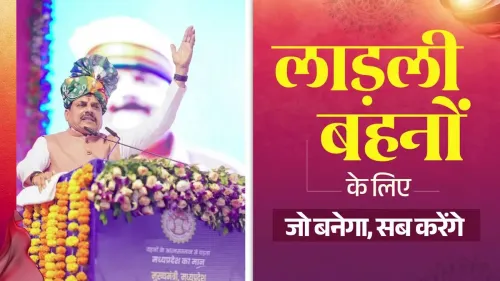
The Chief Minister's Office of Madhya Pradesh posted on X (formerly Twitter) on Sunday, 14 June 2026, tagging Chief Minister Dr. Mohan Yadav and the Department of Women and Child Development, Madhya Pradesh in a post linked to the state's flagship women's welfare programme, Ladli Behna Yojana.
Context
The post, shared from the official @CMMadhyaPradesh handle, used the hashtags #LadliBahnaMP, #CMMadhyaPradesh, and #MadhyaPradesh, signalling an official communication related to the scheme's ongoing implementation. It tagged @DrMohanYadav51, the personal handle of the Chief Minister, and @mp_wcdmp, the Women and Child Development Department's official account.
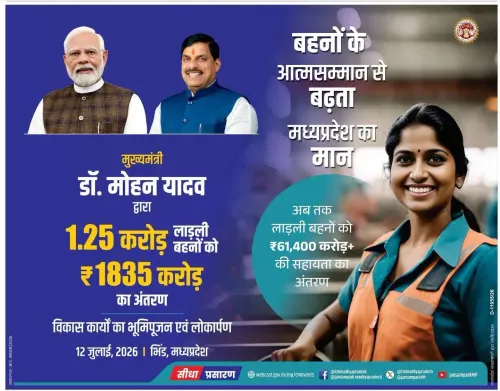
The communication reflects the BJP-led Madhya Pradesh government's continued emphasis on publicising Ladli Behna Yojana as a central pillar of its social welfare outreach to women beneficiaries across the state.
Policy Backdrop
Ladli Behna Yojana was launched in 2023 under then Chief Minister Shivraj Singh Chouhan, initially offering Rs 1,000 per month in direct cash transfers to eligible women aged 21 to 60 years meeting specified income and residency criteria in Madhya Pradesh. The scheme operates through a Direct Benefit Transfer (DBT) mechanism, crediting funds directly into beneficiaries' bank accounts.
Since Dr. Mohan Yadav assumed office as Chief Minister in December 2023, the scheme has continued as a flagship state welfare initiative. Madhya Pradesh, governed by the BJP since 2003 with a brief interruption, has consistently positioned such cash-transfer programmes as instruments of women's financial empowerment.
Stakeholders and Impact
The primary beneficiaries of Ladli Behna Yojana are women from low- and middle-income households, with a pronounced reach into rural Madhya Pradesh. The Department of Women and Child Development is the nodal agency responsible for enrolment, verification, and monthly disbursements under the scheme.
Several Indian states have introduced similar recurring cash-transfer schemes for adult women since 2021, typically framed as economic empowerment measures and funded through state budgets. Madhya Pradesh's model is among the more established, given its rollout timeline and the administrative infrastructure already in place.
What's Next
Observers will watch upcoming Madhya Pradesh state budget allocations for signals on whether monthly transfer amounts or beneficiary eligibility criteria will be revised. Official data on beneficiary coverage, grievance redressal outcomes, and DBT disbursement figures are expected to provide a fuller picture of the scheme's reach in the coming months.
The government's continued social-media engagement on Ladli Behna suggests the scheme will remain a key plank of the administration's public communications ahead of future electoral cycles in the state.
Point of View
Using official handles to reinforce the government's identity as a welfare-first administration. Tagging both the Chief Minister's personal account and the nodal department signals a coordinated communications effort rather than a routine post. Across India, ruling parties in multiple states have used women-targeted cash-transfer programmes as durable political assets, and Madhya Pradesh's sustained emphasis on Ladli Behna fits squarely within that pattern. The key test going forward will be whether the state backs this visibility with expanded budgetary commitments or enhanced beneficiary coverage.
NationPress
13 Sept 2026
Frequently Asked Questions
What is Ladli Behna Yojana in Madhya Pradesh?
Ladli Behna Yojana is a state cash-transfer scheme launched in 2023 in Madhya Pradesh that provides Rs 1,000 per month directly to eligible women aged 21 to 60 years meeting specified income and residency criteria, delivered through Direct Benefit Transfer into their bank accounts.
Who is the Chief Minister of Madhya Pradesh in 2026?
Dr. Mohan Yadav is the Chief Minister of Madhya Pradesh , having assumed office in December 2023 as a representative of the BJP .
Who launched Ladli Behna Yojana in Madhya Pradesh?
Ladli Behna Yojana was launched in 2023 by then Chief Minister Shivraj Singh Chouhan of the BJP -led Madhya Pradesh government.
Which department implements Ladli Behna Yojana in MP?
The Department of Women and Child Development, Madhya Pradesh is the nodal agency responsible for enrolment, verification, and monthly disbursements under Ladli Behna Yojana .
How does Ladli Behna Yojana transfer money to beneficiaries?
Ladli Behna Yojana uses the Direct Benefit Transfer (DBT) mechanism, crediting the monthly amount of Rs 1,000 directly into the bank accounts of eligible women beneficiaries in Madhya Pradesh .