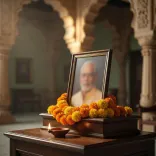
CM Mohan Yadav Offers Tribute as Pitru Paksha Begins
Synopsis
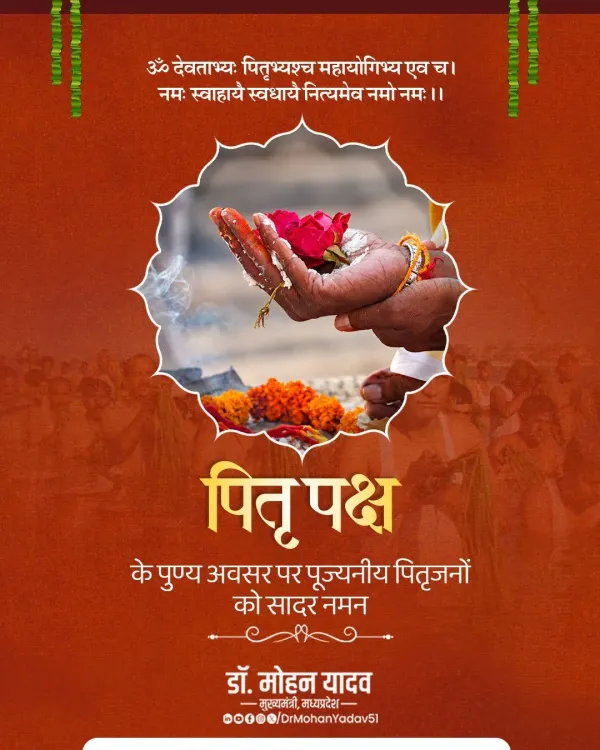
Madhya Pradesh Chief Minister Dr. Mohan Yadav marked the start of Pitru Paksha on September 26, 2026, with a public tribute to ancestors, calling their memories and ideals a living force in India's cultural traditions.
Key Takeaways
Pitru Paksha 2026 began on Saturday, September 26, 2026 , marking the start of the 16-day Hindu ancestor-veneration fortnight.
Madhya Pradesh CM Dr.
Mohan Yadav posted a public tribute on X, saluting ancestors and invoking their blessings for all.
The Chief Minister described ancestral memories and ideals as 'forever alive in our traditions' and a guide to the right path.
Pitru Paksha rituals include shraddha and tarpan — offerings performed at homes and sacred riverbanks across India.
Such festival messages are a consistent part of Dr.
Yadav's public communication since he assumed office in December 2023 .
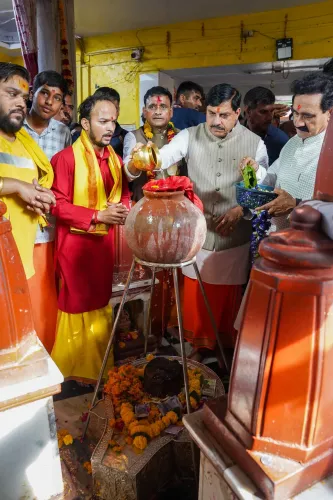
As the sacred fortnight of Pitru Paksha commenced on Saturday, September 26, 2026, Madhya Pradesh Chief Minister Dr. Mohan Yadav extended a heartfelt salutation to ancestors, calling their memories and ideals a living force within every family's values.
In his message posted on X, Dr. Yadav wrote: 'आज से प्रारंभ हो रहे पितृ पक्ष के अवसर पर पूजनीय पितृजनों को सादर नमन करता हूं' — 'On the occasion of Pitru Paksha beginning today, I offer my respectful salutations to the venerable ancestors.' He added that the memories and ideals of forebears remain forever alive in our traditions, guiding us on the right path.
What Pitru Paksha Means — and Why It Matters
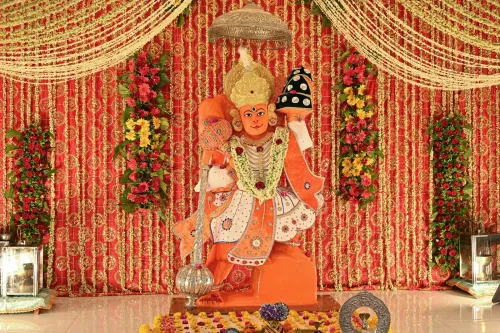
Pitru Paksha is a 16-day Hindu lunar fortnight observed annually, during which families perform shraddha rituals and tarpan — offerings of water and sesame — to honour and seek the blessings of departed ancestors. It falls in the Bhadrapada month of the Hindu calendar, typically in September or October. For millions of Hindu households, the period carries deep emotional and spiritual weight, marking a pause from celebrations to turn inward toward lineage and gratitude.
A Chief Minister's Voice in a Season of Reverence
Dr. Yadav closed his message with a benediction: that the happiness of ancestors and the blessings of forebears may remain with everyone — 'यही मंगलकामना है', 'this is my only wish.' The sentiment is personal in texture but public in reach, addressed to all residents of Madhya Pradesh and the wider Hindu community observing the fortnight.
State chief ministers across India routinely mark major Hindu observances with public messages — a practice that blends cultural acknowledgment with the rhythms of political communication. Dr. Yadav, who assumed office as Chief Minister in December 2023, has followed this tradition consistently through festivals since taking charge.
As families light lamps and carry offerings to riverbanks across Madhya Pradesh and beyond, the Chief Minister's words land as an institutional nod to a tradition that needs no introduction — only acknowledgment.
Point of View
Consistent festival messaging builds constituency-level warmth that complements policy work. The choice of Pitru Paksha — a solemn, inward-facing observance rather than a celebratory festival — signals cultural attentiveness beyond the obvious high-visibility occasions. Expect similar outreach as Navratri and Diwali approach.
NationPress
26 Sept 2026
Frequently Asked Questions
What is Pitru Paksha and when does it occur?
Pitru Paksha is a 16-day Hindu lunar fortnight dedicated to honouring departed ancestors through rituals called shraddha and tarpan. It falls in the Bhadrapada month of the Hindu calendar, typically in September or October each year.
What did CM Mohan Yadav say about Pitru Paksha?
CM Dr. Mohan Yadav offered respectful salutations to ancestors, stating that the memories and ideals of forebears remain alive in our cultural values and guide us on the right path. He expressed the wish that everyone receive the blessings of their ancestors.
Who is Dr. Mohan Yadav?
Dr. Mohan Yadav is the Chief Minister of Madhya Pradesh and a BJP leader. He assumed office in December 2023.
What rituals are performed during Pitru Paksha?
During Pitru Paksha, Hindu families perform shraddha ceremonies and tarpan — offerings of water, sesame, and food — at home or at sacred rivers, to venerate and seek peace for the souls of departed ancestors.
Is CM Mohan Yadav's Pitru Paksha message a policy announcement?
No, the message is a ceremonial tribute marking the beginning of the Hindu observance. It carries cultural and spiritual significance but contains no direct policy content.