CM Mohan Yadav orders Narmada Parikrama Path cleared of encroachments
Synopsis
Madhya Pradesh CM Dr. Mohan Yadav on 2 July 2026 directed encroachment removal from the Narmada Parikrama Path, ordered monthly Narmada Samagra reviews, called for pollution-free riverbank shrines, and extended the Deendayal Rasoi scheme to Narmada ghats.
Key Takeaways
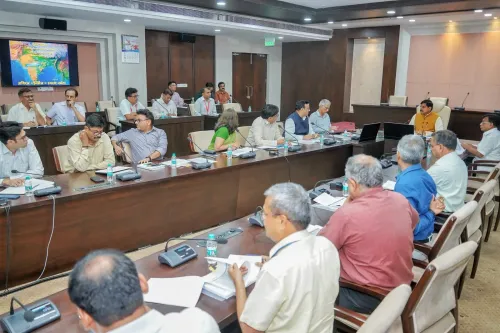
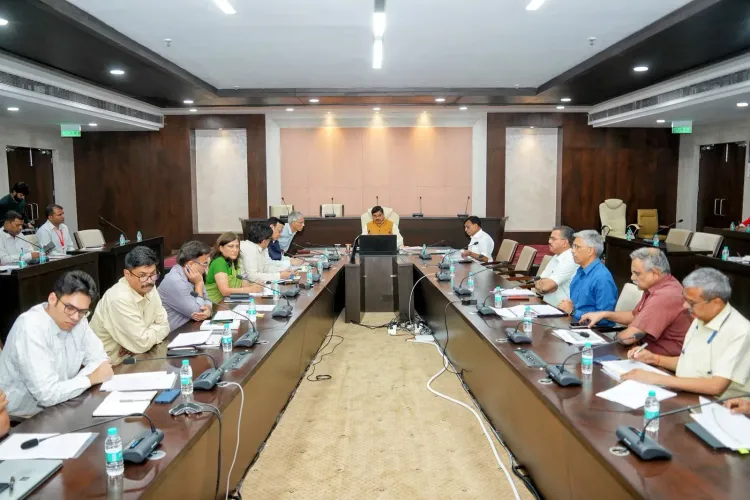
Narmada Samagra review meeting chaired by CM Dr.
Mohan Yadav at the state secretariat on 2 July 2026 .
Directive issued to clear the Narmada Parikrama Path of all encroachments.
Monthly inter-departmental meetings mandated under Narmada Samagra to drive river-area development decisions.
Deendayal Rasoi subsidised meal outlets to be launched at religious and sacred sites on the Narmada's banks.
All departments ordered to ensure Narmada Jayanti is marked with state-wide events across Madhya Pradesh .
Youth and civil society to be actively involved in Narmada river conservation efforts.
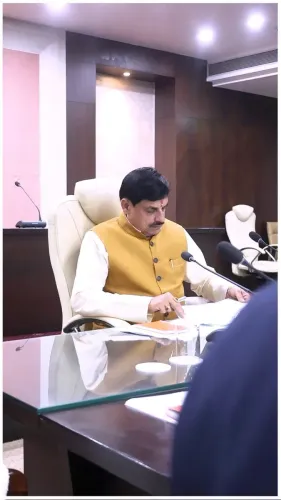
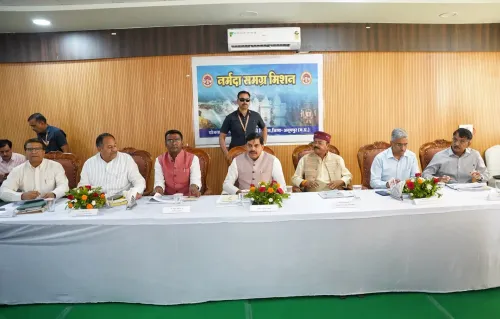
Madhya Pradesh Chief Minister Dr. Mohan Yadav on Thursday, 2 July 2026 chaired a review meeting of the Narmada Samagra initiative at the state secretariat, directing officials to free the Narmada Parikrama Path from encroachments and launching a framework of monthly inter-departmental reviews focused on river-area development.
Context
Posting in Hindi on X, the Chief Minister outlined a multi-pronged directive: 'नर्मदा परिक्रमा पथ को अतिक्रमण मुक्त बनाने के निर्देश दिए' ('instructions given to make the Narmada Parikrama Path free of encroachments'). He also called for state-wide events on Maa Narmada Jayanti and ordered all religious and sacred sites along the riverbank to be made pollution-free. Officers across all departments were told to carry out this work 'with full dedication.'
The Narmada Parikrama Path is the traditional pilgrimage circuit around the Narmada River, one of the most revered rivers in central India, drawing tens of thousands of pilgrims annually. Encroachments along the route have long been a source of concern for both religious communities and conservationists.
Policy Backdrop
The Narmada Samagra framework builds on Madhya Pradesh's earlier Namami Devi Narmade campaign, launched in 2016–17, which mobilised public participation for Narmada conservation and cleanliness. Monthly meetings under the new framework will bring together officers from multiple departments to take binding decisions on river-area development — a model mirroring the inter-agency coordination seen under the national Namami Gange programme.
A notable addition in the Chief Minister's directives is the extension of the Deendayal Rasoi scheme — which provides subsidised meals to the urban poor — to riverbank religious sites along the Narmada. The move is intended to serve pilgrims and economically weaker visitors at sacred ghats.
Stakeholders and Impact
The directives directly affect pilgrims undertaking the Narmada Parikrama, riverbank communities across the state, and encroachment holders on the pilgrimage route who may face removal drives. The Chief Minister specifically called for youth to be engaged in river conservation alongside people from all sections of society.
Religious and heritage sites along the Narmada's banks — spanning districts from Amarkantak in the east to Bharuch at the river's mouth in Gujarat — stand to benefit from the pollution-control mandate, though the immediate administrative jurisdiction covers the Madhya Pradesh stretch. The Deendayal Rasoi outlets at ghats would provide an additional welfare touchpoint for pilgrims and daily-wage workers in the river corridor.
What's Next
The first test of the new framework will be the next scheduled monthly Narmada Samagra meeting, where departmental progress on encroachment removal and pollution abatement is expected to be reviewed. State-wide cultural and religious events tied to Maa Narmada Jayanti are to be organised across Madhya Pradesh, raising the initiative's public profile ahead of further implementation steps.
The rollout of Deendayal Rasoi outlets at Narmada's sacred sites will be closely watched as a measure of the government's ability to combine welfare delivery with river conservation — a template that, if successful, could be replicated at other riverine pilgrimage corridors in the state.
Point of View
Embedding it in a monthly accountability structure that mirrors the administrative architecture of Namami Gange at the national level. Directing the Deendayal Rasoi scheme to Narmada ghats is a politically astute move, linking welfare delivery with religious identity in a state where the Narmada carries deep cultural weight. The explicit focus on youth engagement suggests the government is building a long-term constituency for conservation politics ahead of future electoral cycles. Whether monthly reviews translate into measurable encroachment removal and pollution reduction will determine if this becomes a durable policy legacy or remains largely symbolic.
NationPress
2 Jul 2026
Frequently Asked Questions
What is the Narmada Samagra initiative in Madhya Pradesh?
Narmada Samagra is a state-level framework in Madhya Pradesh under which monthly inter-departmental review meetings are held to take decisions on the development and conservation of the Narmada river corridor, including encroachment removal and pollution control.
What is the Narmada Parikrama Path and why is encroachment a concern?
The Narmada Parikrama Path is the traditional pilgrimage circuit around the Narmada River, revered by Hindus and undertaken by thousands of pilgrims each year. Encroachments along the route obstruct pilgrims and damage the ecological and religious character of the corridor, prompting CM Mohan Yadav's removal directive.
What is Deendayal Rasoi and how does it relate to the Narmada?
Deendayal Rasoi is a Madhya Pradesh government scheme that provides subsidised meals to the poor and needy. CM Mohan Yadav has now directed that these outlets be opened at religious and sacred sites along the Narmada riverbank to serve pilgrims and economically weaker visitors.
When is Narmada Jayanti and what events are planned?
Narmada Jayanti marks the birth anniversary of the Narmada River and is celebrated with religious fervour across Madhya Pradesh. CM Mohan Yadav has directed that state-wide events be organised on the occasion as part of the broader Narmada Samagra outreach.
How does Madhya Pradesh's Narmada conservation effort compare to Namami Gange?
Madhya Pradesh's approach — combining anti-encroachment drives, pollution control at religious sites, monthly inter-departmental reviews and community engagement — closely mirrors the integrated model of the national Namami Gange programme, adapted for the Narmada River and its unique pilgrimage traditions.