CM Mohan Yadav Pledges Full Facilities for Ujjain Simhastha 2028

Synopsis
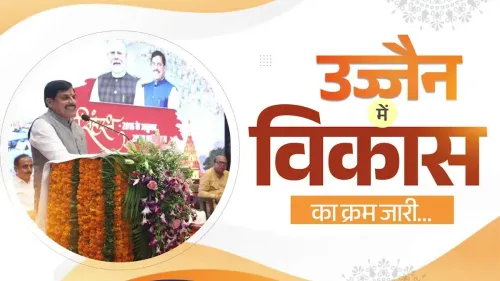
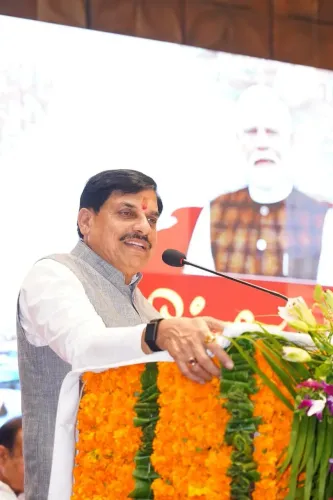
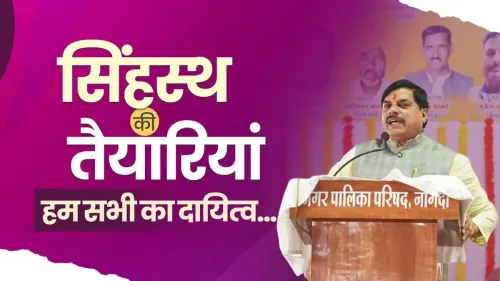
Chief Minister Dr. Mohan Yadav has pledged that all facilities will be made available to devotees for the Simhastha Kumbh Mela in Ujjain in 2028, signalling the start of the state government's formal multi-year preparation cycle for the major Hindu pilgrimage event.
Key Takeaways
Mohan Yadav has publicly committed to providing all facilities for devotees at Simhastha 2028 in Ujjain .
The announcement was made on 10 July 2026 , roughly two years before the event, indicating early-stage state planning.
Ujjain last hosted the Simhastha Kumbh Mela in 2016 , when major infrastructure upgrades were carried out.
Simhastha follows a 12-year cycle and draws tens of millions of pilgrims to the Shipra River ghats .
Key next steps include budget announcements, tendering for ghat and facility development, and coordination with central ministries.
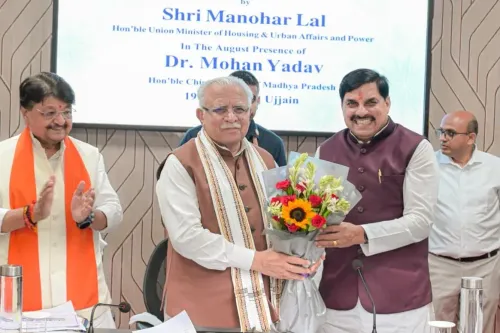
The Chief Minister's Office of Madhya Pradesh announced on Friday, 10 July 2026 that all necessary facilities will be provided to devotees attending the Simhastha Kumbh Mela in Ujjain in 2028, with Chief Minister Dr. Mohan Yadav making the commitment directly.
Context
The post, shared by the official CMO handle, quotes CM Dr. Mohan Yadav in Hindi: 'वर्ष 2028 में उज्जैन में होने वाले सिंहस्थ में श्रद्धालुओं के लिए सभी सुविधाएं उपलब्ध कराई जाएंगी' ('All facilities will be made available to devotees for the Simhastha to be held in Ujjain in the year 2028'). The statement signals that the state government has formally begun its preparation cycle for one of the largest religious gatherings in the world. Ujjain, home to the revered Mahakaleshwar Jyotirlinga, serves as the designated host city for Simhastha, which occurs on a 12-year cycle.
Policy Backdrop
Madhya Pradesh last hosted the Simhastha Kumbh Mela in 2016, when the state undertook large-scale infrastructure upgrades including ghat development, road widening, sanitation networks, and crowd-management systems. That edition drew tens of millions of pilgrims to Ujjain over its duration. Indian states hosting Kumbh-cycle events typically initiate multi-year planning well in advance, coordinating with central ministries on funding, urban development, and security deployment. CM Dr. Mohan Yadav, who assumed office in December 2023, has placed religious tourism at the centre of the state's development agenda, making Simhastha 2028 a flagship priority for his administration.
Stakeholders and Impact
The primary beneficiaries of the state's pledge are the millions of Hindu devotees who undertake ritual bathing at the Shipra River ghats in Ujjain during Simhastha. Beyond pilgrims, the event has significant economic implications for local traders, hoteliers, transport operators, and artisans across the Malwa region. The local administration of Ujjain will shoulder much of the ground-level coordination, from temporary shelter and drinking water to medical camps and traffic management. Preparations of this scale also generate substantial employment and infrastructure that benefits the city long after the mela concludes.
What's Next
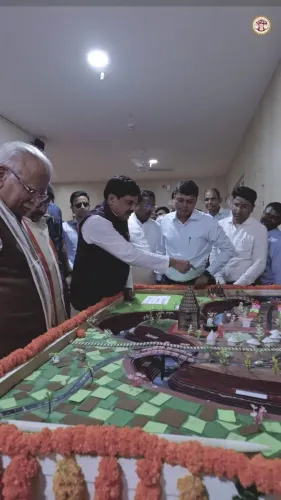
With the CM's public commitment now on record, attention will turn to concrete deliverables: budget allocations, tendering for ghat renovation and temporary pilgrim facilities, and formal coordination mechanisms with central government ministries. The state is expected to constitute dedicated project committees and draw up a phased infrastructure calendar in the coming months. How the government translates this broad assurance into funded, time-bound projects will be the measure of its preparedness as 2028 approaches.
Point of View
A domain where Madhya Pradesh has historically sought to project state capacity. By making the pledge from the official CMO handle more than two years out, the government sets a visible accountability benchmark for itself. The announcement fits a broader pattern of BJP-ruled states using major pilgrimage infrastructure as both a governance signal and a political asset ahead of electoral cycles. The real test will come in the budget and tendering phases, where ambition must translate into funded, time-bound projects.
NationPress
10 Jul 2026
Frequently Asked Questions
When is Simhastha 2028 in Ujjain?
Simhastha Kumbh Mela is scheduled to be held in Ujjain, Madhya Pradesh in 2028 . It follows a 12-year cycle; the previous edition was held in 2016.
What facilities will be provided at Simhastha 2028?
CM Dr. Mohan Yadav has pledged that 'all facilities' will be made available to devotees, which typically includes ghat development, sanitation, drinking water, medical camps, temporary shelters, and security arrangements.
Who is organising Simhastha 2028?
The Madhya Pradesh state government , led by CM Dr. Mohan Yadav , is responsible for organising Simhastha 2028, in coordination with the Ujjain local administration and central government ministries.
How many people attend Simhastha in Ujjain?
Simhastha is one of the largest religious gatherings in the world, drawing tens of millions of Hindu devotees to Ujjain for ritual bathing in the Shipra River over the course of the event.
What is the significance of Ujjain for Simhastha?
Ujjain is one of the four designated host cities for the Kumbh Mela cycle and is home to the Mahakaleshwar Jyotirlinga , one of the twelve sacred Jyotirlingas, making it a site of deep religious importance for Hindu pilgrims.