CM Mohan Yadav: Sandipani Schools Reshaping MP Education
Synopsis
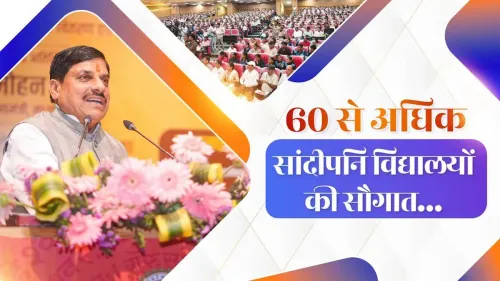
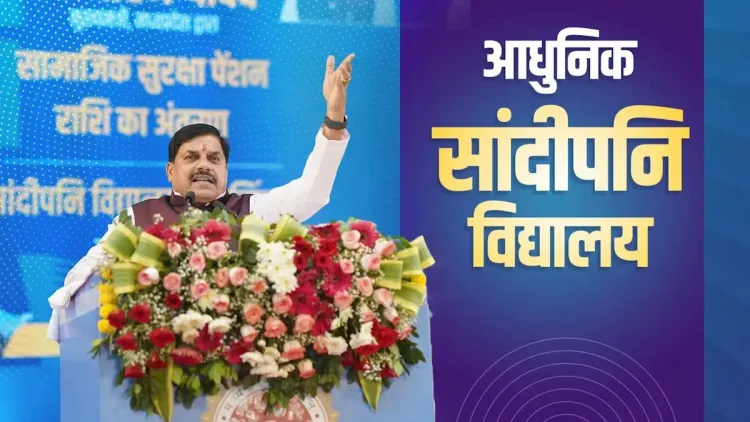
MP Chief Minister Dr. Mohan Yadav says Sandipani Vidyalayas — equipped with modern classrooms, libraries, sports grounds, and student bus services — are charting a new direction for Madhya Pradesh's school education system.
Key Takeaways
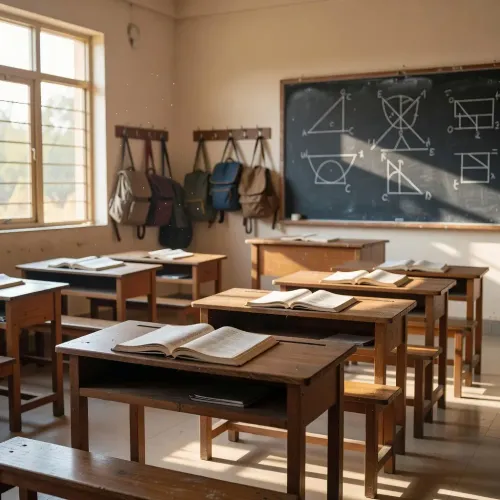
Sandipani Vidyalayas in Madhya Pradesh are being upgraded with modern study rooms, libraries, and sports grounds.
The state government has introduced bus transport facilities for students, directly addressing attendance and access barriers.
Mohan Yadav framed these upgrades as giving the state's education system 'a new direction.' The Sandipani Vidyalaya network draws on cultural heritage — named after sage Sandipani of Ujjain — while pursuing a modern school model.
Infrastructure investment in government schools reflects the BJP government's broader push to make quality education visible and verifiable.
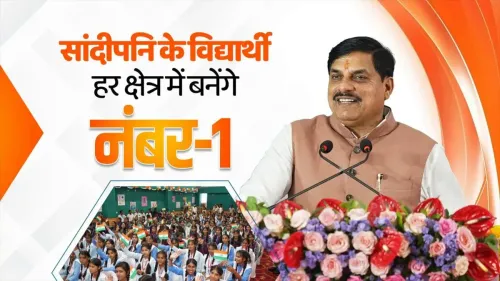
A new classroom, a library stocked with books, a sports ground where children once had none — and a bus to bring them there. Madhya Pradesh Chief Minister Dr. Mohan Yadav on Sunday, October 11, 2026, highlighted how the state's Sandipani Vidyalayas are being equipped with modern infrastructure to transform the quality of school education across Madhya Pradesh.
In his post, Chief Minister Yadav stated: 'सांदीपनि विद्यालयों में आधुनिक सुविधाओं, बेहतर अध्ययन कक्षों, लाइब्रेरी, खेल के मैदानों और बच्चों के लिए बस की सुविधा से प्रदेश की शिक्षा व्यवस्था को नई दिशा मिल रही है।' — 'Modern facilities, better study rooms, libraries, sports grounds, and bus transport for children are giving the state's education system a new direction through the Sandipani Vidyalayas.'
What Sandipani Vidyalayas Offer Students
The Sandipani Vidyalayas are a network of government-backed schools in Madhya Pradesh designed to deliver an upgraded learning environment to students — particularly those in areas where quality schooling has historically been limited. The emphasis on better study rooms, libraries, and sports grounds signals a push beyond rote instruction toward holistic development.
Critically, the inclusion of bus transport facilities addresses one of the most practical barriers to school attendance in rural and semi-urban pockets of the state: the sheer distance between home and a quality school. Getting children to the classroom is often half the battle.
Education Infrastructure as a Political Signal in MP
For the BJP government in Madhya Pradesh, investments in school infrastructure carry both developmental and political weight. Chief Minister Yadav has consistently framed education upgrades as central to his administration's vision for the state. The Sandipani Vidyalaya model — named after the ancient sage Sandipani, whose hermitage is associated with Ujjain, Madhya Pradesh — invokes a cultural identity alongside its modern mandate.
By spotlighting physical infrastructure — rooms you can see, buses children can board — the government is making its education pitch tangible and verifiable. That specificity matters in a state where school dropout rates and infrastructure gaps have long been policy pressure points.
The question is not whether the schools exist — it is whether the upgrades reach every child who needs them. The next measure of success will be in enrollment numbers, retention rates, and learning outcomes, not just buildings.
Point of View
Libraries, sports fields — is a deliberate communications strategy: these are assets citizens can see and verify, making the governance record harder to dispute ahead of electoral cycles. The real test, however, will come when independent assessments measure whether enrollment, retention, and learning outcomes in these schools have genuinely improved — metrics that physical upgrades alone cannot guarantee.
NationPress
11 Oct 2026
Frequently Asked Questions
What are Sandipani Vidyalayas in Madhya Pradesh?
Sandipani Vidyalayas are a network of government-backed schools in Madhya Pradesh named after the ancient sage Sandipani, associated with Ujjain. They are designed to deliver upgraded education infrastructure — including better classrooms, libraries, and sports facilities — particularly in underserved areas of the state.
What new facilities are being added to Sandipani Vidyalayas?
According to CM Dr. Mohan Yadav, Sandipani Vidyalayas are being equipped with modern study rooms, libraries, sports grounds, and bus transport services for students, aimed at improving both access and quality of education.
Why is bus transport important for Sandipani Vidyalaya students?
Bus transport addresses one of the key barriers to school attendance in rural and semi-urban Madhya Pradesh — the distance between students' homes and quality schools. Providing buses directly improves access and helps reduce dropout rates.
What is CM Mohan Yadav's education policy focus in Madhya Pradesh?
CM Dr. Mohan Yadav has emphasised upgrading government school infrastructure under initiatives like Sandipani Vidyalayas, focusing on modern facilities and holistic development including sports and library access alongside academic instruction.
Is Sandipani Vidyalaya a new scheme or an existing one?
Sandipani Vidyalayas are an existing government school initiative in Madhya Pradesh. The current BJP government under CM Dr. Mohan Yadav is expanding and upgrading these schools with modern infrastructure and student support services.