CM Mohan Yadav seeks Maa Lakshmi's blessings for Ratlam
Synopsis
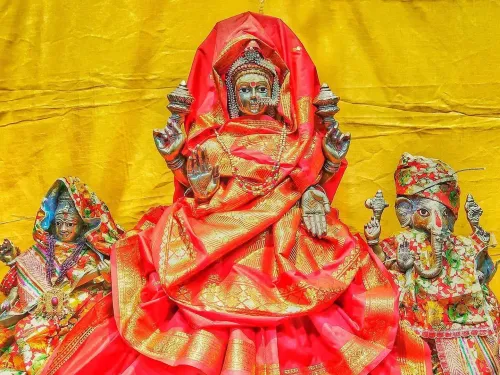
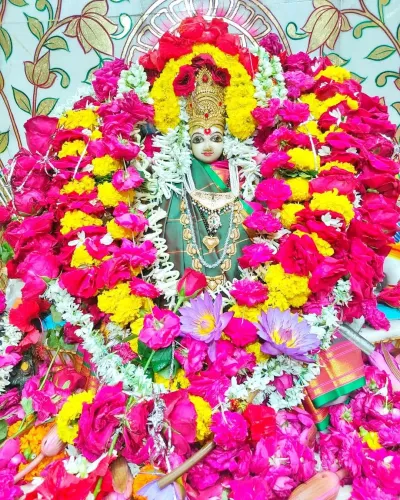
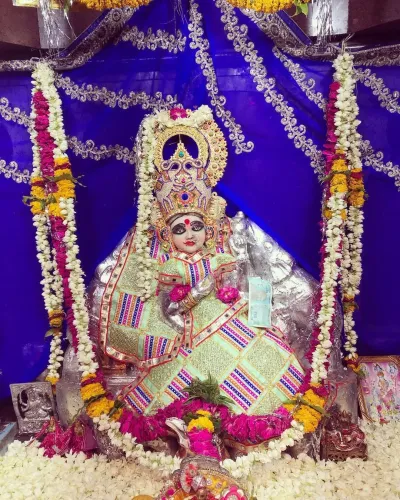
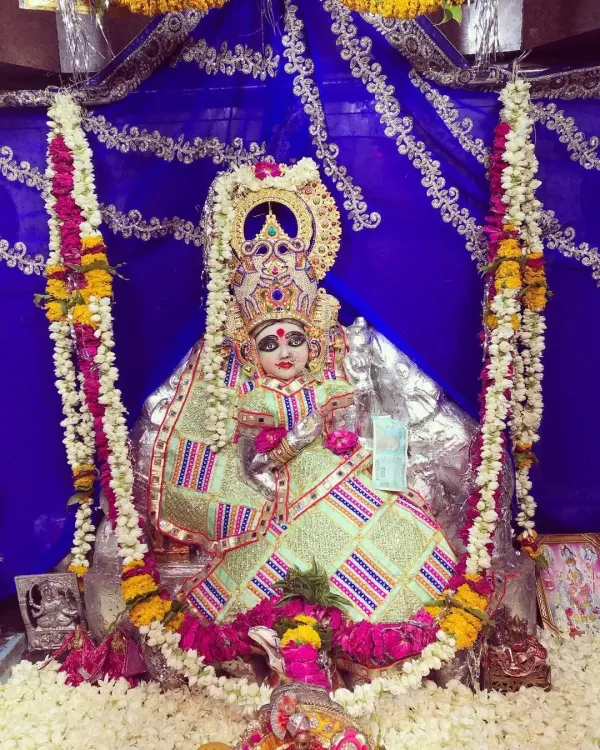
Madhya Pradesh CM Dr. Mohan Yadav invoked the blessings of Maa Lakshmi at Ratlam's Shri Mahalakshmi Temple on 30 October 2026, praying for wealth, prosperity, and happiness in every home across the state.
Key Takeaways
Mohan Yadav posted a devotional message on 30 October 2026 invoking Maa Lakshmi of Ratlam's Shri Mahalakshmi Temple .
He prayed for wealth, abundance, and good fortune for all residents of Madhya Pradesh.
Ratlam is a district in western Madhya Pradesh and home to the revered Shri Mahalakshmi Temple .
The post reflects a broader pattern of BJP -led governments promoting religious identity and temple culture through public outreach.
Madhya Pradesh has actively pursued religious tourism and temple infrastructure development under BJP governance.
As the season of lights casts its glow across Madhya Pradesh, Madhya Pradesh Chief Minister Dr. Mohan Yadav turned his gaze toward Ratlam district's revered Shri Mahalakshmi Temple on Friday, 30 October 2026, offering a public prayer for prosperity and happiness in every home.
In his post, the Chief Minister opened with the invocation 'ॐ श्रीं महालक्ष्म्यै नमः' — a traditional Sanskrit salutation to Goddess Lakshmi — and prayed that through the grace of Maa Lakshmi enshrined at the Ratlam temple, every household be blessed with wealth, abundance, and good fortune. 'May happiness and prosperity remain ever-present in each home,' he wrote.
Ratlam's Shri Mahalakshmi Temple and its significance
Ratlam, a district in western Madhya Pradesh, is home to the Shri Mahalakshmi Temple, a site of considerable local devotion. Maa Lakshmi — the Hindu goddess of wealth, fortune, and auspiciousness — draws large numbers of devotees, particularly during festivals associated with her worship. The temple stands as a focal point of religious life in the region.
Indian chief ministers, especially from BJP-led governments, routinely mark such devotional moments on social media, reinforcing cultural and religious identity with their constituencies. For Dr. Mohan Yadav, invoking a prominent temple in his state grounds the blessing in a specific, tangible place — Ratlam — rather than offering a generic national prayer.
BJP's push for temple tourism in Madhya Pradesh
The gesture sits within a broader policy direction: BJP-led state governments have actively promoted religious tourism and temple infrastructure across Madhya Pradesh. Elevated attention to temples like the one in Ratlam often precedes — or accompanies — state investment in pilgrim facilities, road connectivity, and cultural programming. Whether a formal CM visit or a state scheme for the Ratlam temple follows this public invocation is worth watching.
For now, the Chief Minister's message is a devotional one — and in a state where faith and governance frequently intersect, that message carries weight well beyond social media.
Point of View
Reminding Ratlam's voters of his cultural alignment with their local faith landscape. For BJP, devotional social media is also soft infrastructure: it builds affinity ahead of potential CM visits or state-backed temple development announcements. In a state where religious tourism has become a genuine economic pillar, a CM's public blessing is rarely just spiritual — it is also a signal of administrative attention to follow.
NationPress
30 Oct 2026
Frequently Asked Questions
Where is the Shri Mahalakshmi Temple in Madhya Pradesh?
The Shri Mahalakshmi Temple is located in Ratlam district , in western Madhya Pradesh. It is dedicated to Goddess Lakshmi and is a significant centre of local devotion.
Why did CM Mohan Yadav post about the Ratlam temple?
CM Dr. Mohan Yadav shared a devotional message on 30 October 2026 invoking the blessings of Maa Lakshmi at the Ratlam temple, praying for prosperity and happiness in every household — a gesture that aligns with the festive season of Diwali and his government's emphasis on religious and cultural identity.
What does 'ॐ श्रीं महालक्ष्म्यै नमः' mean?
It is a Sanskrit mantra meaning 'Om, salutations to Mahalakshmi' — a traditional invocation of Goddess Lakshmi , the Hindu deity of wealth, fortune, and auspiciousness.
Is Madhya Pradesh promoting religious tourism at temples like Ratlam?
Yes. BJP -led governments in Madhya Pradesh have actively promoted religious tourism and temple infrastructure. Temples across the state have received attention for pilgrim facilities and connectivity as part of broader tourism initiatives.
Who is Dr. Mohan Yadav?
Dr. Mohan Yadav is the Chief Minister of Madhya Pradesh and a senior BJP leader. He has been vocal about promoting Madhya Pradesh's religious and cultural heritage since taking office.