CM Mohan Yadav to Join Property Title Drive in Morena Village

Synopsis
Madhya Pradesh CM Dr. Mohan Yadav joins a property ownership document registration drive at Karua village, Morena district, under the Mukhya Mantri Registry Yojana — granting formal home titles to eligible rural families to spur economic activity.
Key Takeaways
Mohan Yadav personally participated in a registration drive at Karua village, Morena district on 6 November 2026 .
The Mukhya Mantri Registry Yojana provides formal ownership documents for homes to eligible rural families in Madhya Pradesh.
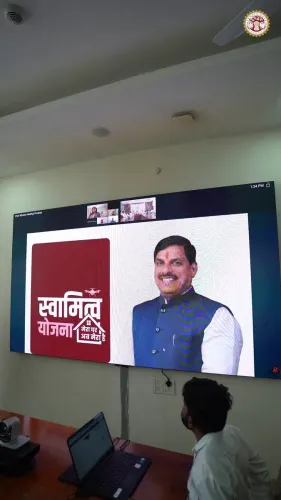
The state scheme builds on the central government's SVAMITVA scheme , launched in 2020 , which maps rural land parcels using drone technology.
Formal property titles unlock access to institutional credit and help reduce land disputes in villages.
The drive in Morena district — in the historically underserved Chambal belt — signals an intent to reach less economically developed rural zones.
Expansion to additional districts and impact on rural credit uptake are key indicators to watch.
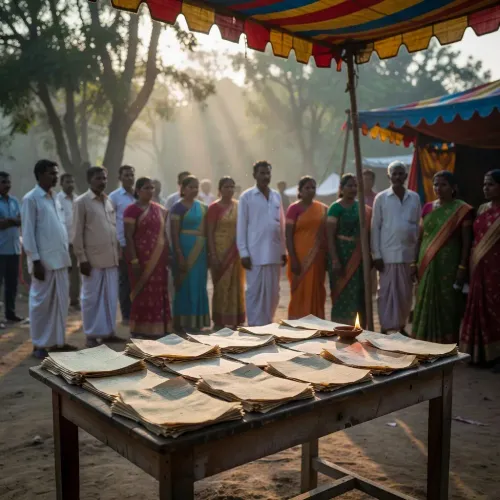
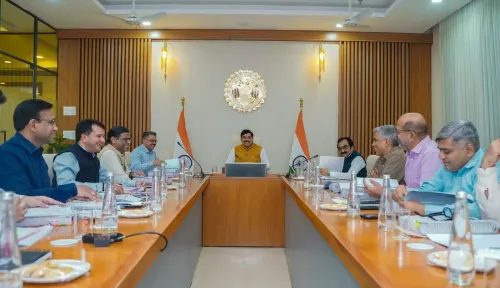
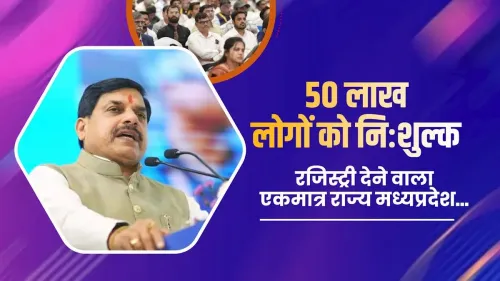
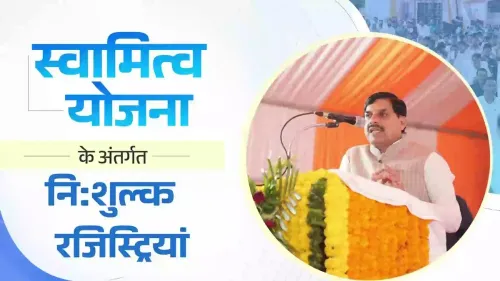
A village in northern Madhya Pradesh is at the centre of a quiet but consequential shift in rural property rights. Madhya Pradesh Chief Minister Dr. Mohan Yadav announced on Friday, 6 November 2026, that he will personally participate in a property ownership document registration drive at Karua village in Morena district — the latest step under the state's Mukhya Mantri Registry Yojana.
Posting in Hindi, the Chief Minister said: 'Aaj Morena jile ke Karua gaon mein Mukhya Mantri Registry Yojana ke antargat swamitva dastaavezon ke panjeeyan abhiyan mein sahbhagita karunga' — 'Today I will participate in the registration campaign for ownership documents under the Chief Minister Registry Scheme in Karua village, Morena district.' He added that the scheme, which grants eligible village-dwelling families formal title to their homes, 'will give new momentum to economic prosperity in rural areas.'What the Mukhya Mantri Registry Yojana does for rural families
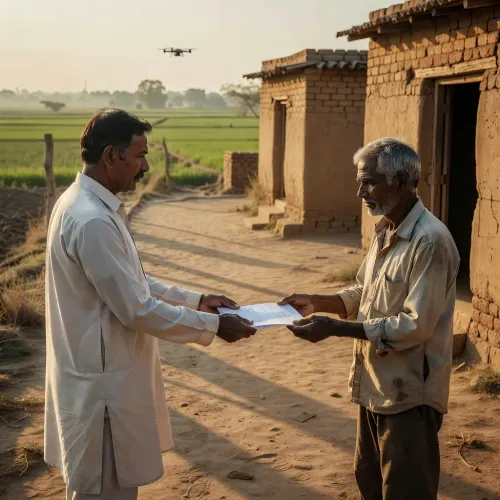
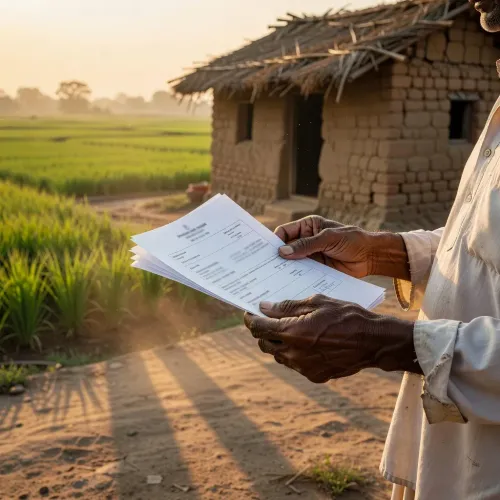
At its core, the scheme converts informal homesteads into legally recognised assets. Eligible rural families receive formal ownership documents — a seemingly simple step with far-reaching consequences. Without registered title, a home cannot be used as collateral for a bank loan, cannot be inherited without dispute, and offers its occupants no legal shield against encroachment.
The state drive builds on the architecture of the central government's SVAMITVA scheme, launched in 2020, which uses drone technology to survey and map rural land parcels before issuing property cards. Madhya Pradesh's approach layers a state-level registration and documentation campaign on top of that mapping foundation — taking the asset from digital record to legally enforceable ownership deed.
Morena as a test case for wider rural formalisation
The choice of Morena district, in Madhya Pradesh's historically underserved Chambal belt, signals that the drive is not confined to economically active or already-developed zones. Land disputes and unclear tenure have long constrained rural credit access and economic mobility across this region.
Across India, states have increasingly moved to formalise rural property rights through titling programmes, recognising that land records modernisation is as much an economic tool as an administrative one. A formal title unlocks institutional credit, reduces court-clogging disputes, and gives rural households a tangible stake — literally on paper — in the broader economy.
The Chief Minister's physical presence at a village-level registration camp, rather than a formal launch ceremony, underscores the operational push: the goal is not announcement but documentation, one family title at a time.
How quickly the drive expands to other districts — and whether it translates into measurable changes in rural credit uptake — will determine whether Karua village marks a turning point or a single data point.
Point of View
One that the BJP has championed through the SVAMITVA scheme since 2020. For Madhya Pradesh, extending this into the Chambal belt signals a deliberate attempt to convert historically marginalised terrain into a constituency for economic reform. The long-term test will be whether formal title actually shifts credit access and dispute rates — results that will define whether this is lasting policy or performative outreach.
NationPress
6 Nov 2026
Frequently Asked Questions
What is the Mukhya Mantri Registry Yojana in Madhya Pradesh?
The Mukhya Mantri Registry Yojana is a Madhya Pradesh state scheme that provides formal ownership documents for homes to eligible rural families, helping them establish legal title to their properties and access economic benefits such as institutional credit.
What is the SVAMITVA scheme and how is it related?
SVAMITVA is a central government scheme launched in 2020 that uses drone technology to survey and map rural land parcels and issue property cards. Madhya Pradesh's Mukhya Mantri Registry Yojana builds on this mapping infrastructure with state-level registration drives to convert records into legally enforceable ownership deeds.
Where did CM Mohan Yadav attend the registration drive?
CM Dr. Mohan Yadav attended the ownership document registration drive at Karua village in Morena district in northern Madhya Pradesh on 6 November 2026 .
Why is rural property registration important for villagers?
A formal property title allows rural families to use their home as collateral for bank loans, reduces land disputes, ensures smoother inheritance, and provides legal protection against encroachment — all of which contribute to economic mobility.
Will the Mukhya Mantri Registry Yojana expand to other districts in MP?
While CM Yadav's participation in Morena signals active rollout, the expansion to additional districts and any measurable changes in rural credit uptake or dispute resolution are the key developments to watch in the coming months.