Giriraj Singh Backs New Delhi Housing Policy for Slum Families
Synopsis
Union Textiles Minister Giriraj Singh praised a new housing policy for Delhi's slum dwellers on 6 November 2026, calling it a major step toward dignified living and linking it to PM Modi's 'Sabka Saath, Sabka Vikas' vision. The move builds on the PMAY-Urban framework launched in 2015.
Key Takeaways
Union Textiles Minister Giriraj Singh on 6 November 2026 publicly backed a new housing policy for Delhi's slum-dwelling families.
The minister linked the initiative directly to PM Narendra Modi 's 'Sabka Saath, Sabka Vikas' inclusive-development doctrine.
Delhi's slum rehabilitation history includes the JNNURM (2005-2014) and the Pradhan Mantri Awas Yojana (Urban), launched June 2015 .
Effective delivery has historically required coordination between the Centre, Delhi Development Authority, and municipal bodies — a process that has slowed past schemes.
Pucca homes unlock secondary benefits for slum families: formal addresses enable access to bank accounts, school enrolments, and health entitlements.
Specific beneficiary counts, funding allocations, and timelines for the new policy have not yet been officially detailed.
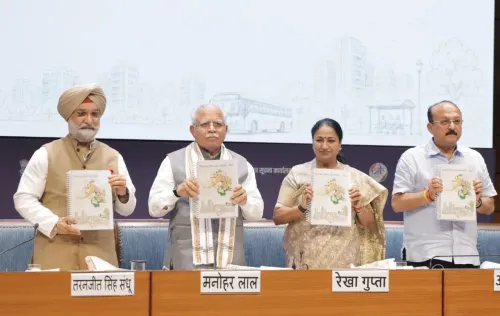
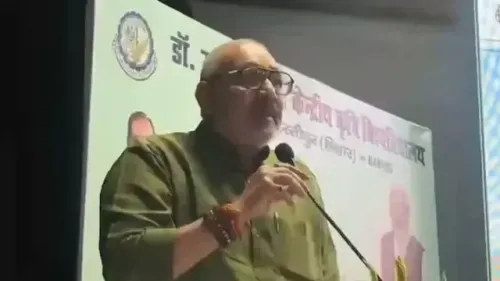
For the millions of families packed into Delhi's sprawling jhuggi-jhopdi clusters, the promise of a permanent roof has long felt like a mirage — but Union Textiles Minister Giriraj Singh declared on Friday, 6 November 2026 that the dream is finally moving toward reality, hailing a new housing policy for the capital's urban poor as a landmark stride in dignified living.
Posting on X in Hindi, the senior BJP leader framed the initiative squarely within Prime Minister Narendra Modi's signature 'Sabka Saath, Sabka Vikas' — 'Together with all, development for all' — doctrine: 'The new housing policy, advancing PM Modi's resolve, is a big step toward a dignified and secure life.'
Delhi's Slum Challenge and the Push for Pucca Homes
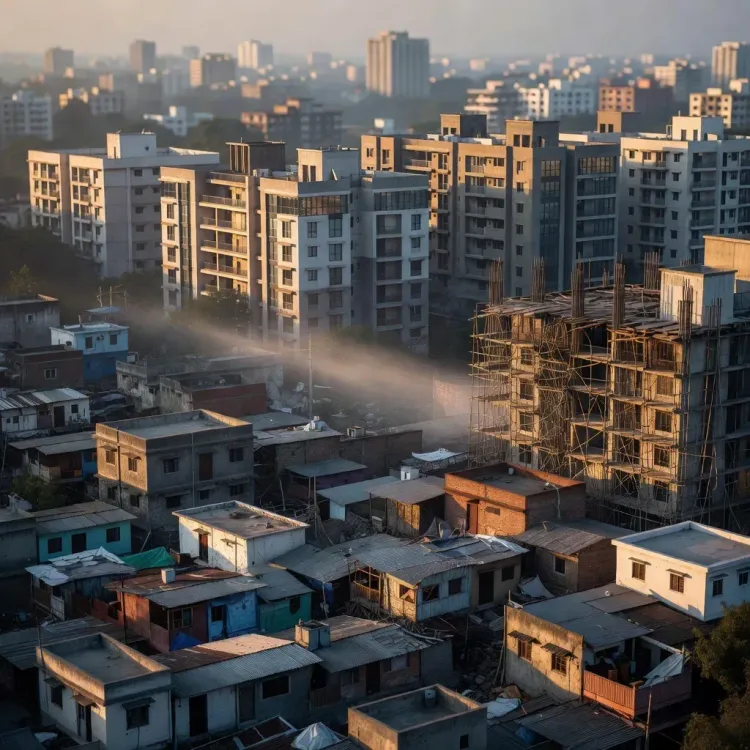
Delhi's informal settlements house lakhs of households with little legal tenure or civic infrastructure — a challenge that has outlasted multiple governments and multiple missions. The city's slum rehabilitation story stretches back to the Jawaharlal Nehru National Urban Renewal Mission (JNNURM), which ran from 2005 to 2014 and channelled central funds into basic services and housing for urban slums. But on-ground delivery repeatedly fell short of targets.
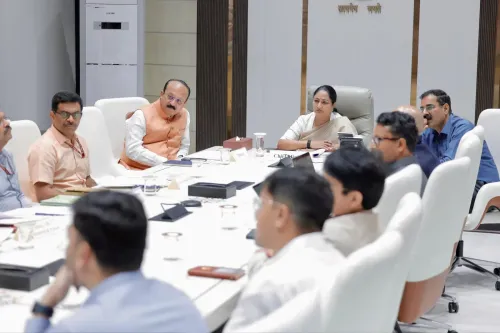
The pivot came with the Pradhan Mantri Awas Yojana (Urban), launched in June 2015, which introduced a beneficiary-linked, in-situ rehabilitation model aimed at converting slum land into planned housing clusters. Delhi interventions under PMAY-U have historically required tight coordination between the central government, the Delhi Development Authority (DDA), and municipal bodies — a trilateral tangle that has slowed delivery.
What Singh's Signal Means for Urban Poor Families
Singh's post stops short of detailing beneficiary counts, funding allocations, or timelines — the specifics that will determine whether this policy cycle breaks from earlier cycles. What it does signal is political ownership at the Union Cabinet level: a senior minister publicly anchoring the initiative to the PM's brand equity raises the stakes for follow-through.
The broader pattern across successive central governments has been a gradual shift from open-ended mission spending toward integrated, beneficiary-linked delivery — tighter targeting in theory, but dependent on updated slum surveys, state cooperation, and expedited land clearances in a city where every square metre carries enormous legal and political weight.
If the new policy delivers on its promise, millions of Delhi families stand to move from precarious, often flood-prone jhuggi settlements into registered, structurally sound homes — with formal addresses that unlock bank accounts, school enrolments, and health entitlements that informal tenure has long denied them. That is the real stakes hiding inside a single minister's post.
Point of View
Wrapping it in PM Modi's inclusive-development brand ahead of what remains a politically competitive terrain in the capital. The invocation of 'Sabka Saath, Sabka Vikas' signals that the BJP wants credit for urban housing gains to register at the Centre, not merely with the Delhi administration. This follows a consistent pattern of Union ministers amplifying Delhi-specific welfare moves to consolidate the party's outreach among the urban poor — a vote bloc that has historically been difficult for the BJP to hold in Delhi assembly contests. Whether the policy delivers pucca homes at scale will ultimately depend on the DDA-municipal coordination mechanisms that have derailed earlier schemes.
NationPress
6 Nov 2026
Frequently Asked Questions
What is the new Delhi housing policy Giriraj Singh mentioned?
Giriraj Singh referred to a new housing policy aimed at providing pucca, permanent homes to lakhs of families living in Delhi's slum clusters. Full details of its beneficiary lists and funding have not yet been officially disclosed.
What is Pradhan Mantri Awas Yojana Urban and how does it relate to Delhi slums?
The Pradhan Mantri Awas Yojana (Urban), launched in June 2015, is a central government scheme for housing the urban poor, including in-situ slum rehabilitation. Delhi projects under PMAY-U involve coordination between the Centre, the Delhi Development Authority, and municipal bodies.
What does 'Sabka Saath, Sabka Vikas' mean?
'Sabka Saath, Sabka Vikas' is a Hindi phrase meaning 'Together with all, development for all' — Prime Minister Narendra Modi's signature inclusive-development slogan since 2014.
Who is Giriraj Singh?
Giriraj Singh is India's Union Minister of Textiles, a senior BJP leader, and a Lok Sabha MP representing Begusarai constituency in Bihar.
How many people live in Delhi's slums?
Lakhs of families reside in Delhi's informal jhuggi-jhopdi settlements. Exact figures vary by survey, but official estimates consistently place the number in the hundreds of thousands of households across the national capital territory.