Delhi slum rehabilitation: 3 lakh families eligible after 2025 cut-off
Synopsis
Delhi has effectively redrawn its urban housing map: by shifting the slum rehabilitation cut-off from 2015 to January 2025, CM Rekha Gupta's government has made 3.06 lakh households across 675 clusters eligible for resettlement — the most sweeping expansion of Delhi's slum welfare net in over a decade.
Key Takeaways
Delhi CM Rekha Gupta on 23 June extended slum rehabilitation eligibility to clusters established up to 1 January 2025 , replacing the earlier 2015 cut-off.
The decision was taken at the 36th DUSIB meeting and is anchored in the Delhi Slum and JJ Rehabilitation and Relocation Policy, 2026 .
Delhi has 675 slum clusters with approximately 3.06 lakh dwellings spread over 804.5 hectares .
50% of slum land belongs to DDA ; South-East Delhi has the highest concentration with 144 clusters .
About 50,000 unoccupied flats are to be renovated and allotted to eligible slum dwellers.
A ban on slum demolitions without prior rehabilitation has been in force since August last year .
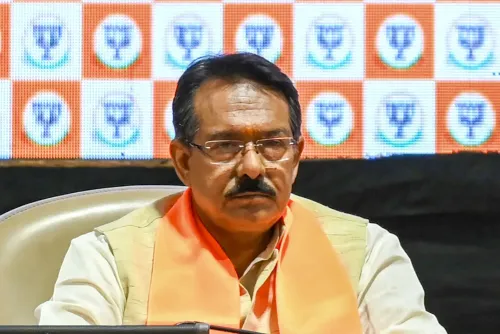
Delhi Chief Minister Rekha Gupta on Tuesday, 23 June announced that residents of all slum clusters established in the capital up to 1 January 2025 will now be eligible for rehabilitation benefits — a significant expansion of the city's housing welfare net that could bring lakhs of slum-dwelling families into the fold for the first time.
Key Decision at DUSIB Meeting
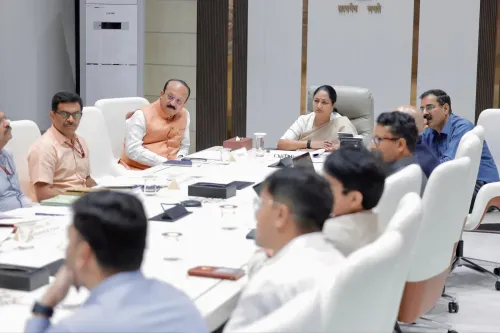
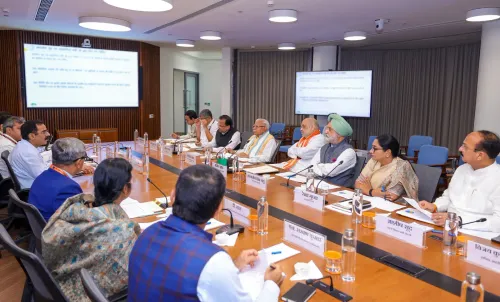
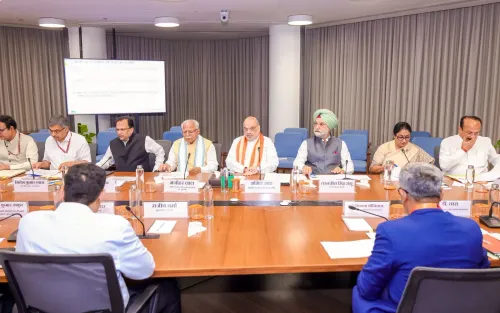
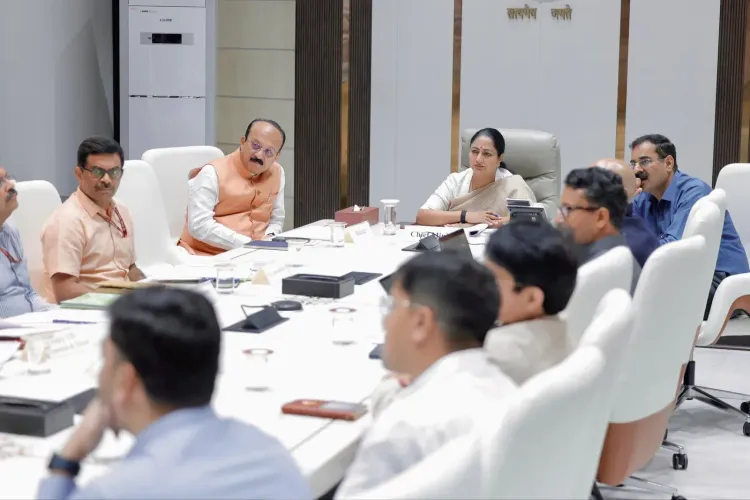
The announcement was made at the 36th meeting of the Delhi Urban Shelter Improvement Board (DUSIB), chaired by CM Gupta. The decision aligns with the Delhi Slum and JJ Rehabilitation and Relocation Policy, 2026, which was finalised under the guidance of Union Home Minister Amit Shah, according to the Chief Minister.
Until now, 2015 served as the eligibility cut-off year for rehabilitation. The new cut-off of 1 January 2025 marks a decade-long extension of coverage, potentially transforming the housing prospects of a large section of Delhi's urban poor.
Scale of Delhi's Slum Challenge
Delhi has 675 slum clusters spread across its districts, comprising approximately 3.06 lakh slum dwellings over a total area of 804.5 hectares. About 50 per cent of these slums are located on Delhi Development Authority (DDA) land, while around 23 per cent are on government, public sector, or private land. Another 22 per cent fall on land owned by agencies such as the Municipal Corporation of Delhi (MCD) and DUSIB.
South-East Delhi accounts for the highest concentration with 144 clusters, followed by North Delhi with 109, Central Delhi with 92, and West Delhi with 68. Shahdara has 54 clusters, New Delhi district 49, South-West Delhi 46, and East Delhi 43. North-West Delhi houses 34, South Delhi 30, and North-East Delhi just six clusters.
What the Government Said
In a post on X, CM Gupta said: 'The rehabilitation decision is in line with the Delhi Slum and JJ Rehabilitation and Relocation Policy, 2026, finalised under the guidance of Union Home Minister Shah.'
She added that the move 'will bring lakhs of slum-dwelling families within the ambit of rehabilitation and renewed hope,' and framed it as advancing Prime Minister Narendra Modi's commitment to welfare of the poor. The policy envisions modern housing with schools, health centres, anganwadis, playgrounds, and other essential amenities.
No Demolitions Without Rehabilitation
This announcement builds on a directive CM Gupta issued in August last year, ordering a suspension of all slum demolitions without prior rehabilitation. She had instructed the Railways, DDA, and all government departments to ensure no slum in Delhi is razed without alternative housing being provided in advance.
The government has also committed to renovating approximately 50,000 unoccupied flats in the city's outer areas and allotting them to eligible slum dwellers — a move aimed at ensuring families are resettled within or near their existing localities wherever possible.
What Comes Next
With the policy framework now in place, implementation will hinge on DUSIB's capacity to survey, verify, and process eligibility for a potential beneficiary pool spanning 3.06 lakh households. Observers will watch whether the no-demolition directive holds in practice, particularly in areas where DDA or infrastructure projects may necessitate land clearance. The depth and pace of rehabilitation will determine whether this policy shift translates into durable housing security for Delhi's urban poor.
Point of View
But the harder question is administrative: DUSIB has historically struggled to process even existing beneficiary lists at scale. With 3.06 lakh households now potentially eligible and 50 per cent of the land owned by DDA — an agency with its own development pressures — the no-demolition directive will face its real test when infrastructure projects collide with slum clusters. The policy also arrives ahead of a politically charged period in Delhi, which raises a legitimate question about whether the implementation machinery will be funded and staffed to match the ambition of the announcement.
NationPress
21 Sept 2026
Frequently Asked Questions
What is the new Delhi slum rehabilitation cut-off date?
The new cut-off is 1 January 2025 , meaning residents of all slum clusters established in Delhi up to that date are now eligible for rehabilitation benefits. This replaces the earlier cut-off of 2015 , expanding coverage by a decade.
How many slum dwellers are affected by this decision?
Delhi has 675 slum clusters comprising approximately 3.06 lakh slum dwellings across 804.5 hectares . The extension of the cut-off is expected to bring lakhs of additional families within the ambit of rehabilitation for the first time.
What is the Delhi Slum and JJ Rehabilitation and Relocation Policy, 2026?
It is the policy framework under which the rehabilitation decision was taken, finalised under the guidance of Union Home Minister Amit Shah . It governs how slum clusters in Delhi are surveyed, classified, and made eligible for resettlement, with a focus on in-situ rehabilitation and provision of amenities such as schools, health centres, and anganwadis.
Will slum demolitions continue in Delhi?
CM Rekha Gupta ordered a suspension of slum demolitions without prior rehabilitation in August last year , directing the Railways , DDA , and all government departments to ensure no slum is razed without alternative housing being arranged in advance. In unavoidable cases linked to development projects, residents must be resettled before demolition proceeds.
Where are most of Delhi's slum clusters located?
South-East Delhi has the highest number with 144 clusters , followed by North Delhi ( 109 ), Central Delhi ( 92 ), and West Delhi ( 68 ). About 50 per cent of all slum land is on DDA property.