Delhi slum rehabilitation: 675 clusters, 3.06 lakh homes to benefit under DUSIB ruling
Synopsis
Delhi's DUSIB has drawn a firm line: every slum cluster in existence on January 1, 2025 — all 675 of them, housing over 3 lakh families across 804.5 hectares — is now eligible for rehabilitation. The scale is staggering, but the harder question is whether an eligibility ruling translates into actual homes.
Key Takeaways
The Rekha Gupta -led government approved rehabilitation benefits for all 675 slum clusters in Delhi existing up to January 1, 2025 .
The clusters cover approximately 3.06 lakh dwellings spread over 804.5 hectares .
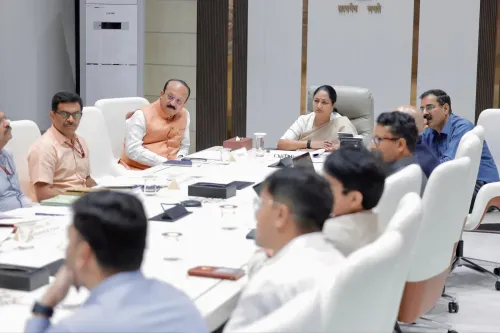
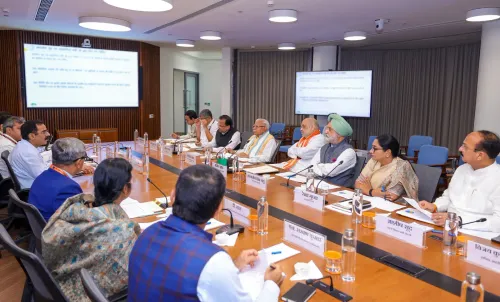
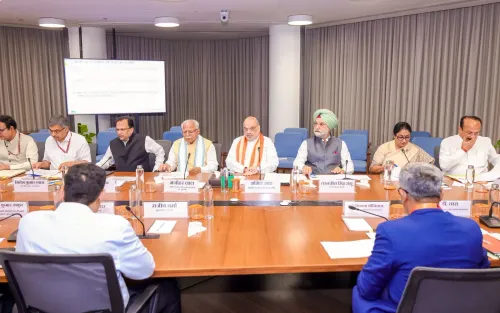
The decision was taken at the 36th DUSIB meeting chaired by Chief Minister Rekha Gupta .
South-East Delhi has the highest cluster count at 144 ; North-East Delhi the lowest at 6 .
Around 50 per cent of slum land belongs to the DDA ; 22 per cent to MCD and DUSIB .
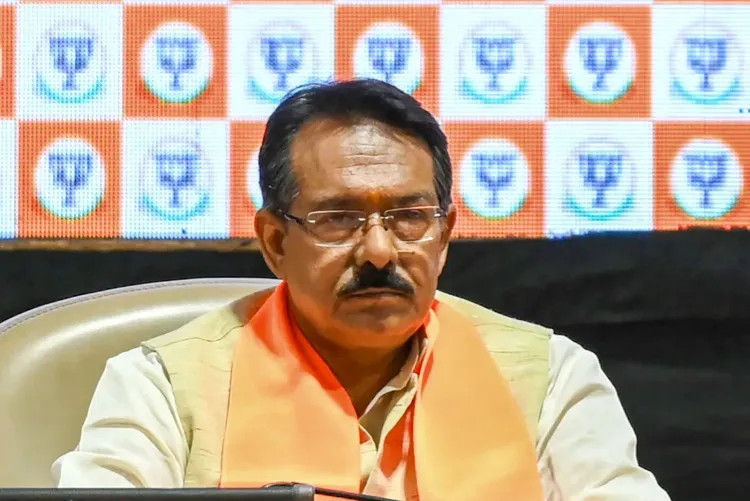
Delhi BJP President Harsh Malhotra said the move fulfils a promise made in the party's January 2025 Sankalp Patra , delivered within 16 months .
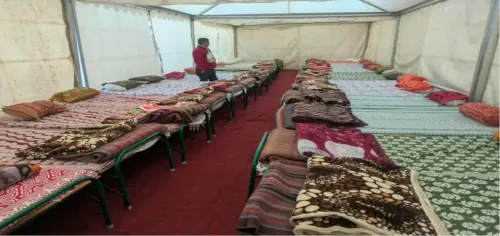
The Rekha Gupta-led Delhi government has extended rehabilitation benefits to residents of all slum settlements established in the capital up to January 1, 2025, covering 675 slum clusters and approximately 3.06 lakh dwellings spread across 804.5 hectares. The decision, taken at the 36th meeting of the Delhi Urban Shelter Improvement Board (DUSIB) chaired by Chief Minister Gupta, marks a significant expansion of the city's urban housing policy.
What the Decision Covers
All slum clusters in Delhi that were in existence on or before January 1, 2025 will now be eligible for rehabilitation benefits under the DUSIB framework. The 675 clusters span multiple districts, with South-East Delhi accounting for the highest concentration at 144 clusters, followed by North Delhi with 109, Central Delhi with 92, and West Delhi with 68.
Other districts include Shahdara with 54 clusters, New Delhi with 49, South-West Delhi with 46, East Delhi with 43, North-West Delhi with 34, South Delhi with 30, and North-East Delhi with 6.
Land Distribution Across Clusters
Of the total slum area, approximately 50 per cent of clusters are situated on land owned by the Delhi Development Authority (DDA). Around 23 per cent fall on government, public sector, or private land, while the remaining 22 per cent are on land belonging to agencies such as the Municipal Corporation of Delhi (MCD) and DUSIB itself. This complex land ownership matrix has historically complicated rehabilitation timelines in the capital.
BJP Links Decision to Election Promise
Delhi Bharatiya Janata Party (BJP) President Harsh Malhotra on Tuesday, 23 June welcomed the announcement, stating that the move fulfils a commitment made in the party's Sankalp Patra ahead of the January 2025 Assembly elections. He noted that the BJP had explicitly promised rehabilitation for residents of all slum settlements in Delhi, and that the government has delivered on that pledge within 16 months of taking office.
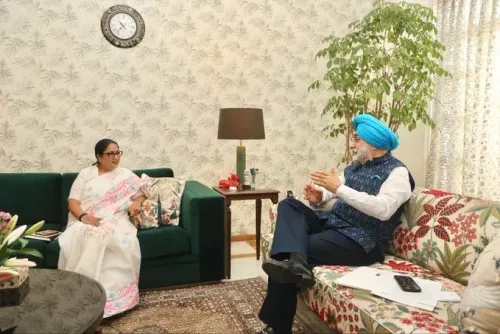
Malhotra also said the decision followed a meeting held last week with Union Home Minister Amit Shah, attributing the policy direction to the broader guidance of Prime Minister Narendra Modi.
Context and What Comes Next
Delhi's slum rehabilitation challenge is one of the most complex in urban India, given the overlapping jurisdictions of the DDA, MCD, DUSIB, and various central government land agencies. The DUSIB meeting's decision sets the eligibility cutoff but does not, by itself, determine the pace or form of rehabilitation — whether in-situ redevelopment or relocation — which will depend on land ownership in each cluster.
This comes amid a broader push by the Centre and state governments to address urban housing deficits under the Pradhan Mantri Awas Yojana (PMAY) framework. Notably, the sheer scale — over 3 lakh households across nearly 805 hectares — means implementation will unfold over several years. Residents' groups and urban planners will be watching closely to see whether the eligibility expansion translates into ground-level action.
Point of View
But the real bottleneck is land: with half the clusters on DDA land and a further 22 per cent split between MCD and DUSIB, inter-agency coordination will determine whether 3.06 lakh families see new housing or another waiting list. The BJP's 16-month claim is technically accurate on the eligibility ruling, but the party's own Sankalp Patra promised rehabilitation, not merely eligibility — a distinction residents will be quick to notice if ground-level work stalls.
NationPress
22 Sept 2026
Frequently Asked Questions
What did the DUSIB decide at its 36th meeting on slum rehabilitation in Delhi?
The DUSIB, chaired by Chief Minister Rekha Gupta, decided that all slum clusters in Delhi established up to January 1, 2025 will be eligible for rehabilitation benefits. This covers 675 clusters housing approximately 3.06 lakh dwellings across 804.5 hectares.
How many slum clusters does Delhi have, and where are most of them located?
Delhi has 675 slum clusters in total. South-East Delhi has the highest concentration with 144 clusters, followed by North Delhi with 109 and Central Delhi with 92. North-East Delhi has the fewest, with just 6 clusters.
Who owns the land on which Delhi's slums are located?
Approximately 50 per cent of slum clusters sit on DDA land, around 23 per cent on government or private land, and about 22 per cent on land owned by the MCD and DUSIB. This multi-agency ownership is a key factor in determining rehabilitation timelines.
What is the BJP's Sankalp Patra and how does it relate to this decision?
The Sankalp Patra was the BJP's election manifesto released ahead of the January 2025 Delhi Assembly elections, in which the party promised rehabilitation for residents of all slum settlements. Delhi BJP President Harsh Malhotra said Tuesday's DUSIB decision fulfils that pledge within 16 months of the government taking office.
What role did Union Home Minister Amit Shah play in this decision?
According to Delhi BJP President Harsh Malhotra, the announcement followed a meeting held last week with Union Home Minister Amit Shah, suggesting the decision had backing at the central level, though the formal ruling was made at the DUSIB board meeting chaired by Chief Minister Rekha Gupta.