Delhi Master Plan 2047 unveiled: 30-40 lakh homes, new economy zones for 3.2 cr residents
Synopsis
Delhi's long-awaited MPD-2047 is finally here — and it's more than a zoning document. With a 30-to-40-lakh-homes target, space for data centres and startup hubs, and a framework for slum-to-pucca redevelopment, the plan is a bet on reshaping the capital before its population hits 3.2 crore. The real test is execution, not vision.
Key Takeaways
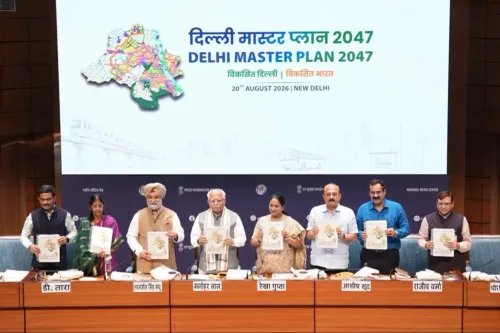
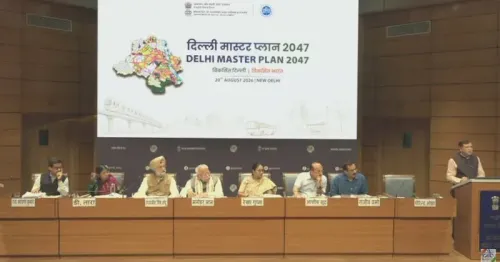
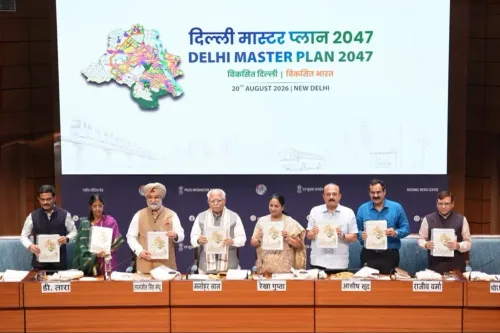
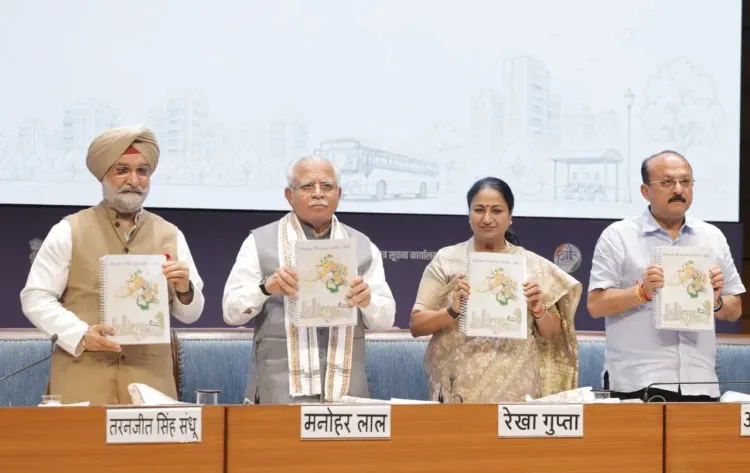
Delhi Master Plan 2047 (MPD-2047) was unveiled on 20 August , hailed by CM Rekha Gupta as a historic development milestone.
The plan targets 30 to 40 lakh new homes with a focus on affordable housing, ahead of Delhi's projected population of 3.2 crore by 2047 .
Commercial activity will be encouraged on roads 30 metres and wider ; development rules have been simplified.
New economy sectors — data centres , startup hubs , co-working spaces , and cloud kitchens — are formally included in the planning framework.
The 'Jahan Jhuggi, Wahan Makan' scheme gets a boost, aiming to redevelop slum clusters in situ.
Lieutenant Governor Taranjit Singh Sandhu confirmed commitment to transit-oriented development and vertical growth via a post on X .
Delhi Chief Minister Rekha Gupta on Thursday, 20 August hailed the unveiling of the Master Plan for Delhi 2047 (MPD-2047) as a historic milestone, calling it a comprehensive roadmap for the planned and future-oriented development of the national capital. The plan targets 30 to 40 lakh new homes and integrates new-economy sectors to prepare Delhi for a projected population of 3.2 crore by 2047.
Key Highlights of MPD-2047
The plan encompasses a wide sweep of Delhi's urban fabric — from unauthorised colonies and slum settlements to rural areas, farmhouses, the Yamuna floodplain, and educational and healthcare infrastructure. Commercial activity is to be encouraged along roads 30 metres and wider, while rules governing development have been simplified to lower barriers for builders and residents alike.
A dedicated push under the 'Jahan Jhuggi, Wahan Makan' scheme signals the Centre's intent to convert slum clusters into pucca housing in situ, addressing one of Delhi's most persistent urban challenges. Residents of several ageing residential colonies who have long awaited a structured redevelopment pathway will find a framework for that in the new plan, according to officials.
New Economy and Employment Opportunities
MPD-2047 carves out space for emerging economic activities including data centres, integrated industrial parks, co-working spaces, startup hubs, and cloud kitchens. Chief Minister Gupta said these inclusions were essential to align Delhi's planning framework with a rapidly changing economy and to generate fresh employment and entrepreneurship opportunities.
'Master Plan-2047 will provide an important foundation for positioning Delhi as a major centre for new technology, innovation and modern industries,' she said.
Political Coordination and Credit-Sharing
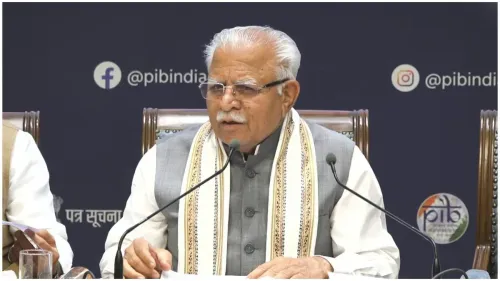
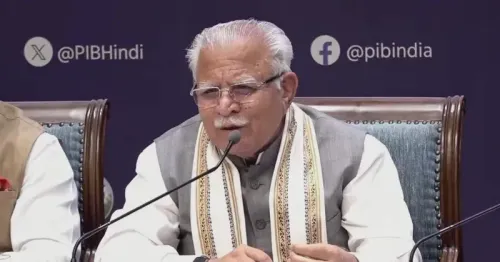
Chief Minister Gupta expressed gratitude to Prime Minister Narendra Modi, Union Housing and Urban Affairs Minister Manohar Lal, and Delhi Lieutenant Governor Taranjit Singh Sandhu, framing the plan as a product of improved coordination between the Centre and the Delhi government. 'For Delhi, this is not just a Master Plan but a vision document for development,' she said.
Lieutenant Governor Sandhu, in a post on social media platform X, said: 'Aligned with PM @narendramodi Ji's vision of Sapt-Dhara, MPD-2047 lays a robust roadmap for vertical growth, transit-oriented development, quality housing, knowledge, education and medical hubs, while preserving Delhi's rich cultural heritage.' He added that he was 'committed to translating this planning framework into visible outcomes that enhance Ease of Living and build a more sustainable, vibrant and future-ready Delhi.'
Housing at the Core
With Delhi's population projected to touch 3.2 crore by 2047, the housing target of 30 to 40 lakh new homes — with a special emphasis on affordable housing — is the plan's centrepiece. Transit-oriented development and vertical growth are expected to drive densification, reducing sprawl pressure on the city's green and agricultural belts.
What Comes Next
The MPD-2047 now moves into the implementation phase, with sectoral agencies and urban local bodies expected to align their bye-laws and development controls with the new framework. How quickly ground-level changes materialise — particularly for slum redevelopment and old colony regularisation — will determine whether the plan translates into lived improvement for Delhi's most vulnerable residents.
Point of View
And the ambition is undeniable — but ambition has never been Delhi's problem. The 30-to-40-lakh-homes target will mean little without a fast-tracked land-pooling and redevelopment mechanism; previous plans set similar targets that stalled in litigation and bureaucratic overlap between the Centre, the LG's office, and elected city government. The inclusion of data centres and cloud kitchens reflects a welcome economic realism, yet the harder question — how to regularise the nearly 1,800 unauthorised colonies that house millions — is addressed in framework terms only. The political optics of Centre-Delhi coordination are conspicuous; the durability of that coordination when land disputes and compensation rows begin will be the true measure of MPD-2047's legacy.
NationPress
5 Oct 2026
Frequently Asked Questions
What is the Delhi Master Plan 2047 (MPD-2047)?
MPD-2047 is a long-term urban development blueprint for Delhi, unveiled on 20 August, that covers housing, transport, commercial zoning, slum redevelopment, and new-economy sectors. It is designed to guide the city's growth until 2047, when Delhi's population is projected to reach 3.2 crore.
How many new homes does the Delhi Master Plan 2047 target?
The plan sets a target of 30 to 40 lakh new homes, with a special focus on affordable housing. The target is pegged to Delhi's projected population of 3.2 crore by 2047.
What new economic activities are included in MPD-2047?
MPD-2047 formally makes room for data centres, integrated industrial parks, co-working spaces, startup hubs, and cloud kitchens. Commercial activity is also to be encouraged along roads 30 metres and wider, with simplified development rules.
What is the 'Jahan Jhuggi, Wahan Makan' initiative in the context of MPD-2047?
'Jahan Jhuggi, Wahan Makan' is a housing scheme aimed at redeveloping slum clusters in situ — replacing jhuggi settlements with pucca (permanent) homes on the same land. MPD-2047 gives fresh momentum to this initiative as part of its affordable housing push.
Who oversaw the release of MPD-2047?
The plan was unveiled with the involvement of Prime Minister Narendra Modi, Union Housing and Urban Affairs Minister Manohar Lal, Delhi Lieutenant Governor Taranjit Singh Sandhu, and the Delhi government led by Chief Minister Rekha Gupta. CM Gupta credited improved Centre-Delhi coordination for the plan's finalisation.