CM Mohan Yadav Unveils Indore Economic Region 2047 Plan
Synopsis
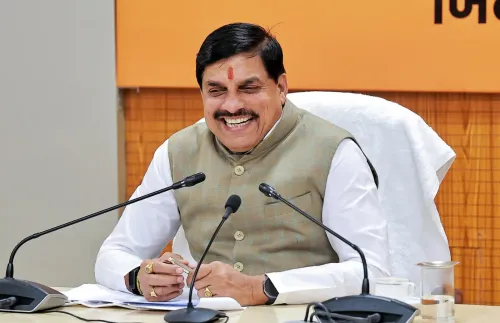
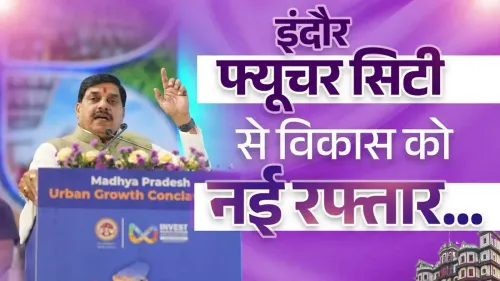
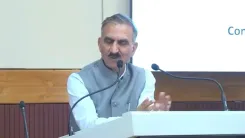
Madhya Pradesh CM Dr. Mohan Yadav unveiled the Indore Economic Region (IER)-2047 economic plan at the MP Urban Growth Conclave on October 28, 2026, outlining new townships anchored in affordable housing, renewable energy, water management, and modern transport.
Key Takeaways
Indore Economic Region (IER)-2047 economic plan report was released by CM Dr.
Mohan Yadav on October 28, 2026 .
The plan's four pillars are affordable housing , renewable energy , improved water management, and modern transport infrastructure.
New planned townships under the vision are intended to serve as an urban development model for cities across Madhya Pradesh .
The 2047 horizon aligns explicitly with the national Viksit Bharat 2047 goal adopted by multiple Indian states.
Indore was previously selected under the central Smart Cities Mission (2015) , providing an urban planning foundation for this initiative.
Key watchpoints include phased township timelines, private investment announcements, and integration with AMRUT and central housing schemes.
A city already celebrated as India's cleanest is now being handed a blueprint for its next quarter-century. Madhya Pradesh Chief Minister Dr. Mohan Yadav on Wednesday, October 28, 2026, released the economic plan report for the Indore Economic Region (IER)-2047 — a long-horizon urban development vision that frames Indore as the engine of central India's growth story.
What IER-2047 Promises Indore's Residents
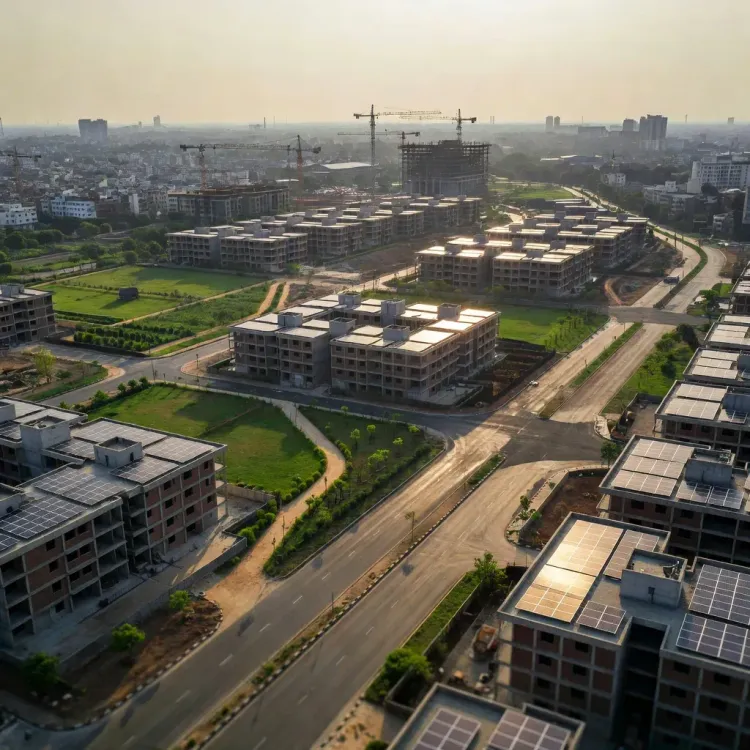
Posting on X under the hashtag #MPUrbanGrowthConclave, CM Yadav outlined four pillars of the plan: affordable housing, renewable energy, improved water management, and modern transport infrastructure. The document, he said, will guide new townships that give 'urban development a new direction' — 'विकास की नई दिशा' — to cities across Madhya Pradesh. The ambition is not simply to expand Indore but to use it as a replicable model for the state's broader urban network.
Indore as Central India's Urban Laboratory
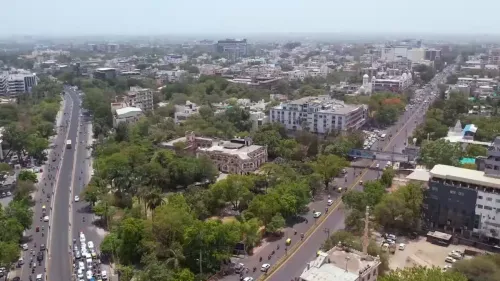
Indore is Madhya Pradesh's largest city and its commercial and logistics heartland. It was among the cities selected under the central government's Smart Cities Mission launched in 2015, giving it an early head-start in integrated urban planning. IER-2047 builds on that foundation, extending the planning horizon all the way to India's centenary of independence — a deliberate alignment with the national Viksit Bharat 2047 goal that several Indian states have now adopted as their anchor framework.
The renewable energy focus is particularly pointed: Madhya Pradesh has been expanding solar capacity, and weaving clean energy into township design from the ground up — rather than retrofitting it — marks a shift in how the state is thinking about urban infrastructure. Affordable housing, similarly, addresses a persistent gap that rapid urbanisation has widened in tier-one cities across India.
The Bigger Pattern: States Racing to 2047
Madhya Pradesh is not alone in this exercise. Across India, state governments have been releasing long-term urban vision documents timed to the 2047 milestone — but the specificity of the IER framework, anchoring a named economic region around a single high-performing city, gives this effort a sharper edge than a generic state-level aspiration document. Watchers will now look for phased implementation timelines, investment commitments from private developers, and integration with existing central schemes such as AMRUT and urban housing programmes.
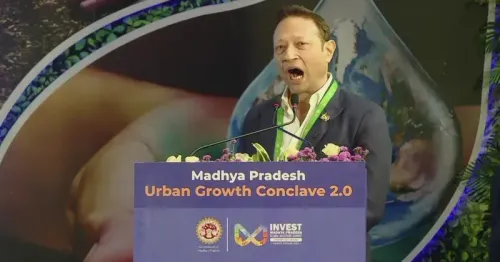
The report's release at the MP Urban Growth Conclave signals the government's intent to use the document as a live investment pitch, not just a policy filing. Whether the blueprints translate into shovels in the ground — and homes in reach of working families — is the test that follows every vision document in Indian urban governance.
For Indore, a city that has turned municipal governance into a national benchmark, the 2047 plan is the next audacious bet. The question is who builds it, and for whom.
Point of View
Anchoring the plan around Indore — a city that already carries national brand equity for cleanliness and governance — is a strategic choice: credibility by association. The real test, as with most such documents in Indian urban governance, is whether the pillars of affordable housing and renewable energy survive contact with land acquisition politics, fiscal constraints, and developer incentive structures. IER-2047 is a compelling opening move; the sequels are the story.
NationPress
28 Oct 2026
Frequently Asked Questions
What is the Indore Economic Region (IER)-2047 plan?
IER-2047 is a long-term economic and urban planning vision for the Indore region in Madhya Pradesh, with a planning horizon up to 2047. It focuses on affordable housing, renewable energy, water management, and modern transport infrastructure to guide new township development.
Who launched the IER-2047 report and when?
Madhya Pradesh Chief Minister Dr. Mohan Yadav released the IER-2047 economic plan report on Wednesday, October 28, 2026, at the MP Urban Growth Conclave.
How does IER-2047 connect to Viksit Bharat 2047?
IER-2047 aligns with the national Viksit Bharat 2047 goal — India's centenary of independence — which several Indian states have adopted as a long-range anchor for their own infrastructure and urban development plans.
Why is Indore chosen as the focus for this urban economic region?
Indore is Madhya Pradesh's largest city and a major commercial and logistics hub in central India. It was also selected under the Centre's Smart Cities Mission in 2015, giving it an established foundation for integrated urban development.
What should I watch for in IER-2047 implementation?
Key developments to track include phased township timelines, private investment commitments from real estate and infrastructure developers, and how the plan integrates with central schemes such as AMRUT and urban affordable housing programmes.