MP CM Mohan Yadav targets 20 lakh jobs, 15 new townships by 2047
Synopsis
Madhya Pradesh CM Mohan Yadav unveiled one of the state's most expansive urban blueprints at the Urban Growth Conclave 2.0 in Indore — 20 lakh jobs, up to 15 new townships, ₹2,013 crore in Urban Challenge Fund deals, and a ₹1,564 crore floating solar project — all pegged to 2047 and framed as MP's answer to Viksit Bharat.
Key Takeaways
MP CM Mohan Yadav announced a target of nearly 20 lakh jobs and 12 to 15 new townships by 2047 at the Urban Growth Conclave 2.0 in Indore on 28 October 2026 .
Urban expansion planned across 25,000 to 30,000 acres ; 'Indore Future City' project to develop approximately 5,000 acres for housing, industry, and employment.
Financial agreements worth ₹2,013 crore signed under the Urban Challenge Fund ; total investments realised in the state stand at nearly ₹12 lakh crore .
Two policy drafts released: Treated Wastewater Recycling and Reuse Policy-2026 and MP Urban Affordable Housing and Habitat Policy-2026 , with a 50% treated water reuse target by 2037 .
A 200 MW floating solar project worth ₹1,564 crore in Birsinghpur proposed to supply power to urban local bodies. 'Shri Mahakal Mahalok' in Ujjain now draws nearly seven crore annual visitors , cited as a religious tourism growth model.
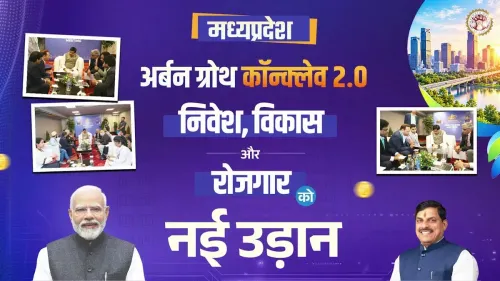
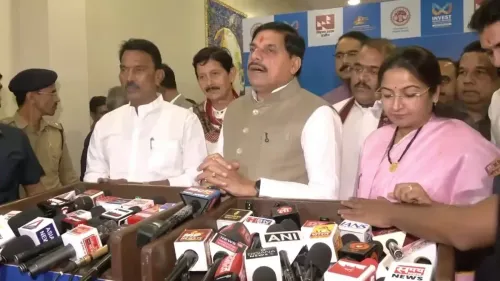
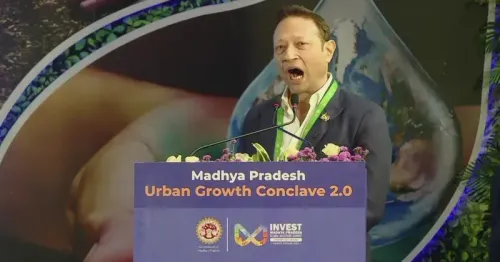
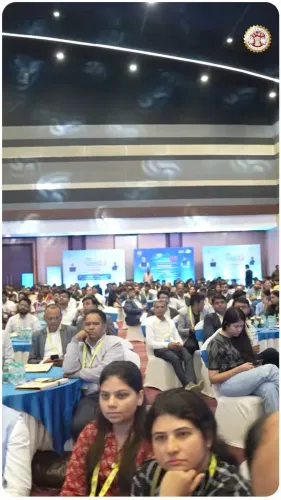
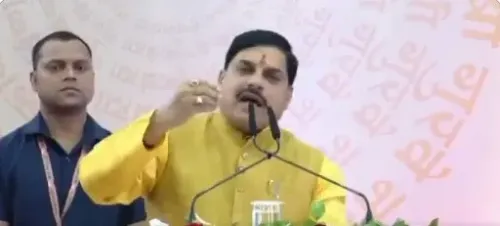
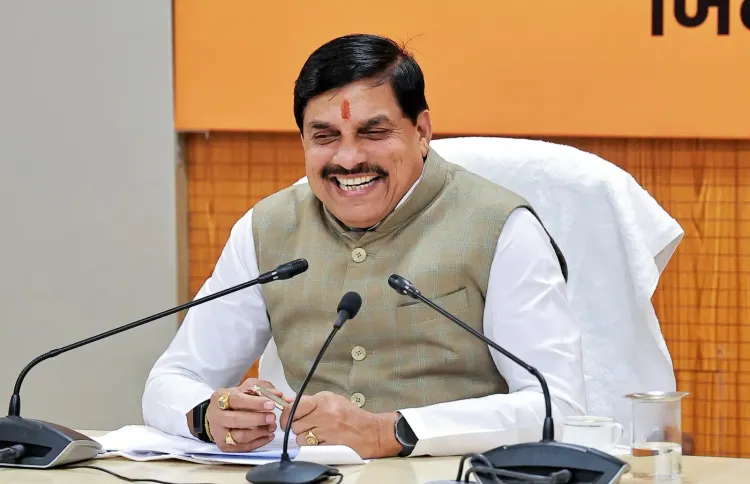
Madhya Pradesh Chief Minister Mohan Yadav on Wednesday, 28 October 2026, outlined an ambitious urban development roadmap for the state, targeting nearly 20 lakh job opportunities, 12 to 15 new townships, and planned urban expansion across 25,000 to 30,000 acres by 2047. Speaking at the Urban Growth Conclave 2.0 in Indore, Yadav said the government is committed to building modern, investment-friendly, environmentally sensitive and citizen-centric cities.
Key Announcements at the Conclave
Chief Minister Yadav released two major policy drafts during the conclave: the Treated Wastewater Recycling and Reuse Policy-2026 and the Madhya Pradesh Urban Affordable Housing and Habitat Policy-2026. A target has been set to achieve 50 per cent reuse of treated water by 2037. Financial agreements worth ₹2,013 crore were signed under the Urban Challenge Fund for urban infrastructure projects, and several MoUs were inked covering technical cooperation in industrial water reuse, solid waste management, and urban development.
Yadav said investments worth nearly ₹12 lakh crore have already been realised in the state, with further investment being sought in industrial corridors, logistics, tourism, renewable energy, water management, modern infrastructure, and advanced sectors including semiconductors. He framed these initiatives as aligned with Prime Minister Narendra Modi's vision of Viksit Bharat @2047.
Metropolitan Push for Indore, Bhopal and Ujjain
Work is progressing rapidly to develop Indore, Ujjain, and Bhopal as metropolitan cities, according to Yadav. Under the 'Indore Future City' project, approximately 5,000 acres will be developed with a focus on housing, industry, and employment. Among the flagship projects showcased were the redevelopment of around 4,600 housing units in Bhopal's Tortoise City, in-situ redevelopment of 21,255 EWS housing units in Bhopal, modernisation of the Central Vista and State Capital Complex, development of the former Hukumchand Mill land in Indore, a proposed Education, Knowledge and AI City in Bhauri, Bhopal, and an integrated temple-tourism project in Chitrakoot.
The development of 11 major temple complexes in Ujjain was also highlighted. Yadav noted that the 'Shri Mahakal Mahalok' project in Ujjain has already attracted nearly seven crore annual visitors, generating opportunities in hospitality, transport, commerce, and real estate. He also pointed to improved international air connectivity, including the Indore-Abu Dhabi flight service, as a boost to urban economic growth.
Solar Energy and Urban Finance Innovations
A Solar Round Table held during the conclave drew participation from over 20 investors, with discussions centred on solar energy deployment in urban local bodies (ULBs), reducing electricity costs, and mobilising financial resources. Madhya Pradesh Power Generating Company Managing Director Manjit Singh proposed a 200 MW floating solar project with a battery energy storage system in Birsinghpur, valued at approximately ₹1,564 crore, to supply solar power to ULBs and provide two-hour evening electricity. The meeting also discussed raising funds for nearly 200 ULBs through pooled municipal bonds.
Urban Development and Housing Commissioner Sanket Bhondve said the combination of solar energy and financial innovation would promote energy efficiency and sustainable urban growth. Proposed compressed biogas plants in five cities were also part of the green urban agenda presented at the conclave.
What the Government Said
Urban Development and Housing Minister Kailash Vijayvargiya said cities would serve as the engines of economic growth, noting that more than 50 per cent of India's population is expected to live in urban areas by 2047. He cited Indore's national cleanliness rankings as a model of public participation in urban governance. Yadav reinforced that future urban planning will integrate modern infrastructure, water security, affordable housing, and an improved quality of life — going beyond residential spaces to make cities major hubs of industry, commerce, investment, and employment.
With policy drafts released, financial agreements signed, and multiple MoUs in place, the Madhya Pradesh government's next steps will involve translating these frameworks into ground-level execution as the state pushes toward its 2047 urban transformation targets.
Point of View
While aligned with the Viksit Bharat narrative, risks deferring accountability beyond any single electoral cycle. Indore's cleanliness success is a genuine model, but replicating it across 200 ULBs through pooled municipal bonds requires a credit ecosystem that most MP towns do not yet have. The floating solar and treated water recycling targets are commendable, but whether the institutional capacity exists at the ULB level to absorb and sustain them is the real test this conclave did not address.
NationPress
28 Oct 2026
Frequently Asked Questions
What did MP CM Mohan Yadav announce at Urban Growth Conclave 2.0?
Chief Minister Mohan Yadav announced targets of nearly 20 lakh jobs, 12 to 15 new townships, and urban expansion across 25,000 to 30,000 acres in Madhya Pradesh by 2047. The announcement was made at the Urban Growth Conclave 2.0 held in Indore on 28 October 2026.
What is the 'Indore Future City' project?
The 'Indore Future City' project involves developing approximately 5,000 acres in Indore with a focus on housing, industry, and employment. It is part of the state government's broader push to develop Indore, Bhopal, and Ujjain as metropolitan cities by 2047.
What financial agreements were signed at the conclave?
Financial agreements worth ₹2,013 crore were signed under the Urban Challenge Fund for urban infrastructure projects. Several MoUs were also inked for technical cooperation in industrial water reuse, solid waste management, and urban development.
What are the new urban policies released by the MP government?
The MP government released drafts of the Treated Wastewater Recycling and Reuse Policy-2026 and the Madhya Pradesh Urban Affordable Housing and Habitat Policy-2026. A target has been set to achieve 50 per cent reuse of treated water by 2037.
What is the proposed floating solar project discussed at the conclave?
Madhya Pradesh Power Generating Company MD Manjit Singh proposed a 200 MW floating solar project with a battery energy storage system in Birsinghpur, valued at approximately ₹1,564 crore. It is designed to supply solar power to urban local bodies and provide two-hour evening electricity.