Amit Shah: Cabinet clears ₹1,856 cr Khelo India Sports Goods Scheme
Synopsis
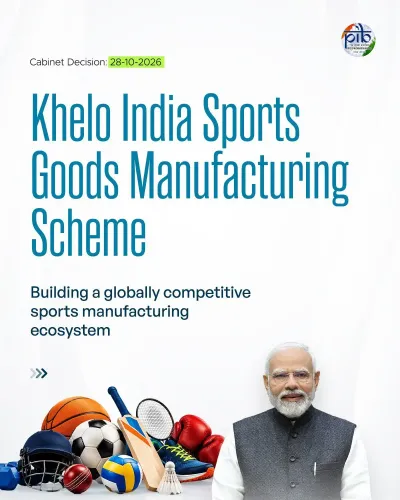
The Union Cabinet has approved the Khelo India Sports Goods Manufacturing Scheme with a ₹1,856.67 crore outlay, backing investment, technology adoption, and innovation to build a world-class domestic sports goods ecosystem under the Atmanirbhar Bharat framework.
Key Takeaways
The Union Cabinet approved the Khelo India Sports Goods Manufacturing Scheme on October 28, 2026 .
The scheme carries an outlay of ₹1,856.67 crore .
It targets investment, technology adoption, research, and innovation in sports goods manufacturing.
The initiative is framed as part of PM Modi 's Atmanirbhar Bharat self-reliance agenda.
It extends the Khelo India brand — launched in 2017 for grassroots sports development — into industrial manufacturing.
Details on manufacturing clusters and technology partnerships are expected in the months ahead.
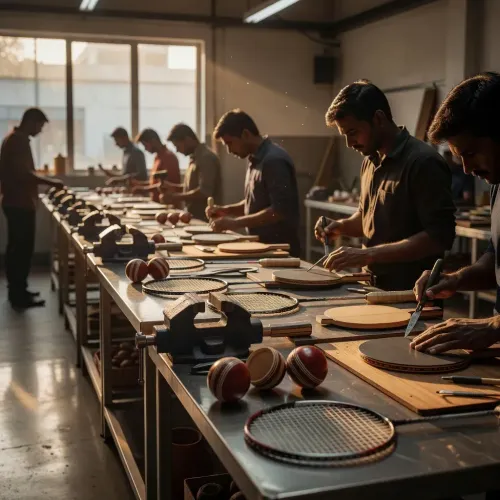
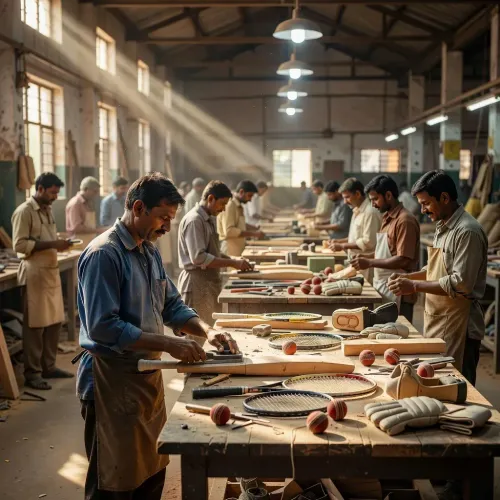
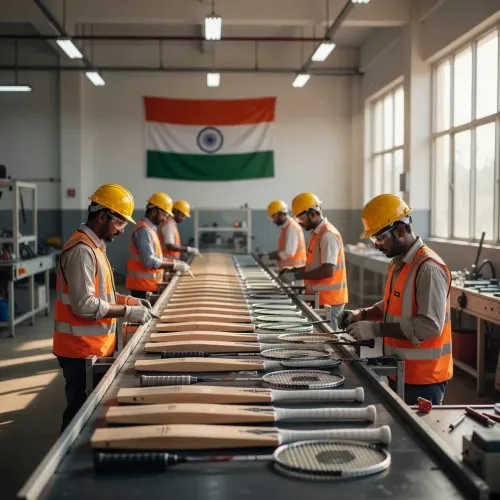
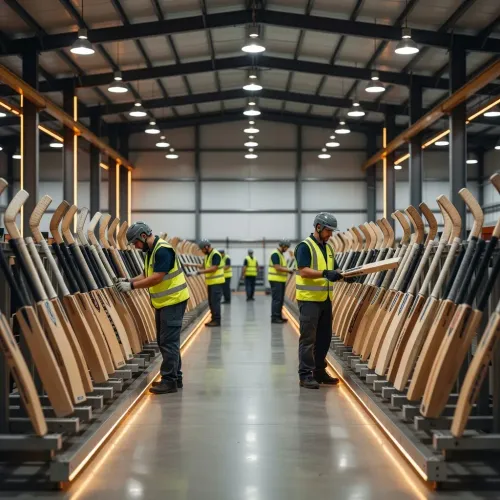
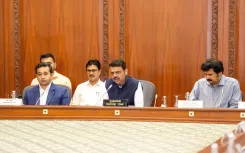
India's sports manufacturing sector just got a ₹1,856.67 crore push. The Union Cabinet on Wednesday, October 28, 2026 approved the Khelo India Sports Goods Manufacturing Scheme — a dedicated initiative to build a world-class domestic ecosystem for sports goods production, as announced by Union Home Minister Amit Shah.
What the ₹1,856.67 crore scheme targets
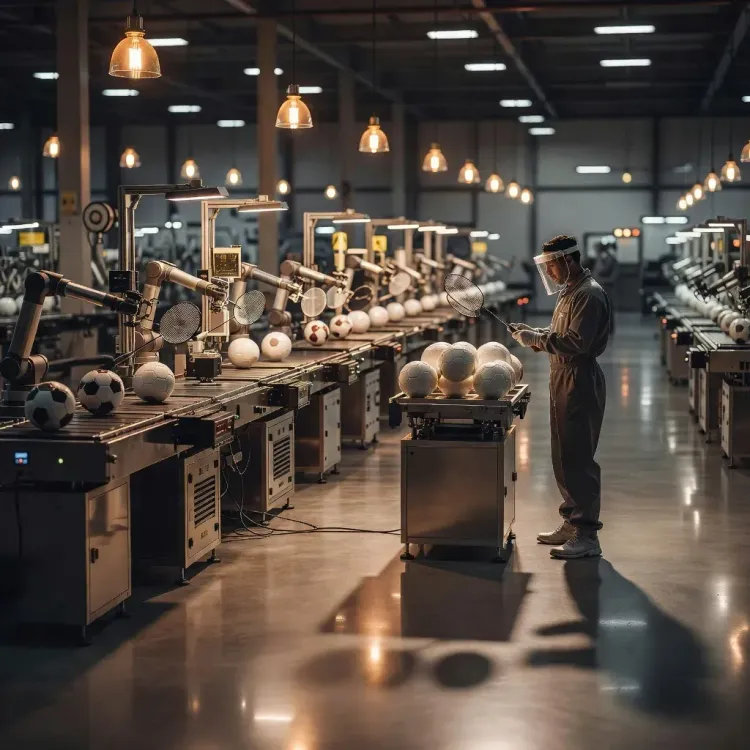
The scheme is designed to support investment, technology adoption, research, and innovation across the sports goods manufacturing value chain. Shah framed the approval as directly aligned with Prime Minister Narendra Modi's Atmanirbhar Bharat vision — the broad push to reduce import dependence and build domestic production capacity that has already swept through defence, electronics, and consumer goods sectors.
The move signals a deliberate extension of that self-reliance framework into a sector that has historically punched below its weight despite India's growing appetite for sport at every level.
Khelo India's journey from grassroots to manufacturing
The Khelo India programme, launched in 2017, was originally conceived to revive sports culture at the grassroots — identifying talent at the district level and building pathways to international competition. Folding a manufacturing scheme under the same brand marks a significant expansion: from nurturing athletes to equipping them with domestically made gear.
The logic is simple and compelling. A country that wants world-class athletes also needs a world-class supply chain behind them. Dependence on imported equipment is both a cost burden on athletes and a missed industrial opportunity.
Scheme guidelines and manufacturing clusters still to come
Specific details — including the selection of manufacturing clusters, technology transfer partnerships, and the nodal ministry's implementation timeline — are expected to follow in subsequent months. Annual sports ministry reports will be the mechanism for tracking budget utilisation and production targets going forward.
The broader Atmanirbhar Bharat arc has consistently moved this way: cabinet approval first, granular scheme guidelines shortly after. How quickly the manufacturing ecosystem responds will depend on the speed of cluster identification and the quality of technology partnerships secured.
India is not just trying to win medals — it is now building the factory floor that makes that ambition sustainable.
Point of View
But an industrial policy instrument. This follows a well-worn Atmanirbhar Bharat playbook: identify a sector with import exposure, back it with a named scheme and a headline outlay, and use the announcement to signal intent to investors and state governments simultaneously. The ₹1,856.67 crore figure is large enough to move the needle on cluster-scale manufacturing but the real test will be scheme design — whether technology transfer incentives are deep enough to attract genuine partnerships rather than superficial licensing. With implementation details still forthcoming, the gap between cabinet approval and ground-level activity will be the space to watch.
NationPress
28 Oct 2026
Frequently Asked Questions
What is the Khelo India Sports Goods Manufacturing Scheme?
It is a central government scheme approved by the Union Cabinet on October 28, 2026 , with an outlay of ₹1,856.67 crore , aimed at strengthening India's domestic sports goods manufacturing through investment support, technology adoption, research, and innovation.
How much money has been allocated to the Khelo India Sports Goods Manufacturing Scheme?
The scheme carries a total outlay of ₹1,856.67 crore as approved by the Union Cabinet.
What is Khelo India and when was it launched?
Khelo India is a flagship central programme launched in 2017 to revive grassroots sports culture, identify athletic talent from the district level upward, and build sports infrastructure across the country.
How does this scheme connect to Atmanirbhar Bharat?
The scheme is positioned as part of PM Narendra Modi 's Atmanirbhar Bharat initiative, which seeks to reduce India's dependence on imports and build domestic production capacity — an approach that has now been extended to the sports goods sector.
What comes next after the Cabinet approved the Khelo India Sports Goods Manufacturing Scheme?
Detailed scheme guidelines, identification of manufacturing clusters, and technology transfer partnership details are expected in the months following the Cabinet approval. Budget utilisation and production targets will be tracked in annual sports ministry reports.