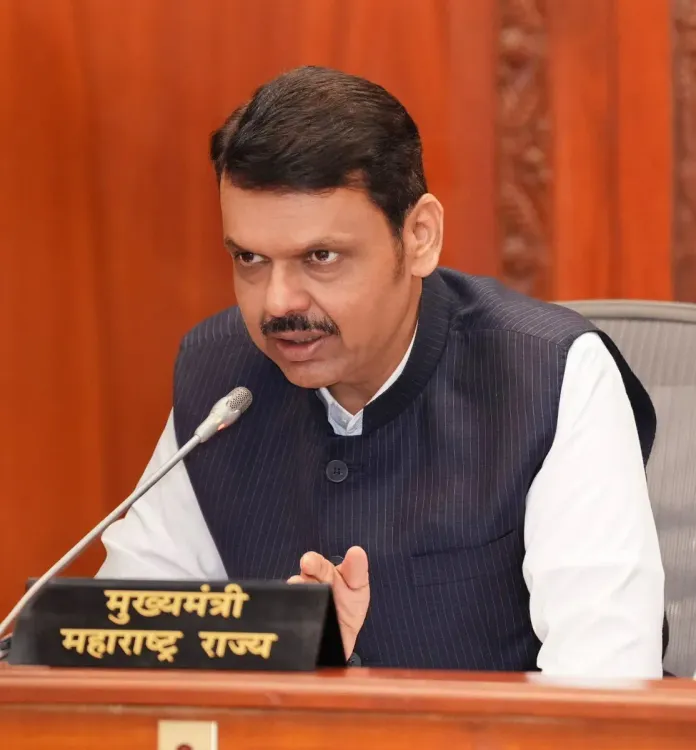
CM Fadnavis chairs scheme-survey meet at Sahyadri Guest House
Synopsis
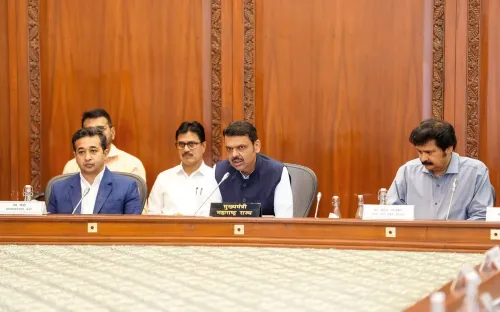
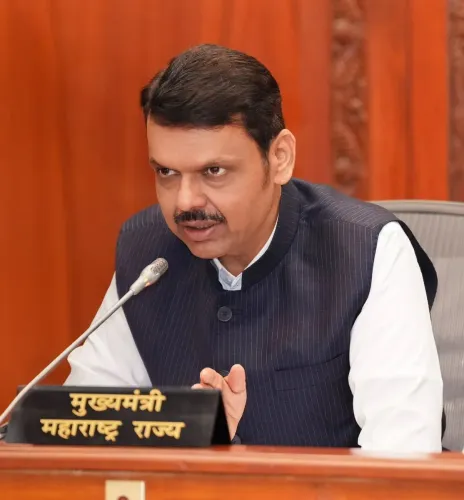
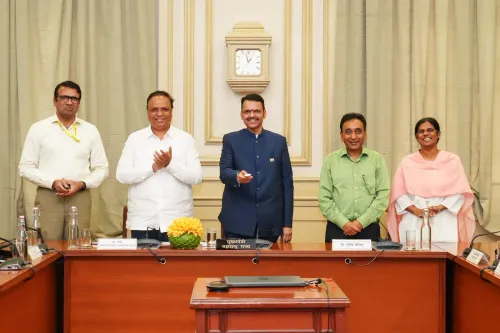
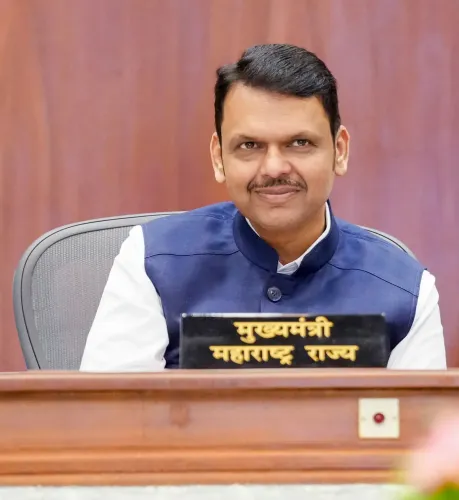
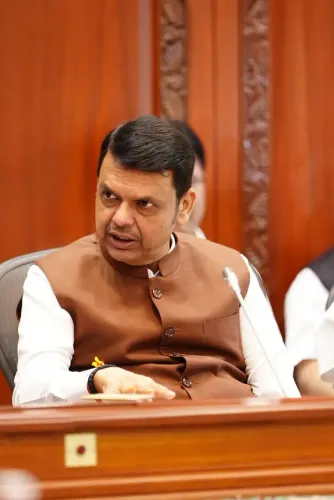
Maharashtra CM Devendra Fadnavis chaired a meeting at Sahyadri Guest House on 28 October 2026 to strengthen post-scheme surveys, directing field officials to cooperate fully and convert beneficiary data into actionable measures for better welfare delivery.
Key Takeaways
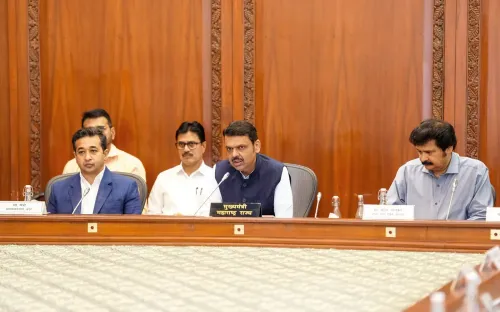
CM Devendra Fadnavis chaired a meeting at Sahyadri Guest House, Mumbai on 28 October 2026 on post-scheme surveys.
The meeting focused on assessing scheme outcomes, identifying implementation gaps, and improving beneficiary reach.
Fadnavis directed field-level officials to extend full cooperation to survey teams.
The government aims to build a reliable beneficiary database and strengthen public trust in welfare delivery.
Minister Ashish Shelar and senior state officials attended the session.
Coordinated action across departments was identified as key to improving scheme effectiveness.
Good governance runs on feedback loops — and Maharashtra Chief Minister Devendra Fadnavis moved to tighten one on Wednesday, 28 October 2026, chairing a meeting at Sahyadri Guest House, Mumbai focused squarely on post-scheme surveys for state government welfare programmes. The message from the room: data must not gather dust — it must drive action.
What the meeting was actually about
The session brought together Minister Ashish Shelar and senior officials to review how post-implementation surveys are being conducted across various state schemes. Fadnavis stressed that surveys are not a bureaucratic formality — they are the mechanism through which gaps get identified, beneficiary reach gets widened, and delivery actually improves. The core directive: field-level officials must extend full cooperation to make these surveys count.
The Chief Minister specifically underlined the need to translate beneficiary data into 'actionable measures' — a signal that the government wants analysis to feed directly into policy correction, not just annual reports. The focus areas spelled out were building a reliable database, improving access to government benefits, strengthening public trust, and ensuring better service delivery at the last mile.
Why coordinated departments matter here
Fadnavis emphasised that no single department can close implementation gaps alone. Coordinated effort across government departments and concerned organisations, he argued, is what ultimately determines whether a scheme's promise matches its ground reality. Maharashtra runs an extensive portfolio of welfare programmes across agriculture, housing, health, and social protection — making a unified survey framework more than a procedural upgrade; it is a governance necessity.
State governments across India have periodically confronted the same challenge: welfare schemes designed with strong intent often lose effectiveness in the last mile due to fragmented data, siloed departments, and weak feedback mechanisms. A structured survey architecture, if implemented rigorously, can surface exactly the kind of specific, ground-level intelligence that helps course-correct before problems compound.
What to watch next
The real test will come in the follow-up — whether departments receive concrete survey timelines, whether the data collected feeds into publicly accountable performance reviews, and whether field officials are equipped and motivated to participate. Fadnavis has set the intent clearly. Execution, as always in large federal states, is the harder half.
A governance machine is only as good as its ability to hear what isn't working. Maharashtra just signalled it wants to listen more carefully.
Point of View
Not just outlay. By anchoring the meeting around data-to-action translation, the Chief Minister is signalling a shift from input-based accountability to outcome-based governance — a standard increasingly demanded by both voters and central scheme frameworks. The participation of Minister Shelar alongside senior officials suggests this is being positioned as a cross-departmental priority rather than a single-ministry exercise. Whether the survey infrastructure can deliver the granular, honest data needed for genuine course-correction — rather than validation of existing programmes — will determine its real value.
NationPress
28 Oct 2026
Frequently Asked Questions
What was the purpose of CM Fadnavis's meeting at Sahyadri Guest House on 28 October 2026?
The meeting was called to review the conduct of post-scheme surveys for Maharashtra state government welfare programmes, with the aim of assessing outcomes, identifying gaps, and improving scheme delivery to more citizens.
Which minister attended the scheme survey meeting with CM Fadnavis?
Minister Ashish Shelar attended the meeting along with senior state officials.
What did CM Fadnavis instruct field officials to do regarding scheme surveys?
Fadnavis instructed field-level officials to extend their full cooperation to the survey process and emphasised the importance of translating the collected data into concrete, actionable measures.
Why are post-scheme surveys important for Maharashtra government programmes?
Post-scheme surveys help analyse beneficiary data, evaluate scheme performance, identify implementation gaps, and ensure that welfare benefits actually reach the intended citizens — improving accountability and service quality.
What is the Maharashtra government's focus through these scheme surveys?
The focus is on building a reliable beneficiary database, improving access to government benefits, strengthening public trust, and ensuring better last-mile service delivery through coordinated departmental efforts.