CM Himanta orders expulsion of 15 illegal infiltrators from Assam
Synopsis
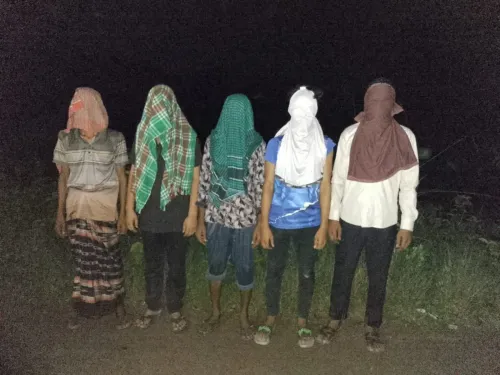
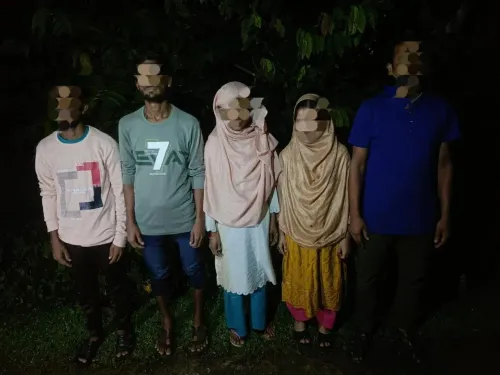
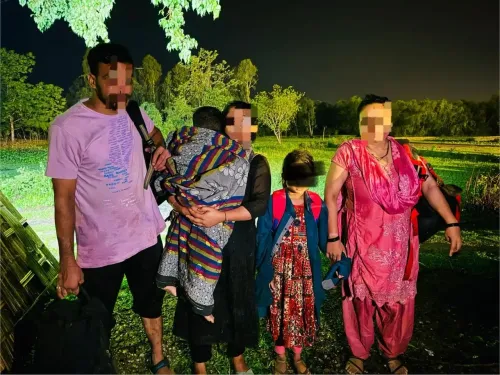
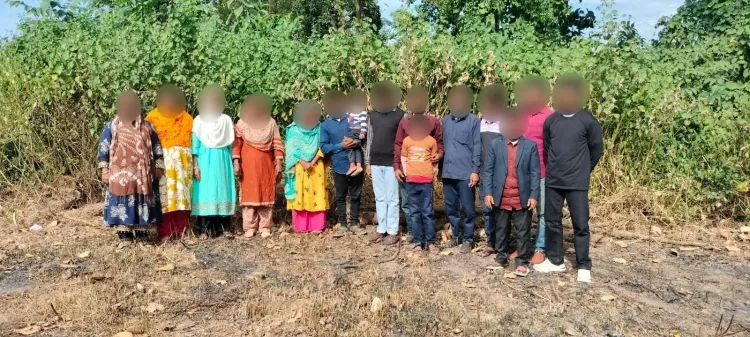
Assam Chief Minister Himanta Biswa Sarma announced that a coordinated BSF and Assam Police operation identified and expelled 15 illegal infiltrators from India on 28 October 2026, reinforcing his administration's zero-tolerance stance on illegal immigration.
Key Takeaways
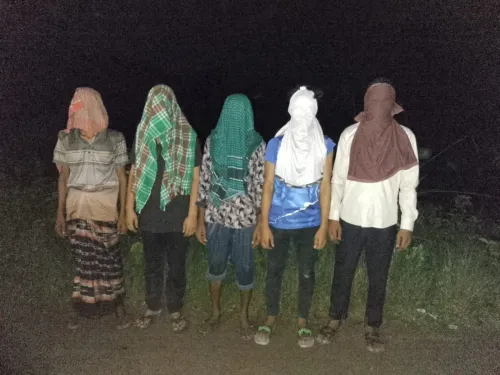
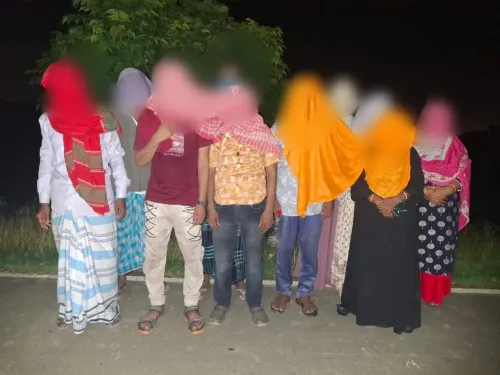
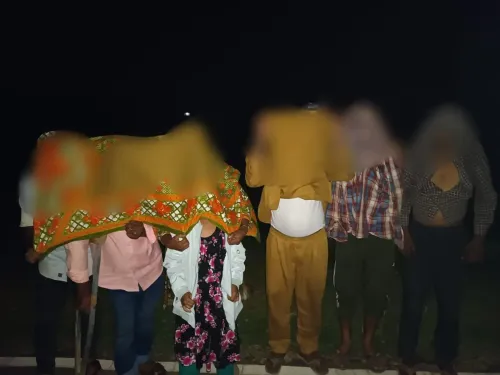
15 illegal infiltrators were identified and expelled from India in a joint operation by BSF and Assam Police on 28 October 2026 .
Assam Chief Minister Himanta Biswa Sarma personally announced the action, calling Assam's security 'non-negotiable'.
The operation follows a pattern of intensified BSF-Assam Police coordination that has accelerated since the BJP came to power in Assam in 2016 .
The Assam Accord of 1985 set 24 March 1971 as the legal cut-off for identifying foreigners, providing the framework for such expulsions.
The National Register of Citizens (NRC) , completed in 2019 , and the state's Foreigners Tribunals remain the institutional backbone of Assam's anti-infiltration machinery.
Fifteen illegal infiltrators have been identified and expelled from India in a coordinated sweep between Assam Police and the Border Security Force (BSF) — the latest enforcement action ordered by Assam Chief Minister Himanta Biswa Sarma as the state doubles down on border security. The operation, announced on Wednesday, 28 October 2026, signals Sarma's continued push to make illegal immigration a zero-tolerance issue in the state.
The joint operation and who was expelled
Sarma's post was unambiguous: 'Assam's security is non-negotiable.' In a coordinated action between @BSF_India and @assampolice, authorities identified and expelled 15 illegal infiltrators from Indian territory. The Chief Minister framed the action as both a security imperative and a matter of upholding the law — twin pillars his administration has leaned on since taking office in 2021.
The BSF, which guards India's land borders including the long and porous frontier with Bangladesh, has been an indispensable partner in Assam's anti-infiltration drives. State police handle the intelligence and identification side; the central paramilitary executes the border pushback. That division of labour is what makes these joint operations possible at scale.
Decades of politics, one persistent fault-line
Illegal immigration into Assam is not a new crisis — it is a four-decade-old wound that has shaped the state's politics more than almost any other issue. The Assam Accord of 1985 attempted to draw a clean line, fixing 24 March 1971 as the cut-off date for detecting and deporting foreigners who entered after Bangladesh's creation. The accord gave the movement for Assamese identity its legislative anchor but never fully resolved the question of who belonged and who did not.
The National Register of Citizens (NRC), completed in 2019, was the most ambitious attempt to settle that question. It left behind a deeply contested list and a machinery — the Foreigners Tribunals — that continues to adjudicate individual cases. For Sarma and the BJP, joint operations like Wednesday's are both a law-enforcement necessity and a political statement: the party came to power in Assam partly on the promise that it would act where others hesitated.
Pattern of intensified BSF-Assam Police coordination
Since the BJP first came to power in Assam in 2016, joint detection-and-deportation operations with the BSF have become more frequent and more publicly announced — a deliberate contrast to the perceived inaction of earlier governments. Sarma, who took over as Chief Minister in May 2021, has personally amplified each major operation on social media, using them to reinforce his administration's core messaging on security and sovereignty.
Wednesday's expulsion of 15 infiltrators fits that established rhythm. The number may appear modest, but the political and symbolic weight Sarma attaches to every such action is anything but. In a state where demographic anxieties run deep and border villages live with the daily reality of illegal crossings, each announced expulsion carries a message well beyond its immediate headcount.
The road for Assam's border enforcement machinery now runs through the Foreigners Tribunals, any potential legislative updates, and the state's ability to keep BSF coordination tight — because if Wednesday's operation proved anything, it is that Sarma intends to keep the pressure exactly where it is.
Point of View
Not merely a law-and-order matter. By amplifying each joint BSF-police operation, Sarma keeps the issue at the top of the state's political agenda while signalling to New Delhi that the northeastern frontier is being actively managed. The real metric to watch, however, is institutional: whether Foreigners Tribunals can process cases fast enough to give these field operations lasting legal weight.
NationPress
29 Oct 2026
Frequently Asked Questions
Who were the 15 infiltrators expelled from Assam?
Assam Chief Minister Himanta Biswa Sarma announced that 15 illegal infiltrators were identified in a joint operation by BSF and Assam Police and expelled from India. No further identities or nationalities were specified in the official statement.
What is the BSF's role in Assam's anti-infiltration operations?
The Border Security Force (BSF) guards India's land borders, including the frontier with Bangladesh. In Assam, it works alongside state police to detect and push back illegal infiltrators, with Assam Police typically handling identification and the BSF managing border enforcement.
What is the Assam Accord and how does it relate to illegal immigration?
The Assam Accord, signed in 1985, fixed 24 March 1971 as the cut-off date for identifying foreigners who entered Assam illegally. Anyone who entered after that date can be detected and deported under Indian law, forming the legal basis for operations like the one announced on 28 October 2026.
What is the National Register of Citizens (NRC) in Assam?
The NRC is a register of verified Indian citizens in Assam, completed in 2019, aimed at identifying illegal residents. Those excluded from the NRC can be referred to Foreigners Tribunals, which adjudicate citizenship status and can order deportation.
How often does Assam conduct joint operations with BSF against illegal infiltrators?
Joint detection-and-deportation operations between Assam Police and BSF have become more frequent since the BJP came to power in the state in 2016, with Chief Minister Himanta Biswa Sarma publicly announcing such actions on a regular basis since taking office in May 2021.