CM Himanta: Assam Police, BSF stop 10 infiltrators at border
Synopsis
Assam Chief Minister Himanta Biswa Sarma announced on 23 May 2026 that Assam Police and the BSF intercepted 10 illegal infiltrators at the state border in the early hours, calling smart detection central to his 'Surakshit Assam' vision.
Key Takeaways
10 illegal infiltrators were detected and prevented from entering Assam in the early hours of 23 May 2026 .
The operation was a joint effort between Assam Police and the Border Security Force (BSF) .
CM Himanta Biswa Sarma framed the interception as part of the Surakshit Assam ('Secure Assam') initiative.
The action reflects the BJP-led administration's stated 'zero tolerance' approach to illegal immigration across the Indo-Bangladesh border .
The Assam Accord of 1985 and the 2019 NRC exercise form the long-standing policy basis for such enforcement drives.
Border fencing and anti-infiltration coordination between state and central forces have been progressively intensified under the current government.
Assam Chief Minister Himanta Biswa Sarma announced on Saturday, 23 May 2026 that Assam Police and the Border Security Force (BSF) jointly detected and turned back 10 illegal infiltrators attempting to enter the state in the early hours of the morning, underscoring what he described as a continuing strict vigil along the border.
Context
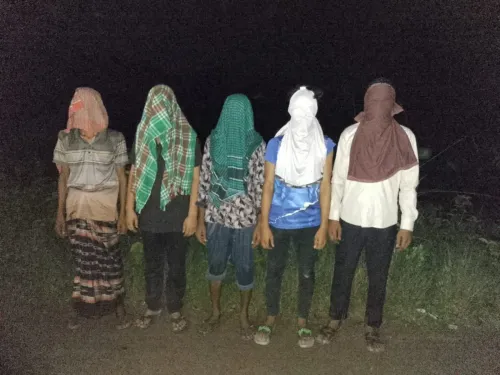
Posting on X, CM Sarma said the operation took place 'in the wee hours' and credited coordinated action between state police and central border forces for the interception. He framed the outcome as central to his administration's goal of a Surakshit Assam — a 'Secure Assam' — calling 'smart detection and immediate prevention' the key to that vision.
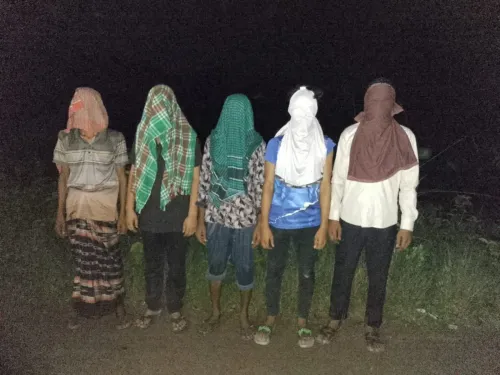
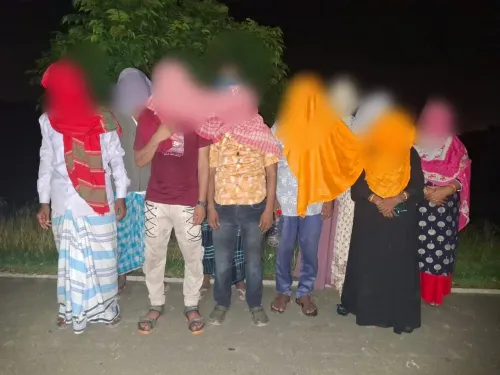
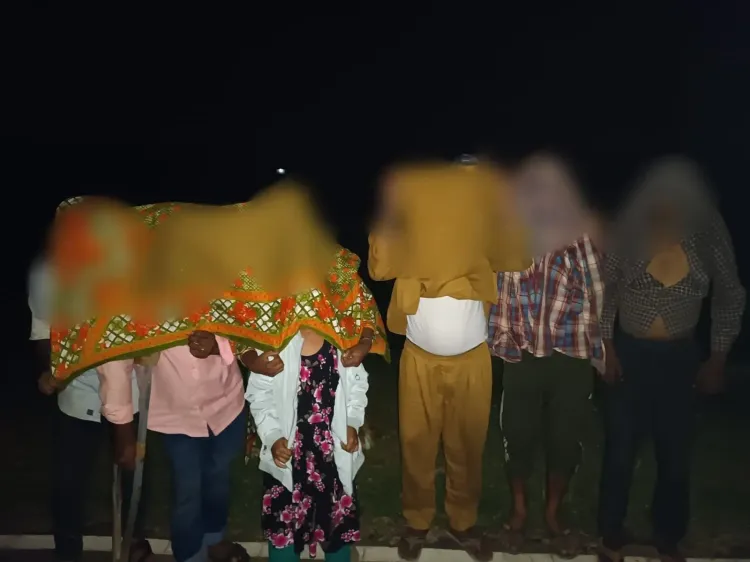
The announcement was accompanied by two images, which the Chief Minister shared as visual documentation of the overnight operation. While specific operational details remain unconfirmed from independent sources, the post reflects the administration's practice of publicly communicating border enforcement actions in near real-time.
Policy Backdrop
Illegal immigration into Assam from across the Indo-Bangladesh border has been a defining political and security issue for the state for decades. The Assam Accord of 1985 bound both the central and state governments to detect and deport immigrants who entered after March 1971, establishing the legal and political framework that successive governments have cited in enforcement drives.
The National Register of Citizens (NRC) exercise, completed in 2019, was the most sweeping attempt to identify undocumented residents in the state. The current BJP-led administration under CM Sarma has built on that foundation by intensifying coordination between Assam Police and the BSF, which is India's primary agency responsible for guarding the Indo-Bangladesh border. Border fencing programmes and anti-infiltration grids have been progressively expanded since the early 2000s, with the present government positioning itself as pursuing a 'zero tolerance' posture.
Stakeholders and Impact
The most immediate stakeholders are the border communities of Assam, whose concerns about demographic change and resource competition have historically driven demand for stricter enforcement. For these residents, high-visibility interceptions — and their rapid public communication by the Chief Minister — serve as visible reassurance of state capacity.
The operation also has implications for the broader North-East Democratic Alliance (NEDA), of which CM Sarma is convenor. Border security messaging resonates across the northeastern states, several of which share sensitive international frontiers and have their own concerns about cross-border movement. The coordinated role of the BSF highlights the Centre-state partnership that the administration has consistently promoted as a model for the region.
What's Next
Attention will turn to progress on remaining segments of border fencing along Assam's boundary with Bangladesh, as well as any fresh joint operational protocols that Assam Police and the BSF may announce. The issue is also likely to surface in the next session of the Assam Legislative Assembly, where the administration has previously reported on border security metrics.
With the Surakshit Assam framing now a recurring part of the Chief Minister's public communications, enforcement actions of this kind are expected to continue receiving prominent official attention — and rapid disclosure — as the government signals its border-management priorities ahead of future political cycles.
Point of View
Named disclosure of a pre-dawn border interception is as much a communication strategy as an enforcement update — it reinforces the 'Surakshit Assam' brand that his administration has carefully cultivated since 2021. By publicly crediting both Assam Police and the BSF, Sarma also signals Centre-state operational unity, which matters politically in a region where border security is electorally salient. The move fits a broader BJP pattern of turning routine enforcement into visible governance proof points, particularly ahead of assembly and local-body cycles. Whether the cadence of such announcements translates into measurable, independently verified reductions in infiltration remains the harder question for policy analysts to track.
NationPress
22 Oct 2026
Frequently Asked Questions
What happened at the Assam border on 23 May 2026?
Assam Police and the BSF jointly intercepted and turned back 10 illegal infiltrators who attempted to enter Assam in the early hours of 23 May 2026, as announced by Chief Minister Himanta Biswa Sarma.
What is 'Surakshit Assam'?
'Surakshit Assam' translates to 'Secure Assam' and is a governance framing used by the Himanta Biswa Sarma administration to describe its security and border-protection priorities in the state.
What is the role of BSF in Assam's border security?
The Border Security Force (BSF) is India's primary central agency guarding the Indo-Bangladesh border. In Assam, it operates in coordination with state police to detect and prevent illegal cross-border movement.
What is the legal basis for detecting illegal immigrants in Assam?
The Assam Accord of 1985 mandates the detection and deportation of individuals who entered Assam from Bangladesh after March 1971. The 2019 National Register of Citizens (NRC) exercise was the most recent large-scale effort to implement this commitment.
How long has illegal immigration been a concern in Assam?
Illegal immigration from Bangladesh has been a core security and demographic concern in Assam for several decades, shaping major political agreements, legal exercises, and successive governments' border-management policies.