CM Himanta backs Khelo India Sports Goods Manufacturing push
Synopsis
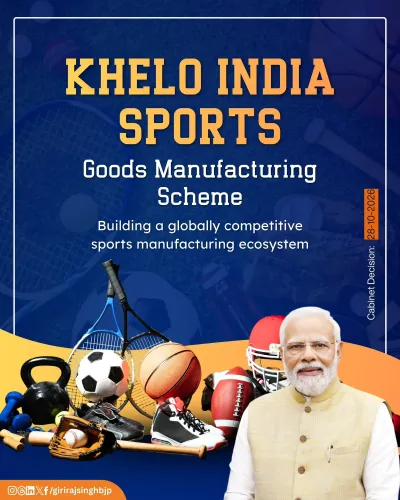
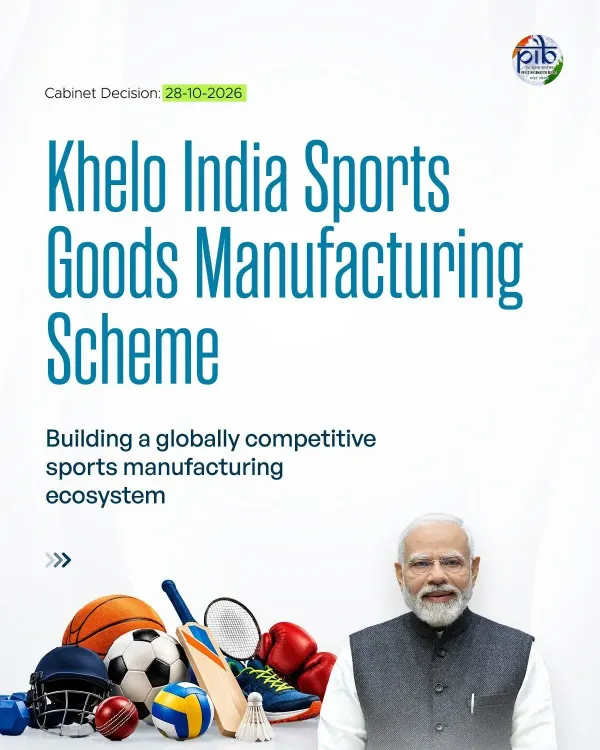
Assam Chief Minister Himanta Biswa Sarma on 28 October 2026 backed the Khelo India Sports Goods Manufacturing Scheme, linking the initiative to PM Modi's Aatmanirbhar Bharat push to boost domestic production, employment, and exports in India's sports goods sector.
Key Takeaways
Assam CM Himanta Biswa Sarma publicly endorsed the Khelo India Sports Goods Manufacturing Scheme on 28 October 2026 .
The scheme is framed under PM Narendra Modi 's Aatmanirbhar Bharat initiative, launched in May 2020 to reduce import dependence.
The Khelo India programme, operational since 2017 , is being extended from sports infrastructure into domestic goods manufacturing.
Established sports goods production clusters in Uttar Pradesh and Punjab are expected to be primary beneficiaries.
Exact funding size and operational guidelines for the scheme have not yet been confirmed publicly.
Job creation and boosting sports goods exports to global markets are the stated twin goals of the initiative.
India is preparing to manufacture its way onto the global sporting stage — and Assam Chief Minister Himanta Biswa Sarma wants the country's ambitions clear on Wednesday, 28 October 2026. The BJP leader and NEDA convenor threw his weight behind the Khelo India Sports Goods Manufacturing Scheme, framing it as a defining step toward self-reliance in one of India's fastest-growing industrial segments.
What the scheme promises — and why it matters now
Sarma described the initiative as one that will 'strengthen domestic production, create jobs and take Indian sports goods to global markets' — three objectives that sit squarely within the Aatmanirbhar Bharat framework Prime Minister Narendra Modi launched in May 2020. The scheme carries the Khelo India brand, the central government's flagship sports programme running since 2017, and extends its mandate from athlete development and infrastructure into the factory floor.
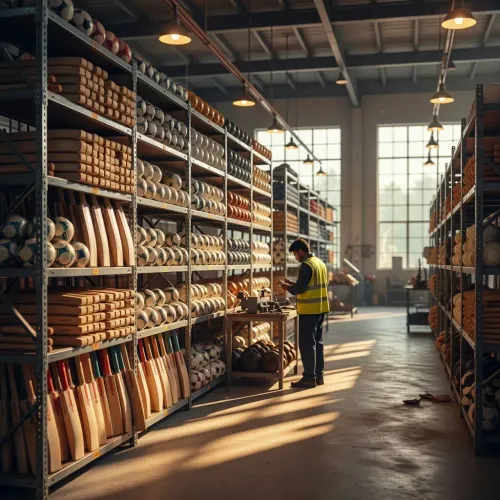
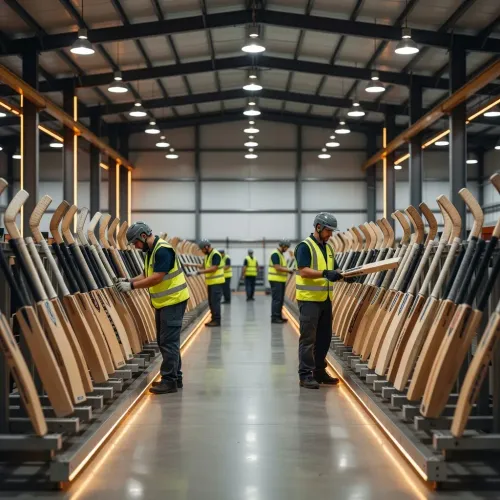
The logic is straightforward: India has long had the craftsmen and the clusters — Uttar Pradesh and Punjab have historically anchored domestic sports goods production — but export volumes have lagged behind global peers. A dedicated manufacturing incentive under an established programme like Khelo India is designed to close that gap by linking policy muscle to existing supply chains.
Aatmanirbhar Bharat meets grassroots sport
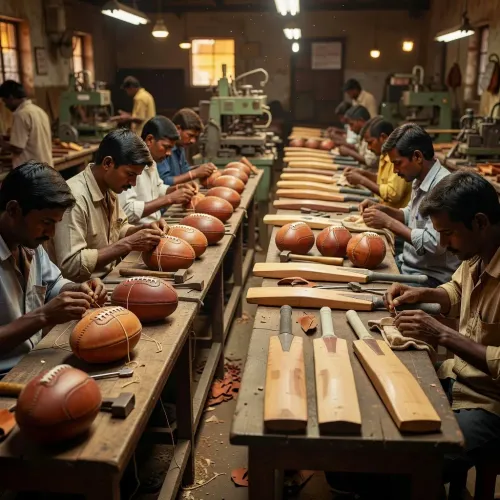
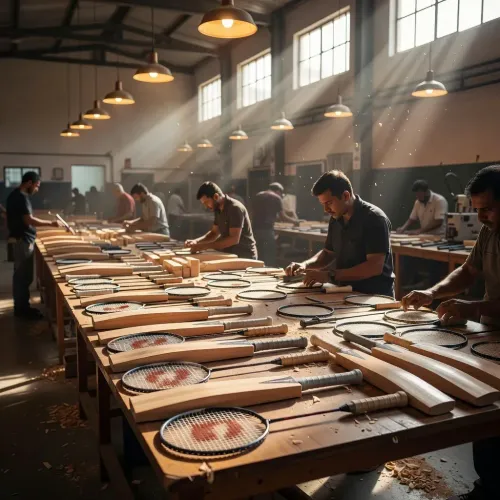
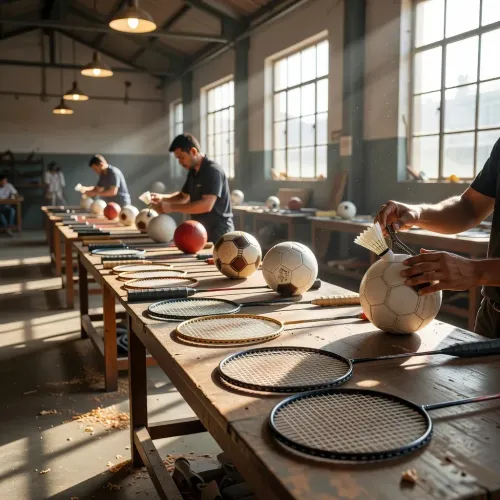
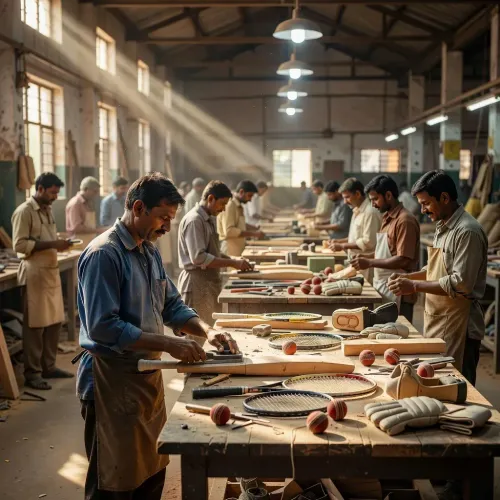
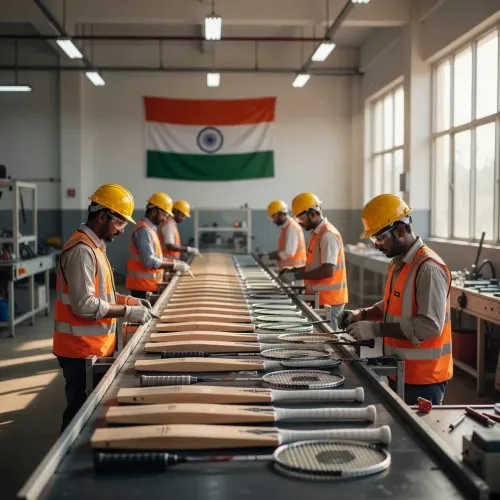
The Aatmanirbhar Bharat Abhiyan set out to reduce India's import dependence across strategic sectors. Extending that logic to sports goods is, in many ways, overdue. From cricket bats stitched in Meerut to footballs hand-stitched in Jalandhar, India already has world-class artisanal capacity — what has been missing is scale, quality standardisation, and a policy architecture that actively pushes those goods into international retail channels.
The Khelo India Sports Goods Manufacturing Scheme, if rolled out with substantive budget backing, could bridge that gap by offering manufacturers a credible government-to-market pathway. Details on funding size and operational guidelines are yet to be confirmed publicly — but the political signal from a senior regional leader like CM Sarma adds weight to expectations of a near-term announcement.
Jobs and the north-east angle
For Sarma, the stakes are also regional. As convenor of the North-East Democratic Alliance, he has consistently championed industrial growth in a part of India that has historically sat on the margins of manufacturing investment. A national sports goods push that reaches into north-eastern states — where traditional crafts and relatively lower labour costs exist — could deliver employment dividends that extend well beyond established hubs in the Gangetic plain.
The combination of a proven programme name (Khelo India), a resonant umbrella policy (Aatmanirbhar Bharat), and visible political endorsement at the state level is rarely accidental. Watch the next central budget cycle for the numbers that will tell whether this ambition has serious fiscal muscle behind it.
Point of View
Particularly ahead of budget deliberations. The North-East angle adds a sub-text: extending industrial policy into NEDA states could serve both economic and electoral objectives. Whether this remains a rhetorical frame or acquires hard fiscal commitments will define how seriously the market — and rival manufacturing nations — takes the ambition.
NationPress
29 Oct 2026
Frequently Asked Questions
What is the Khelo India Sports Goods Manufacturing Scheme?
It is an initiative under the Khelo India umbrella that aims to strengthen domestic production of sports equipment, create manufacturing jobs, and boost India's exports of sports goods to global markets.
What is Aatmanirbhar Bharat and how does it relate to sports goods?
Aatmanirbhar Bharat Abhiyan , launched by PM Narendra Modi in May 2020 , promotes domestic manufacturing to reduce import dependence. The sports goods scheme extends this self-reliance framework to the sporting equipment sector.
What is Khelo India and when was it started?
Khelo India is a central government programme launched in 2017 to develop grassroots sports culture, build infrastructure, and support athletes across India. Its mandate is now being expanded to include sports goods manufacturing.
Which states are major sports goods manufacturing hubs in India?
Uttar Pradesh (particularly Meerut) and Punjab (particularly Jalandhar) have historically been the largest domestic sports goods production centres in India.
Why did Assam CM Himanta Biswa Sarma comment on the sports manufacturing scheme?
As a senior BJP leader and convenor of the North-East Democratic Alliance (NEDA) , CM Sarma backed the scheme to signal support for expanding industrial and manufacturing opportunities, including potentially in north-eastern states.