CM Naidu votes in Undavalli, seeks inducement-free polls
Synopsis
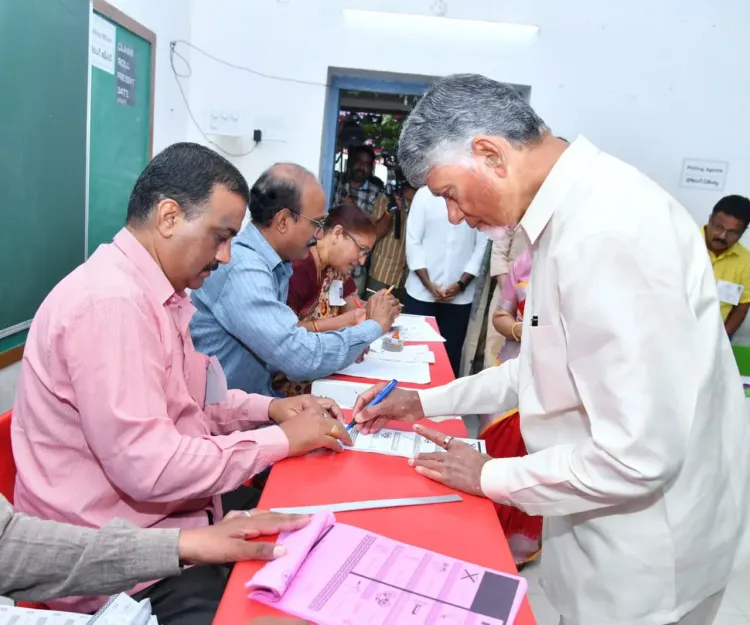
Andhra Pradesh Chief Minister N. Chandrababu Naidu cast his vote in Undavalli on Constitution Day, 26 November 2026, during local body elections. He called the franchise both a right and a duty, said it was vital for regional development, and urged citizens to vote freely without inducements.
Key Takeaways
Andhra Pradesh Chief Minister N.
Chandrababu Naidu voted in Undavalli on 26 November 2026 , Constitution Day, with family members.
He said the vote is both a right and a responsibility, and is crucial to regional development and the future.
Naidu urged voters in the AP local body elections to exercise the franchise freely and not yield to inducements.
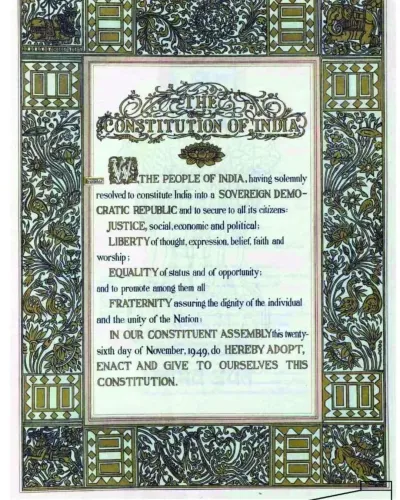
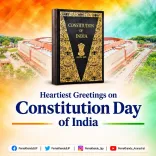
Constitution Day commemorates the adoption of the Indian Constitution on 26 November 1949 .
Local self-government in the state rests on the 73rd and 74th Amendments of 1992-1993.
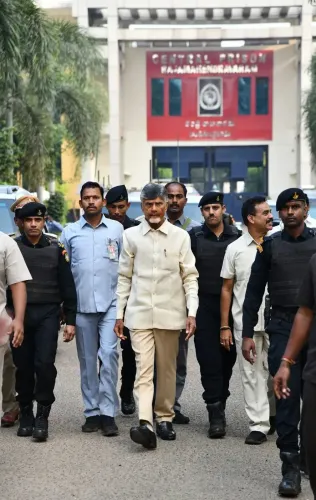
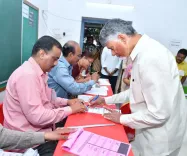
Andhra Pradesh Chief Minister N. Chandrababu Naidu walked into a polling station in Undavalli with family members on 26 November 2026 and cast his vote on Constitution Day, as local body elections moved across the state. He did not leave the act hanging as a private ritual. In the same breath he recast the inked finger as a civic contract: the vote, he said, is not only a right but a duty that decides a region's development and its future.
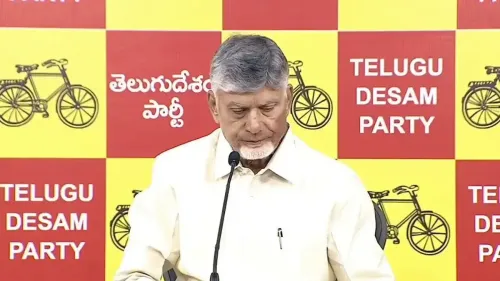
Posting in Telugu with the tag #APLocalBodyElections, Naidu said he had used his franchise in Undavalli alongside family. 'In a democracy, the vote is not merely our right.. it is also our responsibility,' he wrote. 'The vote is crucial for the development of our regions and for the future.' He asked every citizen to vote freely and responsibly, 'without falling prey to any inducements,' and closed with Otu veddam.. prajaswamyanni balopetam cheddam (Let's vote.. let's strengthen democracy).
The Undavalli ballot on Constitution Day
Undavalli, in Guntur district, was the village he chose for the public act. Constitution Day marks the adoption of the Indian Constitution on 26 November 1949. The Chief Minister, who is also national president of the Telugu Desam Party (TDP), put family, franchise and the founding document in one frame, with photographs accompanying the post.
The political signal was plainer than any caption. The state's most powerful elected official was seen using the same instrument he was asking others to use.
Naidu's line against inducements
The sharpest clause was the warning on pralobhalu (inducements). Naidu urged voters not to trade a free choice for cash, gifts or pressure. That refrain has run through TDP messaging for years: grassroots democracy, in this telling, works only when the ballot is not for sale.
Local body polls decide who runs panchayats, municipalities and other self-government institutions — the first mile of roads, water, sanitation and village welfare. A captured vote at that tier captures the state at its closest point to the citizen.
How the 73rd Amendment still frames the fight
Andhra Pradesh's local elections rest on the 73rd and 74th Amendments of 1992-1993, which gave panchayats and urban local bodies a constitutional place, not a ceremonial one. Naidu did not recap that history. He folded the day's civic ritual into a simpler claim: turnout without inducement is how those amendments live on the ground.
Turnout, reports of inducement-free polling, and any later word from the Chief Minister on local governance will now be the measures that follow the ink. On a day India remembers its Constitution, the test he set was brutally simple: a ballot that cannot be bought.
Point of View
Local bodies as the real site of development, and a public warning against vote-buying. The 73rd and 74th Amendments made panchayats and municipalities constitutional, not ceremonial; his appeal treats turnout without inducement as the test of that design. Linking the inked finger to a region's future is consistent with how he has long sold grassroots democracy as accountability, not just participation. The political risk is implicit: if inducements still shape local contests, the CM has set a standard his own network will be measured against.
NationPress
26 Nov 2026
Frequently Asked Questions
Where did Chandrababu Naidu vote on 26 November 2026?
He voted in Undavalli in Guntur district, Andhra Pradesh, along with family members on Constitution Day during the state's local body elections.
What did CM Naidu say about voting in AP local body elections?
He said that in a democracy the vote is not only a right but also a responsibility, and that it is crucial for the development and future of regions. He asked people to vote freely without falling prey to inducements.
Why is 26 November observed as Constitution Day in India?
India observes Constitution Day on 26 November to mark the adoption of the Constitution by the Constituent Assembly on that date in 1949.
What are Andhra Pradesh local body elections?
They are elections to panchayats, municipalities and other local self-government institutions, held under the constitutional framework of the 73rd and 74th Amendments of 1992-1993.
Did Naidu ask voters to reject cash or gifts for votes?
Yes. He specifically urged every person to use the vote freely and responsibly, without succumbing to any inducements, and to strengthen democracy by voting.