CM Naidu reviews AP revenue departments, no new taxes
Synopsis
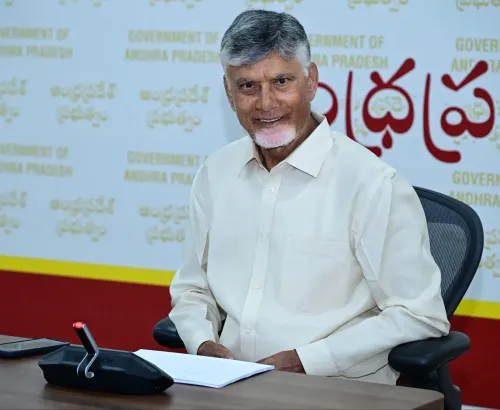
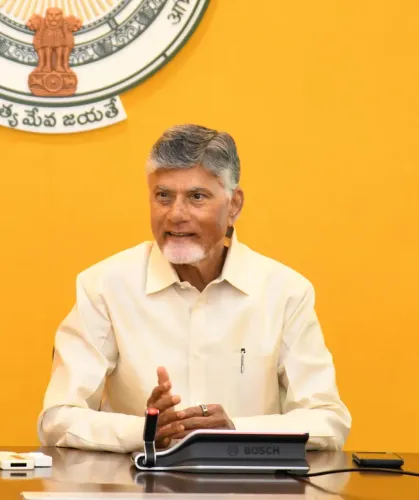
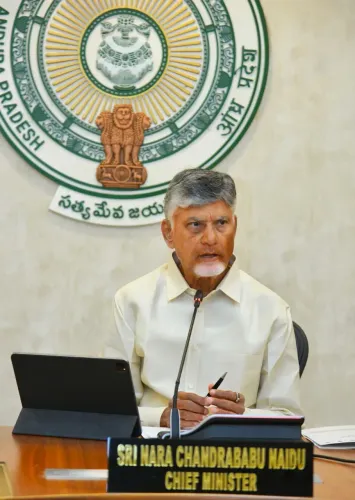
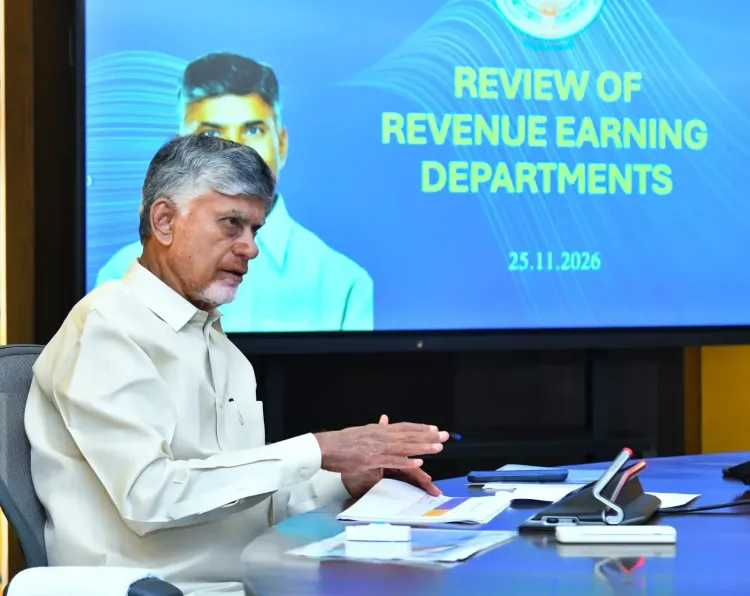
Andhra Pradesh Chief Minister Nara Chandrababu Naidu reviewed finance, revenue, excise, stamps, mines, transport and local-body departments on 25 November 2026, saying leakages had fallen and directing officials to lift collections without new taxes or charges.
Key Takeaways
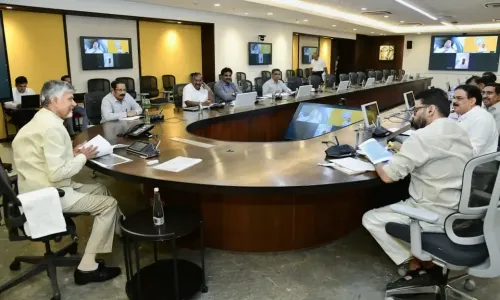
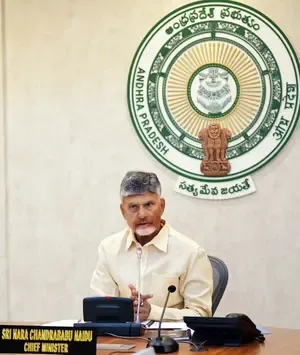
Nara Chandrababu Naidu held a high-level review on 25 November 2026 of departments that generate government income.
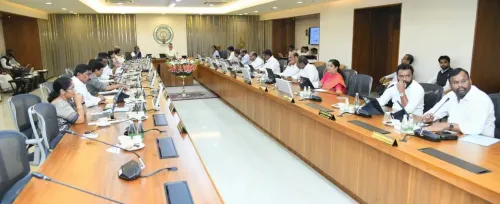
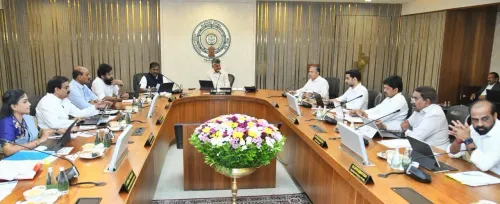
Principal Secretary Sai Prasad and officials from finance, revenue, excise, stamps and registrations, mines, transport, municipal administration and panchayat raj attended.
The CM said government measures had reduced leakages and corrected systemic deficiencies, yielding better results.
He directed officials to raise departmental revenue without increasing the tax burden or imposing new charges.
He said outcomes of development programmes across the state should be reflected in revenue.
The Chief Minister's Office of Andhra Pradesh said Nara Chandrababu Naidu on 25 November 2026 pulled in every department that fills the state treasury and set a hard rule: collect more, tax no more. Principal Secretary Sai Prasad sat with senior officers from finance, revenue, excise, stamps and registrations, mines, transport, municipal administration and panchayat raj. Development works across Andhra Pradesh, the Chief Minister told them, must show up in the receipts — without a heavier tax burden and without new charges.
Leakages cut, systems fixed, better results claimed
The CMO post, originally in Telugu, quoted the Chief Minister as saying that measures already taken by the government had reduced leakages and corrected systemic deficiencies. Those departments, he said, were now delivering improved results. That is the political claim of the afternoon: the pipes are cleaner, so the money should flow.
He then turned the claim into an order. Officials were told that the fruits of development programmes under way in different parts of the state 'should be reflected in revenue' and that they must strive to raise income across departments 'without tax burden' and 'without newly raising charges'.
The eight wings that sit on Andhra's cash
The attendee list is a map of own-source revenue. Finance and revenue set the frame. Excise, stamps and registrations, mines and transport are the classic cash engines — liquor, property deals, minerals, vehicles. Municipal administration and panchayat raj bring the last-mile window: property tax, local dues, user charges that often leak before they reach the treasury.
Putting urban and rural local bodies in the same huddle as mines and excise is not ceremonial. It says the squeeze runs from the secretariat to the panchayat office.
Collect more, leave rates alone
This is a familiar Andhra script. In the 2014–2019 term, the Naidu government pushed e-governance through revenue departments to cut leakages and lift collections. Wednesday's review restates that method: enforcement and process repair, not a rate shock, as the path to fiscal space.
States across India face the same bind — heavy development and welfare bills, limited room to raise GST-era tax rates, and a need to prove they can fund themselves. Andhra Pradesh's answer, as framed here, is administrative muscle. Plug the holes. Fix the system. Let growth and compliance, not a new levy, fill the gap.
Quarterly finance-department numbers and the next budget session will test whether the instruction lands in the till. For now the public line is clear. Build. Collect. Do not raise the charge.
Point of View
The political bet is that leakages and process failures still leave money on the table. If that bet holds, the government can fund works and claim a no-new-tax record at once. If collections stall, the next budget will expose the gap between the instruction and the till.
NationPress
25 Nov 2026
Frequently Asked Questions
Why did Chandrababu Naidu hold a revenue review in Andhra Pradesh?
He reviewed departments that generate government income on 25 November 2026 and said leakages had fallen after government measures. He directed officials to raise collections without new taxes or charges so development programmes show up in state revenue.
Which departments attended CM Naidu's 25 November 2026 review?
Senior officials from finance, revenue, excise, stamps and registrations, mines, transport, municipal administration and panchayat raj attended. Principal Secretary Sai Prasad was also present, according to the Chief Minister's Office.
Did Andhra Pradesh announce new taxes after the CM review?
No. The Chief Minister instructed officials to increase departmental revenue without raising the tax burden and without newly increasing charges. The CMO framed the review as a push for better collections through reduced leakages, not rate hikes.
Who is Sai Prasad in the Andhra Pradesh government?
Sai Prasad is Principal Secretary to the Government of Andhra Pradesh and coordinates administrative functions. He attended the 25 November 2026 high-level revenue review chaired by Chief Minister Nara Chandrababu Naidu.
How does Andhra Pradesh plan to raise revenue without new taxes?
The Chief Minister pointed to reduced leakages and corrected systemic deficiencies as the path to better results. Officials were told to work so that development activity across the state is reflected in receipts, continuing an emphasis on enforcement and process improvement rather than new levies.