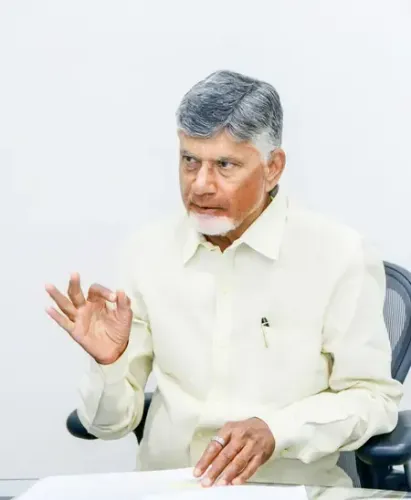
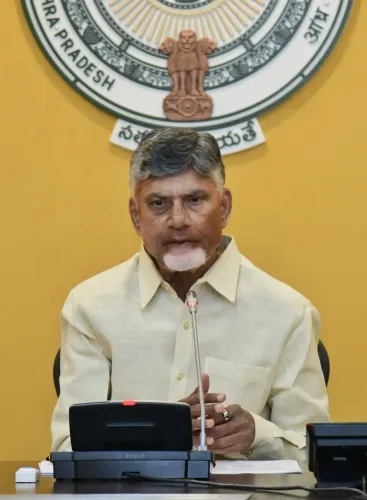
CM Chandrababu Reviews Swarna Andhra-Swachh Andhra Drive
Synopsis
Chief Minister Chandrababu Naidu reviewed the Swarna Andhra-Swachh Andhra initiative on 19 June 2026, calling pollution reduction and circular economy practices a continuous process. The programme runs monthly cleanliness drives across government offices, schools, and Anganwadi centres in Andhra Pradesh.
Key Takeaways
CM Nara Chandrababu Naidu reviewed Swarna Andhra-Swachh Andhra programmes on 19 June 2026 .
The initiative conducts a cleanliness drive on the third Saturday of every month across Andhra Pradesh .
Key focus areas include pollution reduction, net-zero goals , and circular economy practices.
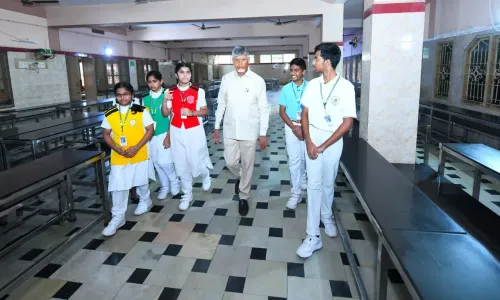
Participating institutions include government offices, hostels, schools , and Anganwadi centres .
The programme builds on the Swachh Bharat Mission (2014) and the state's Swachh Andhra campaign active since 2015 .
CM Naidu described these efforts as a continuous process , not a one-time initiative.
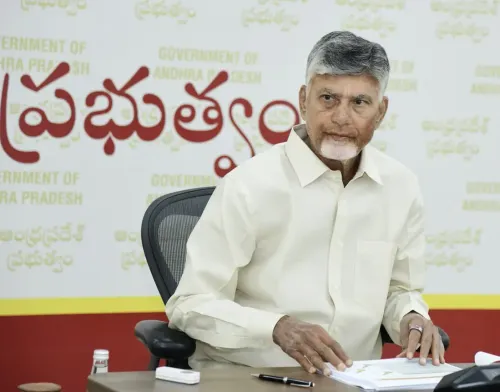
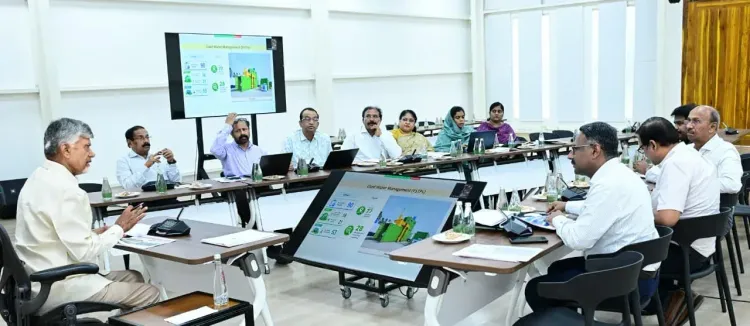
The Chief Minister's Office of Andhra Pradesh announced on Friday, 19 June 2026 that Chief Minister Nara Chandrababu Naidu has reviewed the ongoing programmes under the Swarna Andhra-Swachh Andhra initiative, reaffirming the state's commitment to pollution reduction, cleanliness, and a circular economy.
Context
Speaking after the review, CM Chandrababu Naidu stated that 'reducing pollution, enhancing cleanliness, and making productive use of waste to move towards a circular economy must be a continuous process.' The Chief Minister underscored that these are not one-time efforts but an ongoing institutional commitment for the state of Andhra Pradesh.
The Swarna Andhra-Swachh Andhra programme holds a dedicated cleanliness drive on the third Saturday of every month, covering government offices, hostels, schools, and Anganwadi centres across the state. The CM noted that this cadence is designed to build sustained public awareness around cleanliness and sustainability.
Policy Backdrop
The initiative builds on the foundational work of the Swachh Bharat Mission, launched nationally in 2014, which spurred state-level adaptations including Andhra Pradesh's own Swachh Andhra campaign active since 2015. The current Swarna Andhra-Swachh Andhra framework broadens that mandate by explicitly incorporating net-zero goals and circular economy principles — concepts aligned with India's national target of achieving net-zero emissions by 2070.
CM Naidu, who returned to office in 2024, has positioned environmental sustainability as a pillar of the 'Swarna Andhra' vision — a long-term blueprint for transforming Andhra Pradesh into a prosperous, well-governed state. The integration of waste management into routine institutional life reflects a broader national pattern where states embed circular economy practices into existing governance structures rather than treating them as standalone projects.
Stakeholders and Impact
The programme directly engages government employees, school students, Anganwadi workers, and hostel residents — constituencies that together represent a large cross-section of the state's population. By anchoring the monthly drive within these institutions, the state aims to normalise cleanliness and waste-reduction behaviours from the ground up.
Citizens in both urban and rural pockets of Andhra Pradesh stand to benefit from reduced landfill burden and improved local sanitation. The emphasis on net-zero and circular economy targets also signals to industries and investors that the state is aligning its governance with global sustainability benchmarks.
What's Next
Observers will watch whether the state releases measurable performance metrics — such as waste diverted from landfills or the number of institutions covered — in the coming quarters. Budget allocations in the next state financial cycle will also indicate how firmly the government intends to institutionalise the Swarna Andhra-Swachh Andhra framework beyond monthly drives.
With the third-Saturday model already in motion, the administration's next step is likely to scale awareness campaigns and track outcomes at the district level to demonstrate tangible progress on its circular economy and net-zero commitments.
Point of View
The administration is betting on behavioural change at the grassroots level. The explicit invocation of 'net-zero' and 'circular economy' language ties a state-level sanitation programme to India's broader climate commitments, lending it a modern policy framing that appeals to both domestic voters and international observers. Whether this translates into measurable outcomes will depend on the performance metrics and budget backing the state reveals in the months ahead.
NationPress
19 Sept 2026
Frequently Asked Questions
What is the Swarna Andhra-Swachh Andhra programme?
Swarna Andhra-Swachh Andhra is an Andhra Pradesh state initiative that integrates waste management, circular economy practices, and monthly cleanliness drives across public institutions such as government offices, schools, and Anganwadi centres.
When does the Swachh Andhra cleanliness drive take place?
The drive is held on the third Saturday of every month across Andhra Pradesh as part of the Swarna Andhra-Swachh Andhra programme.
What did CM Chandrababu Naidu say about pollution and cleanliness?
CM Naidu stated that reducing pollution, enhancing cleanliness, and making productive use of waste to move towards a circular economy must be a continuous process, not a one-time effort.
How does the Swachh Andhra programme relate to net-zero goals?
The programme explicitly focuses on net-zero and circular economy targets, aligning Andhra Pradesh's cleanliness drive with India's national net-zero emissions goal of 2070.
Which institutions are covered under the Swarna Andhra-Swachh Andhra drive?
Government offices, hostels, schools, and Anganwadi centres across Andhra Pradesh are among the key institutions participating in the monthly cleanliness drive.