CM Naidu Launches Rs 15,274 Cr Urban Sanitation Push in AP
Synopsis
CM N. Chandrababu Naidu launched Rs 15,274 crore public health and municipal infrastructure works across 120 Andhra Pradesh towns at a Swachha Andhra event in Gudivada on 18 July 2026, inaugurating 8 solid waste plants and announcing 6 waste-to-energy facilities to eliminate dumping yards.
Key Takeaways
Rs 15,274 crore worth of public health and municipal infrastructure works were launched across 120 towns in Andhra Pradesh.
Eight Integrated Solid Waste Management plants were inaugurated at the Swachha Andhra event in Gudivada on 18 July 2026 .
3 corporations and 6 municipalities received awards under the Operation Clean Sweep sanitation competition.
Six new waste-to-energy plants are planned to make conventional dumping yards redundant across the state.
CM Naidu called for citizen participation in the Swachha Andhra movement alongside government investment.
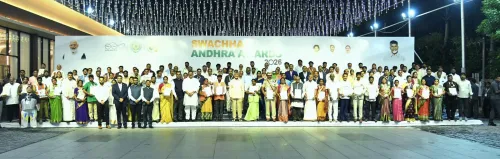
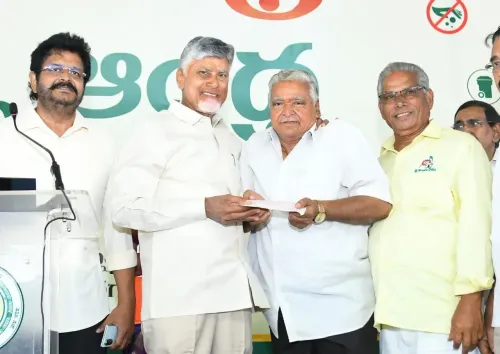
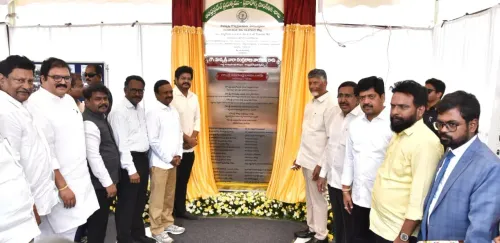
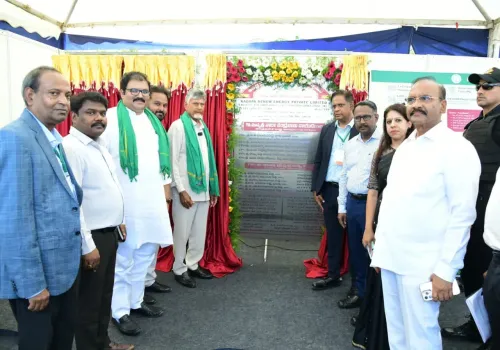
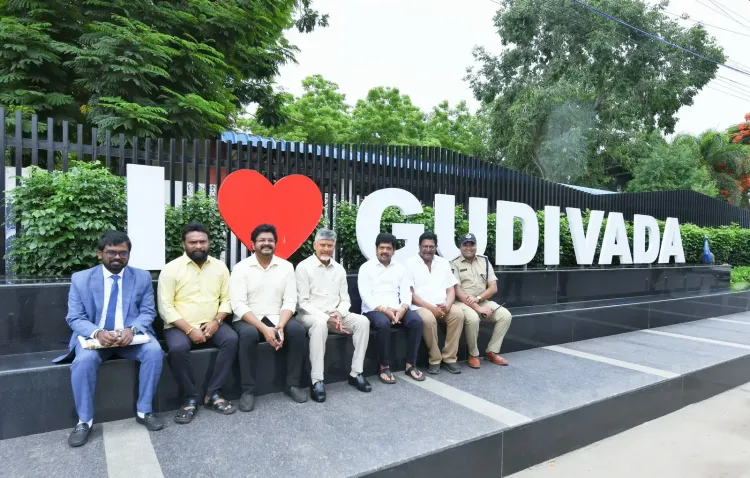
Andhra Pradesh Chief Minister N. Chandrababu Naidu on Saturday, 18 July 2026, inaugurated public health and municipal infrastructure works worth Rs 15,274 crore across 120 towns as part of the Swachha Andhra programme, at an event held in Gudivada, Krishna district. The Chief Minister also launched eight Integrated Solid Waste Management plants and distributed awards to urban local bodies that excelled in the Operation Clean Sweep sanitation competition.
Context
Posting on X under the hashtag #SwarnaAndhraSwachhAndhra, Naidu said the government had 'made a start on public health and municipal infrastructure works worth Rs 15,274 crore in the limits of 120 towns' as part of the Swachha Andhra programme held in Gudivada. He added that eight Integrated Solid Waste Management plants were inaugurated at the same event. Naidu specifically called on citizens to 'become participants in the Swachha Andhra movement,' underlining that public cooperation is as essential as government investment for cleaner surroundings.
Under the Operation Clean Sweep initiative, 3 corporations and 6 municipalities received awards recognising their sanitation performance, a move the Chief Minister framed as an incentive mechanism to drive competitive improvement across urban local bodies.
Policy Backdrop
The Swachha Andhra programme is Andhra Pradesh's state-level execution of the national Swachh Bharat Mission, which was launched in 2014 to eliminate open defecation and modernise solid waste management across India. Successive governments in the state have used award frameworks and infrastructure outlays to push municipal bodies toward measurable cleanliness benchmarks, including participation in the annual Swachh Survekshan national rankings.
The shift toward waste-to-energy technology mirrors similar policy moves in states such as Maharashtra, Karnataka, and Telangana, where urban local bodies have sought to convert municipal solid waste into usable energy while reducing dependence on open dumping grounds. Andhra Pradesh's announcement of six additional waste-to-energy plants in the pipeline signals an intent to phase out conventional dumping yards entirely.
Stakeholders and Impact
The 120 towns covered under the infrastructure push span urban local bodies of varying sizes across Andhra Pradesh, with residents set to benefit from upgraded drainage, solid waste collection systems, and sanitation facilities. The 9 urban local bodies — three corporations and six municipalities — recognised under Operation Clean Sweep are likely to serve as implementation models for others in the state.
Municipal workers, waste management contractors, and private operators of the new Integrated Solid Waste Management plants are among the direct stakeholders. The planned waste-to-energy facilities, once commissioned, are expected to reduce the land burden of dumping yards and generate a secondary energy resource for municipalities.
What's Next
Chief Minister Naidu indicated that the government is working toward commissioning six new waste-to-energy plants in the coming period, with the stated goal of making dumping yards redundant in the state. Progress on these plants, alongside Andhra Pradesh's performance in the next Swachh Survekshan cycle, will be the key metrics to watch. The public mobilisation appeal embedded in Naidu's post also suggests a citizen-outreach campaign is expected to accompany the infrastructure rollout.
Point of View
274 crore outlay across 120 towns is one of the larger single-event infrastructure announcements under Andhra Pradesh's urban sanitation push, signalling that the Naidu government is using scale and competitive awards to accelerate municipal compliance with Swachh Bharat norms ahead of the next Swachh Survekshan cycle. The pivot to waste-to-energy technology, with six plants in the pipeline, reflects a broader national trend of states moving beyond landfill expansion toward circular-economy solutions for urban waste. Holding the event in Gudivada — a mid-sized Krishna district town rather than the state capital — suggests a deliberate outreach to Tier-2 urban centres that have historically lagged in sanitation infrastructure. The public mobilisation appeal at the close of Naidu's post points to a citizen-engagement layer that the government likely sees as essential for sustaining behavioural change alongside hardware investment.
NationPress
17 Oct 2026
Frequently Asked Questions
What is the Swachha Andhra programme?
Swachha Andhra is Andhra Pradesh's state-level sanitation and cleanliness initiative aligned with the national Swachh Bharat Mission, aimed at improving solid waste management and public hygiene across urban and rural areas of the state.
How much money was announced for AP municipal infrastructure on 18 July 2026?
Chief Minister N. Chandrababu Naidu announced works worth Rs 15,274 crore covering public health and municipal infrastructure across 120 towns in Andhra Pradesh.
What is Operation Clean Sweep in Andhra Pradesh?
Operation Clean Sweep is a state-level sanitation competition that evaluates and ranks urban local bodies on cleanliness performance; at the Gudivada event, 3 corporations and 6 municipalities were recognised with awards.
What are waste-to-energy plants and why is AP building them?
Waste-to-energy plants convert municipal solid waste into usable energy, reducing the need for open dumping yards. Andhra Pradesh plans to commission 6 new waste-to-energy plants with the goal of eliminating conventional dumping yards across the state.
Where was the Swachha Andhra event held in July 2026?
The event was held in Gudivada , a town in Krishna district , Andhra Pradesh, on 18 July 2026 .