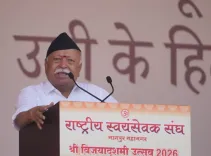
CM Nayab Saini Greets Haryana on Chhath Puja Kharna Day
Synopsis
Haryana Chief Minister Nayab Singh Saini greeted fasting women across the state on Kharna, the second day of Chhath Puja, calling it a great festival of folk faith, purity, and familial well-being.
Key Takeaways
Nayab Singh Saini , Haryana Chief Minister and BJP leader, posted Kharna greetings on 14 November 2026 .
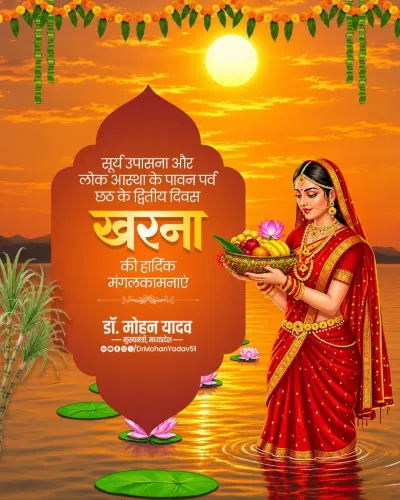
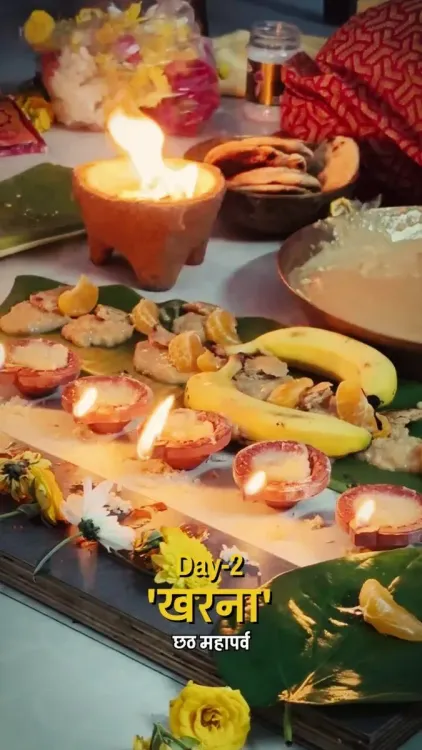
Kharna is the second day of Chhath Puja , when devotees break a waterless fast with kheer and fruits before a stricter 36-hour fast begins.
Chhath Puja honours the Sun God Surya and Chhathi Maiya , with roots in Bihar and eastern Uttar Pradesh.
Migration from Bihar and eastern UP has made Chhath a firmly established festival in Haryana .
The remaining festival days — evening and pre-dawn arghya at riverbanks — will require significant public safety arrangements.
As millions of fasting devotees across northern India observe Kharna — the second and pivotal day of Chhath Puja — Haryana Chief Minister Nayab Singh Saini extended warm wishes to the women keeping the rigorous vrat on Saturday, 14 November 2026.
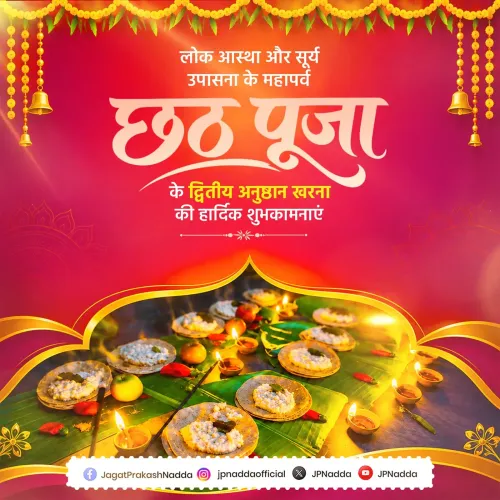
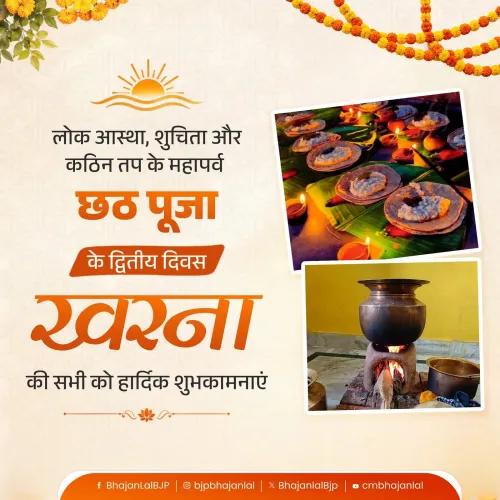
In a post on X, CM Saini wrote: 'लोक आस्था, पवित्रता और पारिवारिक मंगलकामना के महापर्व छठ पूजा के दूसरे दिन खरना की सभी व्रती माताओं और बहनों को हार्दिक शुभकामनाएं।' — 'Heartfelt greetings to all fasting mothers and sisters observing Kharna, the second day of Chhath Puja, the great festival of folk faith, purity, and familial well-being.'
What Kharna means for Chhath devotees
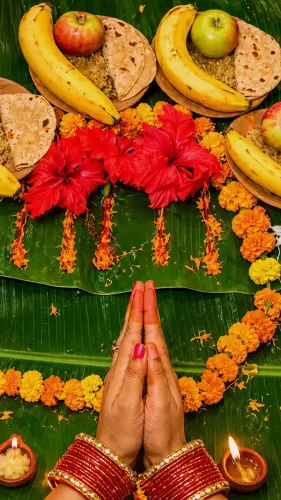
Kharna marks the moment when devotees break a full day of waterless fasting with a simple, sacred meal of kheer (rice pudding) and seasonal fruits — before entering an even stricter 36-hour fast through the culminating arghya rituals at the riverbank. It is the emotional and spiritual hinge of the four-day festival. No water, no food, no rest — and yet millions undertake it with resolve year after year.
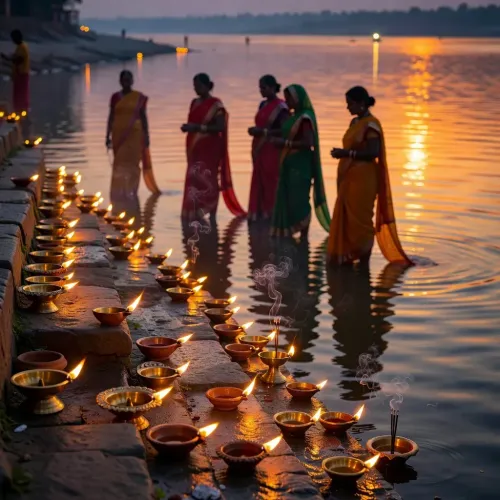
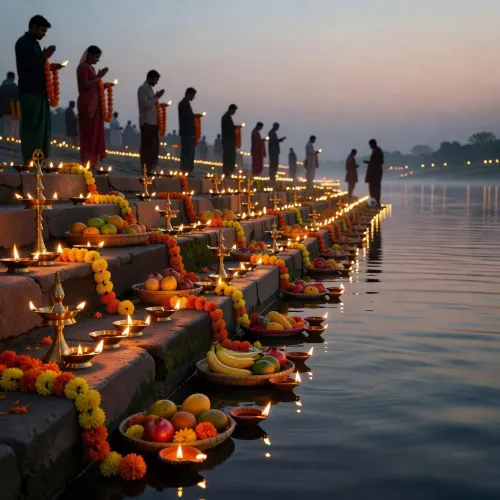
Chhath Puja is dedicated to the Sun God Surya and Chhathi Maiya, and is among the few Hindu festivals where the setting sun receives equal veneration alongside the rising one. Rooted in Bihar and eastern Uttar Pradesh, the festival has travelled with migrant communities deep into Haryana, making it a living part of the state's social fabric.
Chhath's quiet expansion into Haryana
The demographic story behind CM Saini's greeting is worth noting. Decades of labour and economic migration from Bihar and eastern UP have made Chhath Puja one of the most widely observed festivals across Haryana's industrial towns and urban clusters. The festival is no longer a 'migrant tradition' in the state — it is simply a Haryana tradition. Elected representatives across parties have recognised this shift, making riverbank Chhath greetings a fixture of the political calendar.
With Kharna now observed, attention turns to the high-stakes final two days: the evening Sandhya Arghya and the pre-dawn Usha Arghya, when vast crowds descend on rivers, canals, and makeshift water bodies. Safety arrangements, lighting, and crowd management at these ghats will be the immediate test for district administrations across the state.
Point of View
Whose numbers in Haryana carry both cultural and electoral weight. By invoking 'lok aastha' (folk faith) rather than a purely religious frame, the message pitches Chhath as a universal Haryana value — not a community-specific one. This is soft but deliberate identity politics: mainstreaming a tradition to signal inclusion. The real governance test, however, arrives with the arghya days, when crowd safety at water bodies becomes the administration's headline responsibility.
NationPress
14 Nov 2026
Frequently Asked Questions
What is Kharna in Chhath Puja?
Kharna is the second day of the four-day Chhath Puja festival, when devotees break their waterless fast with kheer and fruits in the evening before resuming a stricter 36-hour fast ahead of the arghya rituals.
Why did Haryana CM Nayab Saini post Chhath greetings?
CM Saini extended greetings to acknowledge the large number of Chhath devotees in Haryana, many of whom are migrants from Bihar and eastern Uttar Pradesh, making Chhath a significant festival in the state.
What comes after Kharna in Chhath Puja?
After Kharna, devotees observe a continuous 36-hour fast leading to Sandhya Arghya (evening offering to the setting sun) and Usha Arghya (pre-dawn offering to the rising sun) at riverbanks, which mark the festival's conclusion.
Is Chhath Puja celebrated in Haryana?
Yes, Chhath Puja is widely observed in Haryana, particularly in industrial towns and cities with large migrant populations from Bihar and eastern Uttar Pradesh.
Who is Nayab Singh Saini?
Nayab Singh Saini is the Chief Minister of Haryana and a BJP leader who assumed office in 2024.