CM Nayab Saini Reviews Kharif Procurement Prep for 2026
Synopsis
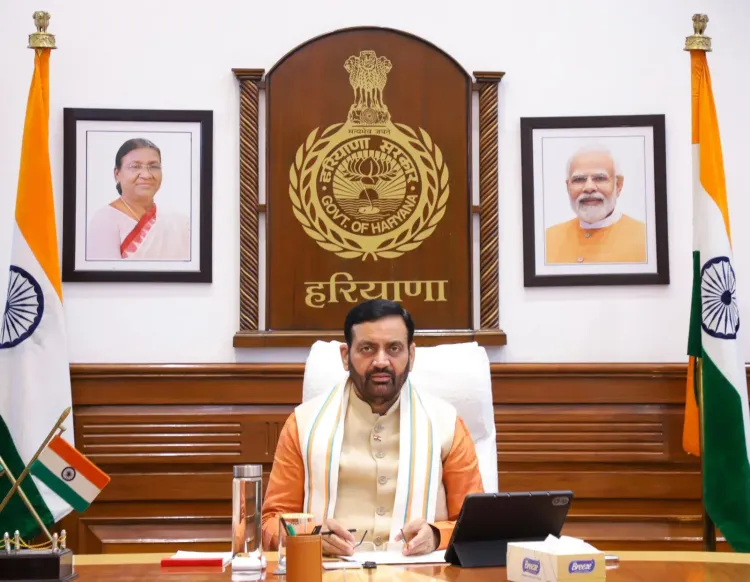
Haryana CM Nayab Saini chaired a Kharif 2026 procurement review in Chandigarh on October 13, directing officials to identify mandi-adjacent storage spaces, arrange fencing and rain protection, and ensure timely crop lifting to prevent farmer hardship.
Key Takeaways
CM Nayab Saini held a review meeting in Chandigarh on October 13, 2026 for Kharif procurement season preparations.
Officials were directed to identify and fence open spaces outside mandis for temporary crop storage ahead of the season.
Rain-protection arrangements for stored grain must be put in place in a timely manner.
Procured crop lifting must happen within stipulated schedules; inter-departmental coordination and regular monitoring are mandatory.
Any logistical shortfall must be addressed immediately to prevent farmer hardship in storage, procurement, or lifting.
Haryana is a major contributor to India's central grain pool under the MSP procurement system, making mandi-level preparation consequential at the national level.
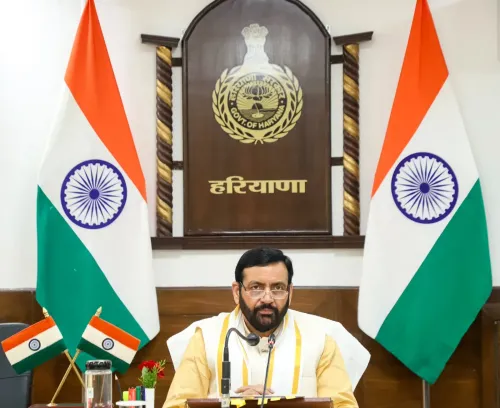
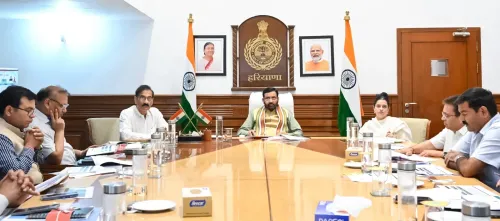
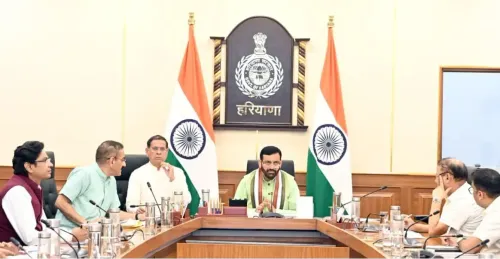
Ahead of the Kharif 2026 procurement season, Haryana Chief Minister Nayab Saini chaired a high-level review meeting in Chandigarh on Tuesday, October 13 — zeroing in on one recurring pressure point that costs farmers both time and crop: what happens to grain before it ever reaches a buyer.
The Chief Minister's Office of Haryana shared that CM Saini reviewed preparations for the Kharif kharid season-2026 (Kharif procurement season 2026), with discussions centering on identifying open spaces outside mandis for temporary crop storage, fencing those areas, and putting rain-protection arrangements in place well before the season kicks off.
Three Orders CM Saini Put on the Table
The directions from the review were pointed. Saini instructed officials to ensure that all logistics are wrapped up on schedule, that lifting of procured crop happens within the stipulated timeframe, and that relevant departments work in close coordination while conducting regular monitoring. Any gap identified must be fixed immediately — the explicit goal being that farmers face zero hardship at the stages of storage, procurement, and lifting. The emphasis on pre-identified open storage spaces with fencing and weather-proofing addresses a well-known mandi-season flashpoint: paddy arriving at yards faster than covered space can absorb it, leaving grain exposed to unseasonal rain and leading to quality downgrades or outright rejection.Why Haryana's Mandi Network Makes This Review Matter
Haryana is one of India's largest contributors to the central grain pool, participating in the MSP procurement system for paddy and other kharif crops through a network of mandis coordinated with central agencies. State-level pre-season reviews of this kind are standard administrative practice — but their quality directly shapes how smoothly thousands of farmers move grain from field to payment. A missed storage arrangement or a delayed lifting schedule can cascade into farmer distress within days of the season opening. CM Nayab Saini, who took charge of Haryana in March 2024, has consistently flagged farmer-facing logistics as a priority in state governance. The October timing of this review — right at the threshold of the kharif arrival window — signals an attempt to front-load problem-solving rather than firefight once queues build up at mandi gates. Whether the identified storage sites are operationalised and lifting schedules hold once the paddy rush begins will be the real test. The mandis will answer that question soon enough.Point of View
But their execution quality separates routine administration from genuine farmer welfare. By directing officials to identify storage sites, fence yards, and lock in lifting schedules before the kharif rush begins, Saini is attempting to convert a perennial reactive crisis into a managed operation. For a BJP-governed state that positions agricultural welfare as a political cornerstone, visible preparedness ahead of a major crop arrival window also carries a clear signalling value. The metric to watch is not the review itself but whether mandi infrastructure and lifting timelines actually hold once paddy volumes peak.
NationPress
13 Oct 2026
Frequently Asked Questions
What is the Kharif procurement season in Haryana?
The Kharif procurement season is the annual window during which state agencies purchase paddy and other summer-sown crops from farmers at the government-fixed Minimum Support Price (MSP), typically beginning in October at mandis across Haryana.
What did CM Nayab Saini direct officials to do for Kharif 2026?
CM Saini directed officials to identify open storage spaces outside mandis, fence them, arrange rain protection for stored crop, ensure timely lifting after procurement, and maintain inter-departmental coordination with regular monitoring.
Why is open storage space outside mandis important during kharif season?
Mandis often receive more grain than their covered yards can handle during peak arrival days. Pre-identified open spaces with fencing and weather-proofing prevent procured paddy from being damaged by rain or quality downgrades that lead to farmer losses.
What is Haryana's role in India's MSP procurement system?
Haryana is one of India's major grain-surplus states and contributes significantly to the central grain pool managed through the MSP system, with state agencies coordinating mandi-level operations and logistics for paddy and other kharif crops.
When did Nayab Saini become Chief Minister of Haryana?
Nayab Saini became Chief Minister of Haryana in March 2024 , representing the BJP.