CM Nayab Saini Reviews CMR Delivery, Kharif Prep in Chandigarh
Synopsis
Haryana CM Nayab Saini held a pre-season review in Chandigarh on 6 August 2026 with officials and rice mill operators on Custom Milled Rice delivery and Kharif paddy procurement readiness, issuing directives to protect farmer interests and meet central pool targets.
Key Takeaways
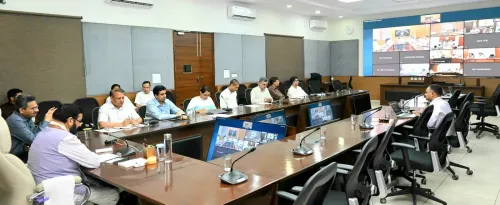
CM Nayab Saini chaired the review meeting in Chandigarh on 6 August 2026 .
The meeting covered CMR delivery timelines , Kharif procurement readiness, and farmer welfare.
Custom Milled Rice (CMR) is paddy bought at MSP , milled by private operators, and supplied to FCI for the national buffer.
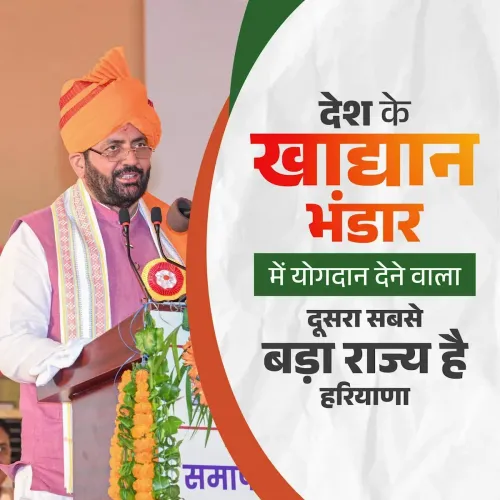
Haryana is a major surplus paddy state and a critical contributor to India's central food stocks.
The Kharif Marketing Season typically opens in October ; pre-season groundwork is essential to ensure timely farmer payments.
Directives were issued to officials and mill operators to ensure smooth, time-bound operations ahead of the harvest.
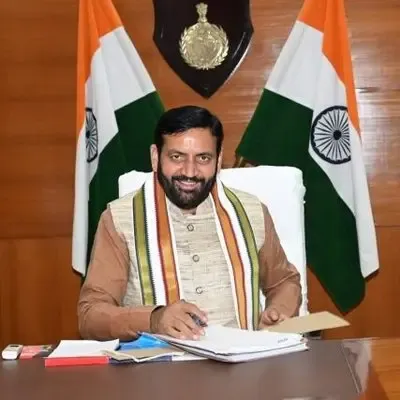
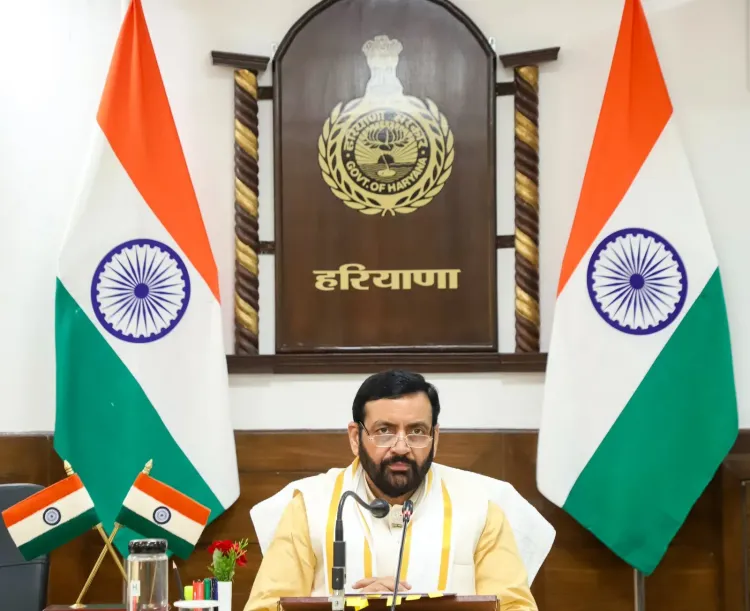
Before the paddy harvest even begins, Haryana Chief Minister Nayab Singh Saini is already tightening the supply chain. On Thursday, 6 August 2026, the Chief Minister's Office of Haryana announced that CM Saini convened a high-level review meeting in Chandigarh with officials and rice mill operators to assess Custom Milled Rice (CMR) delivery status and readiness for the upcoming Kharif Marketing Season.
The meeting, held at the state capital, covered three core concerns: timely CMR delivery to the central pool, preparedness for paddy procurement, and safeguarding the interests of Haryana's paddy farmers. Necessary directives were issued to all stakeholders present.
What CMR means for Haryana's farmers and India's food stocks
Custom Milled Rice is the backbone of India's decentralised food procurement architecture. Under the system, paddy purchased from farmers at the government-mandated Minimum Support Price (MSP) is handed to private mill operators, who mill it and supply the finished rice to the Food Corporation of India (FCI) for the national buffer. Haryana, alongside Punjab, is one of the primary surplus states that feeds this central pool — making every delay in milling or delivery a ripple felt across the national food security system.
The Food Corporation of India was established in 1965 precisely to manage this pipeline. Six decades on, the machinery still depends on states holding pre-season reviews exactly like the one CM Saini chaired today — ensuring mill operators are aligned, logistics are locked, and farmers are not left waiting for payments once procurement opens.
Why August matters before October's paddy rush
The Kharif Marketing Season typically opens in October, when freshly harvested paddy begins arriving at mandis across Haryana. But the groundwork — assigning mill capacity, clearing pending CMR dues, resolving operator disputes — must be done weeks in advance. A bottleneck at the milling stage translates directly into delayed MSP payments to farmers, which is politically and economically consequential in a state where paddy cultivation is widespread.
By convening millers and officials together in a single review, the Chief Minister's Office signals that accountability runs both ways: the state expects timely delivery from operators, and farmers can expect timely payment from the state. The directives issued at the meeting are intended to set that expectation in writing before the season's pressure arrives.
With October's procurement window approaching and national food buffer targets to meet, Haryana's pre-season discipline will be the difference between a smooth harvest cycle and a logistical scramble.
Point of View
Not a bureaucratic formality — a posture that carries political weight in a paddy-farming state. It fits a broader pattern in which BJP-governed surplus states use high-profile ministerial reviews to demonstrate farmer-first credentials ahead of procurement cycles. The real test will come in October, when actual milling throughput and MSP payment timelines either validate or undercut today's directives. Haryana's performance also feeds directly into national food security arithmetic, giving the Centre a stake in whether these state-level reviews translate into delivery.
NationPress
21 Sept 2026
Frequently Asked Questions
What is Custom Milled Rice (CMR) in Haryana?
Custom Milled Rice is paddy procured from farmers at the government's Minimum Support Price (MSP) and handed to private rice mill operators, who mill it and supply the finished rice to the Food Corporation of India for India's central food buffer stock.
Why did CM Nayab Saini hold a review meeting on CMR in August 2026?
The Kharif Marketing Season for paddy typically opens in October, and pre-season reviews in August allow the state to resolve pending CMR deliveries, align mill capacity, and issue directives so that procurement and farmer payments proceed without delays once the harvest arrives.
What is the Kharif Marketing Season and when does it start?
The Kharif Marketing Season is the annual government procurement window for monsoon-sown crops like paddy. In Haryana it typically begins in October, when freshly harvested paddy starts arriving at government purchase centres (mandis).
How does Haryana contribute to India's food security?
Haryana is one of India's major surplus paddy-producing states. Along with Punjab, it supplies a large share of the rice that enters the FCI-managed central pool, which is used to meet the National Food Security Act's obligations for subsidised grain distribution across the country.
Who attended the CMR review meeting chaired by CM Saini?
The meeting in Chandigarh on 6 August 2026 was attended by state officials and rice mill operators. Detailed discussions covered time-bound CMR delivery, paddy procurement preparedness, and issues related to farmer welfare, after which necessary directives were issued.