CM Nitish Orders Faster Panchayat Buildings, Power Data Sharing
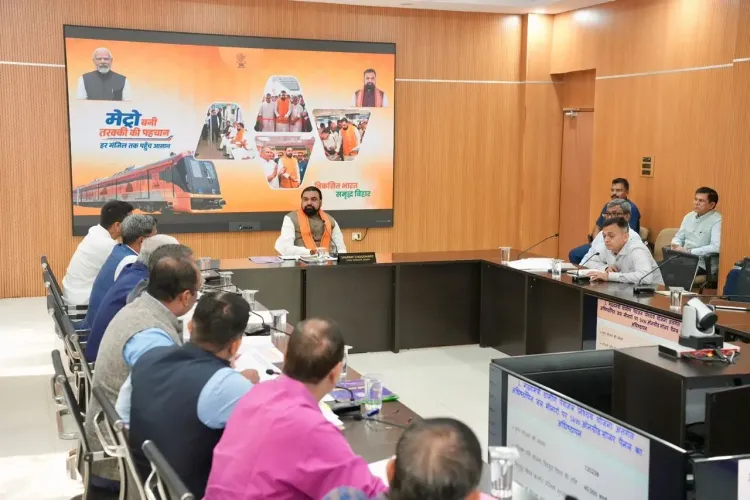
Synopsis
Chief Minister Nitish Kumar has directed Bihar officials to speed up Panchayat Sarkar Bhawan construction, ensure proper maintenance, and share panchayat-level electricity supply data with elected representatives — a push to operationalise grassroots governance.
Key Takeaways
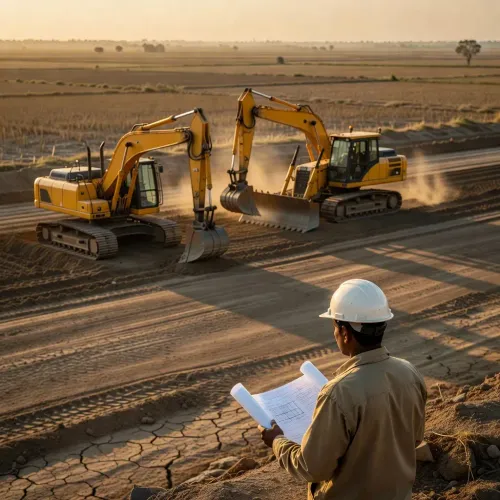
CM Nitish Kumar directed expedited construction of Panchayat Sarkar Bhawans across Bihar on 6 November 2026 .
Officials were also instructed to put in place better maintenance arrangements for completed buildings.
The Chief Minister emphasised that electricity supply data for panchayats must be made accessible to elected janpratinidhis .
The directives reinforce Bihar's post- 73rd Constitutional Amendment drive to give gram panchayats functional physical infrastructure.
District-level completion reports and a possible electricity data portal for panchayats are the key implementation milestones to watch.
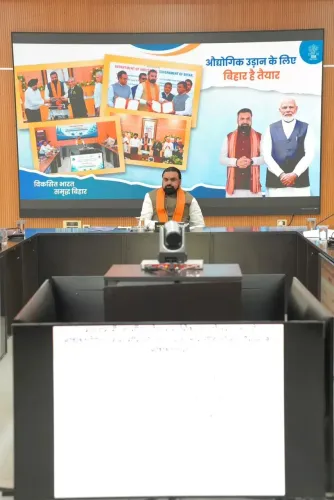
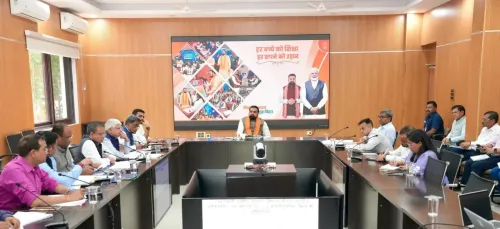
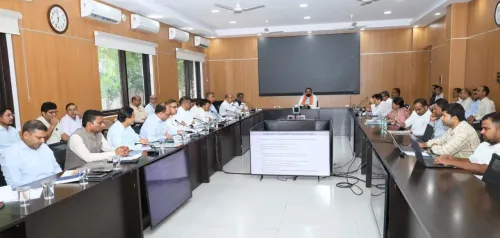
Bihar's villages are waiting for their local government offices to actually exist — and Chief Minister Nitish Kumar has now moved to close that gap. On Friday, 6 November 2026, the Chief Minister's Office of Bihar announced that the Chief Minister has directed officials to accelerate construction of Panchayat Sarkar Bhawans and ensure robust maintenance arrangements, while also pushing for electricity supply data to be made available directly to elected panchayat representatives.
The official post read: 'Mananiya Mukhyamantri ji ne Panchayat Sarkar Bhawanon ke nirman karya mein tezi lane evam unke behtar rakh-rakhaav ki vyavastha sunishchit karne ke nirdesh diye. Saath hi panchayaton mein bijli aapurti se sambandhit jaankari janpratinidhiyon ko bhi uplabdh karaane par zor diya.' — that is, the Chief Minister directed that construction of Panchayat Sarkar Bhawans be expedited and proper maintenance ensured, and that electricity supply information for panchayats be shared with elected representatives.What Panchayat Sarkar Bhawans are meant to deliver
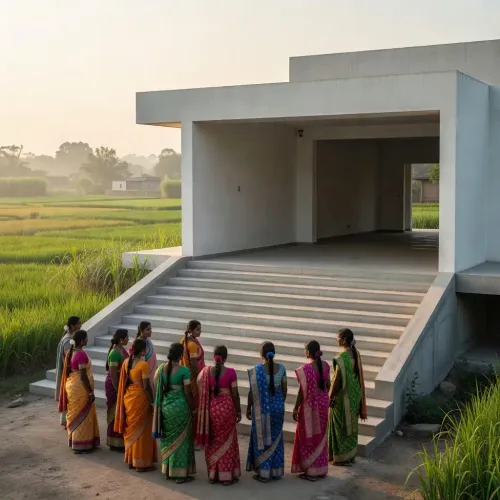
The Panchayat Sarkar Bhawan scheme is Bihar's answer to a long-standing structural gap: gram panchayats — the constitutional bedrock of local self-governance — often have no dedicated building from which to function. Without a physical office, panchayat secretaries work out of private homes or community spaces, records go missing, and citizens have nowhere reliable to go. The scheme aims to give every gram panchayat its own purpose-built government facility.
The push draws directly from the mandate of the 73rd Constitutional Amendment of 1992, which recognised panchayati raj institutions as units of self-governance. Bihar has pursued successive programmes since then to convert that constitutional promise into brick-and-mortar reality — but construction timelines have repeatedly slipped, making periodic high-level intervention a recurring feature of the state's administrative calendar.
Why sharing electricity data with elected reps matters
The second directive — linking electricity supply data to janpratinidhis (elected representatives) — is smaller in scale but pointed in intent. Panchayat-level elected members often have no visibility into the power supply situation of their own jurisdiction: how many hours of supply were delivered, which habitations faced outages, and when restoration is expected. Without that data, accountability is impossible.
Making this information available to ward members and panchayat heads creates a feedback loop: local representatives can flag discrepancies, follow up with the discom, and report back to constituents. It fits a broader Bihar pattern of using information transparency as a governance lever at the lowest tier of administration — small data, big accountability shift.
The pattern behind the directive
Nitish Kumar's government has issued similar construction-pace and maintenance directives periodically, signalling that the gap between scheme announcement and ground reality remains a persistent challenge. The watch now shifts to district-level progress reports on building completions and whether a formal electricity data portal or dashboard for panchayat use follows these instructions. Orders from the Chief Minister's Office carry weight — but it is implementation at the block and district level that will determine whether this round of instructions moves the needle.
Bihar's rural governance architecture is only as strong as its weakest panchayat office. The Chief Minister has set the direction — now the construction crews and data systems have to deliver.
Point of View
Reinforcing panchayat infrastructure serves both administrative and political logic: strong local bodies are a visible delivery of the 73rd Amendment's promise, and empowered ward representatives can be effective last-mile communicators for state welfare schemes.
NationPress
7 Nov 2026
Frequently Asked Questions
What is the Panchayat Sarkar Bhawan scheme in Bihar?
The Panchayat Sarkar Bhawan scheme builds dedicated office buildings for gram panchayats in Bihar, giving local bodies a fixed physical space from which to administer services, maintain records, and serve citizens — directly supporting the constitutional mandate for panchayati raj institutions.
Why did CM Nitish Kumar issue directions on Panchayat Sarkar Bhawans?
CM Nitish Kumar directed officials to accelerate construction and ensure proper maintenance because building timelines for Panchayat Sarkar Bhawans have faced delays, requiring periodic high-level intervention to keep the programme on track.
What is the significance of sharing electricity data with panchayat representatives?
Sharing panchayat-level electricity supply data with elected representatives allows ward members and panchayat heads to monitor power availability, flag outages, and hold utilities accountable — improving transparency at the lowest tier of government.
What is the 73rd Constitutional Amendment and how does it relate to this?
The 73rd Constitutional Amendment of 1992 formally recognised gram panchayats as institutions of local self-governance in India. Bihar's Panchayat Sarkar Bhawan programme is part of its long-running effort to give these bodies the infrastructure needed to exercise that constitutional role effectively.
What should we watch for after CM Nitish Kumar's panchayat directives?
Key indicators include district-level progress reports on building completions, any new state orders establishing an electricity data portal or dashboard for panchayat elected representatives, and block-level implementation timelines issued by the rural development department.