Omar Abdullah revamps J&K cancer fund, raises aid to ₹75,000 for poor
Synopsis
J&K's cancer caseload has climbed 11% in five years, and the existing support fund was struggling to keep pace. CM Omar Abdullah's overhaul — tripling repeat-sanction rights, raising the income ceiling to ₹4 lakh, boosting aid to ₹75,000, and shifting to DBT — is the most significant structural reform of the CTMFP since its inception, arriving just as daily diagnoses near 40 cases.
Key Takeaways
J&K Chief Minister Omar Abdullah approved a comprehensive overhaul of the Cancer Treatment and Management Fund for the Poor (CTMFP) on 2 September .
Financial assistance has been raised to ₹75,000 , with the annual income eligibility ceiling set at ₹4 lakh .
Beneficiaries may now receive repeat assistance for up to three sanctions , up from a single-sanction limit.
Coverage is extended to all hospitals empanelled under PMJAY-SEHAT ; payments will be routed via Direct Benefit Transfer (DBT) .
J&K recorded 68,804 estimated cancer cases between 2021 and 2025, an 11% rise , according to NCRP data tabled in Parliament.
Daily detection grew from about 36 cases in 2021 to nearly 40 cases per day in 2025 .
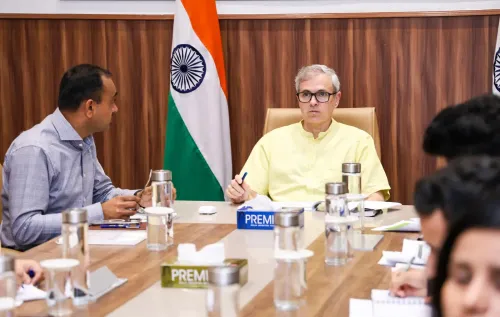
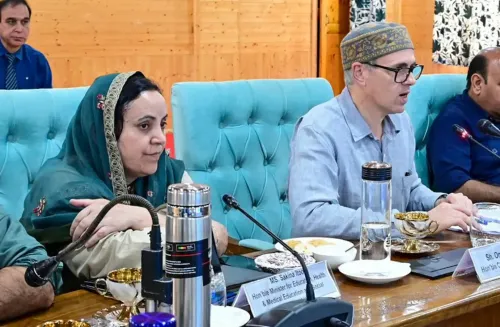
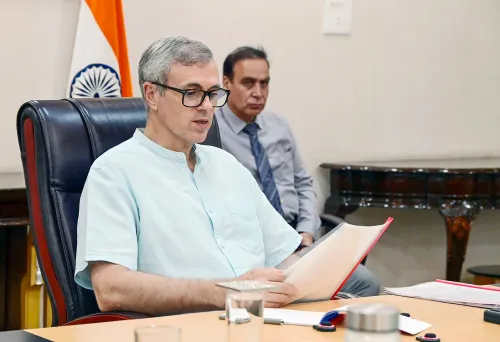
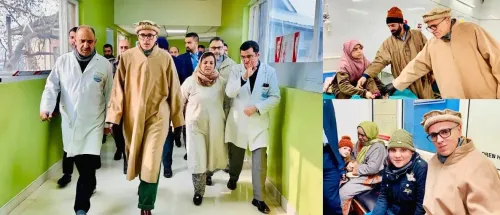
Jammu and Kashmir Chief Minister Omar Abdullah on Wednesday, 2 September approved a sweeping overhaul of the Cancer Treatment and Management Fund for the Poor (CTMFP), raising financial assistance limits and widening eligibility to bring more economically vulnerable cancer patients under the scheme's cover. The revamped fund is designed to be more accessible, compassionate, and patient-centric, according to the Chief Minister's Office.
Key Changes in the Revised Scheme
The reformed CTMFP raises the annual income eligibility ceiling to ₹4 lakh, making a significantly larger share of low-income households eligible. Financial assistance has been enhanced to ₹75,000, and beneficiaries may now receive repeat assistance for up to three sanctions — a provision absent in the earlier framework. The scheme also extends coverage to all hospitals empanelled under PMJAY-SEHAT, broadening the network of treatment facilities accessible to fund recipients.
'Chief Minister has approved a comprehensive overhaul of the Cancer Treatment and Management Fund for the Poor (CTMFP), making the scheme more compassionate, accessible and patient-centric,' the Chief Minister's Office stated in a post on X.
Direct Benefit Transfer to Speed Up Disbursals
A critical structural change is the shift to Direct Benefit Transfer (DBT), under which financial assistance will be credited directly into beneficiaries' bank accounts. The move is intended to minimise delays and eliminate intermediary bottlenecks that had previously slowed support reaching patients at critical stages of treatment. The Chief Minister's Office said the reforms are aimed at providing greater support to cancer patients from economically weaker sections and making the assistance mechanism more efficient.
Rising Cancer Burden in Jammu and Kashmir
The overhaul comes against the backdrop of a steadily worsening cancer situation in the union territory. According to data from the National Cancer Registry Programme (NCRP) tabled in Parliament, J&K recorded an estimated 68,804 cancer cases between 2021 and 2025. Annual figures climbed from 13,060 in 2021 to 13,395 in 2022, 13,744 in 2023, 14,112 in 2024, and 14,493 in 2025 — an 11% rise over five years. Average daily detection grew from approximately 36 cases in 2021 to nearly 40 cases per day in 2025.
Among men, stomach (gastric) cancer is the most frequently diagnosed malignancy, followed closely by lung cancer. In women, breast cancer leads, with stomach cancer ranking second. Experts attribute the rising caseload to dietary habits — including heavy consumption of salted and fried foods — heavy smoking, lifestyle changes, and environmental factors specific to the region.
Why This Overhaul Matters
Cancer treatment costs routinely push low-income families into financial distress, and the previous CTMFP structure — with lower income thresholds and a single-sanction cap — left many patients without sustained support through multi-cycle therapies. By allowing repeat sanctions and routing payments through DBT, the revised scheme addresses two of the most persistent criticisms of the earlier model. This comes amid growing pressure on J&K's health infrastructure to respond to a cancer burden that has risen by more than one confirmed case per day on average each year since 2021.
With implementation details yet to be publicly released, the pace and reach of rollout will determine whether the reformed CTMFP translates its enhanced provisions into measurable relief for patients on the ground.
Point of View
But its real test lies in execution speed — DBT works only if beneficiary bank-account seeding is complete, and PMJAY-SEHAT hospital empanelment in remote districts of J&K remains patchy. The 11% rise in cancer cases over five years is not a statistical blip; it reflects structural risk factors — diet, smoking, environment — that a financial assistance fund alone cannot address. Abdullah's government will need a parallel push on early detection infrastructure if the fund is to reach patients before costs become catastrophic. The shift from single to triple sanctions is the most substantive change, but the ₹75,000 ceiling may still fall short of the actual cost of multi-cycle chemotherapy or surgical intervention at tertiary centres outside J&K.
NationPress
2 Sept 2026
Frequently Asked Questions
What is the Cancer Treatment and Management Fund for the Poor (CTMFP) in J&K?
The CTMFP is a Jammu and Kashmir government scheme that provides financial assistance to economically weaker cancer patients for treatment costs. CM Omar Abdullah approved a major overhaul of the fund on 2 September, raising the aid amount to ₹75,000 and widening eligibility criteria.
What are the key changes in the revised CTMFP scheme?
The revised scheme raises the annual income eligibility ceiling to ₹4 lakh, increases financial assistance to ₹75,000, and allows repeat assistance for up to three sanctions. It also extends coverage to all PMJAY-SEHAT-empanelled hospitals and introduces Direct Benefit Transfer for faster payouts.
How serious is the cancer burden in Jammu and Kashmir?
According to National Cancer Registry Programme data tabled in Parliament, J&K recorded an estimated 68,804 cancer cases between 2021 and 2025 — an 11% rise over the period. Daily detection grew from about 36 cases in 2021 to nearly 40 cases per day in 2025.
What types of cancer are most common in J&K?
Among men, stomach (gastric) cancer is the most frequently diagnosed malignancy, followed by lung cancer. In women, breast cancer is the most common, with stomach cancer ranking second. Experts link the rising cases to dietary habits, heavy smoking, lifestyle changes, and environmental factors.
How will the Direct Benefit Transfer change affect cancer patients under CTMFP?
Under the revised scheme, financial assistance will be credited directly into beneficiaries' bank accounts via DBT, replacing earlier disbursement methods. This is intended to minimise delays and ensure timely financial support reaches patients at critical stages of treatment.