CM Bhupendra Patel Hails PM-KISAN on Modi's 12 Years
Synopsis
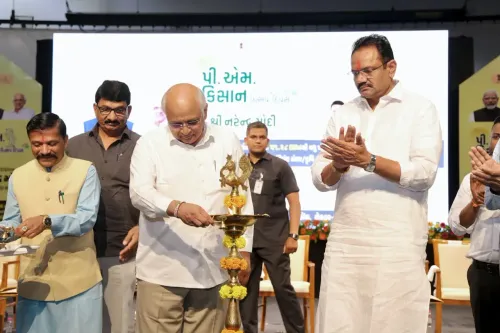
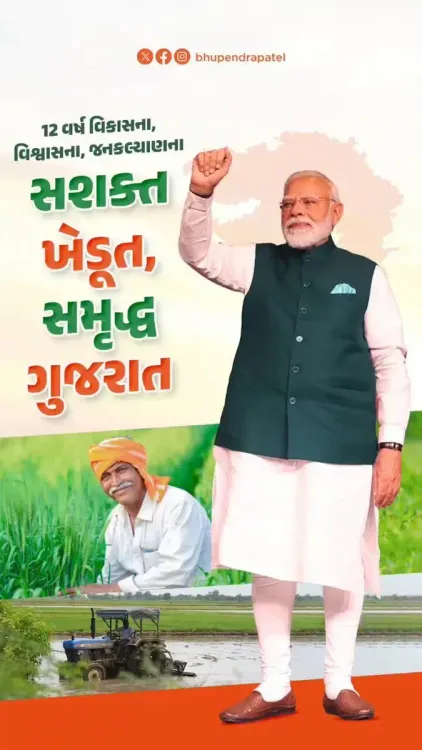
Gujarat Chief Minister Bhupendra Patel on 11 June 2026 highlighted PM-KISAN as a symbol of 12 years of PM Modi's governance, saying the scheme has opened doors of economic prosperity for farmers across Gujarat and India.
Key Takeaways
Gujarat CM Bhupendra Patel posted on 11 June 2026 praising PM-KISAN as part of BJP's #12YearsOfKisanSamriddhi campaign.
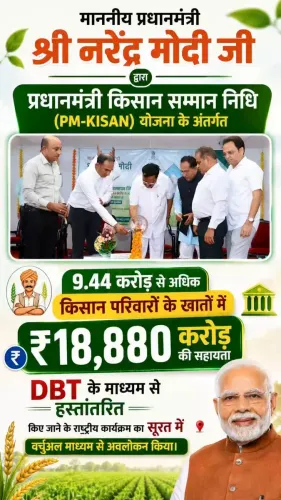
PM-KISAN was launched on 1 February 2019 , providing ₹6,000 per year to eligible farmer families via Direct Benefit Transfer.
The scheme targets small and marginal farmers and is one of India's largest direct income-support programmes.
Gujarat is among the states with high enrolment under PM-KISAN, covering farmers in key crops like groundnut, cotton, and wheat.
The post is part of coordinated BJP messaging marking 12 years of the Modi government's farm-welfare initiatives.
Next Union Budget allocations and any Gujarat-specific top-up announcements will be key indicators of the scheme's trajectory.
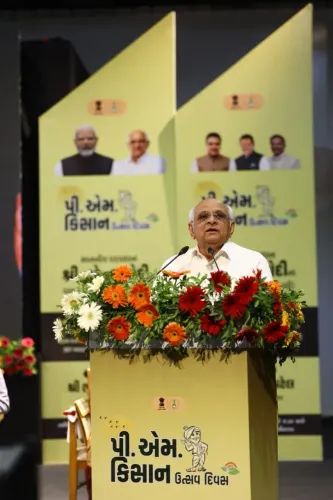
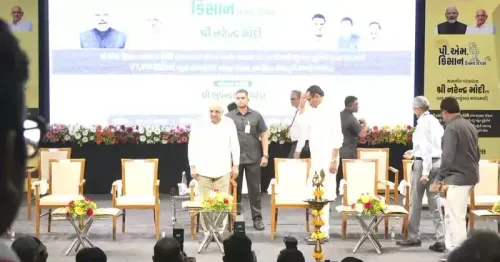
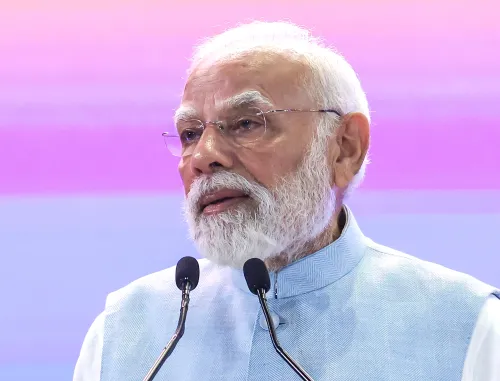
Gujarat Chief Minister Bhupendra Patel on Thursday, 11 June 2026, lauded the Pradhan Mantri Kisan Samman Nidhi (PM-KISAN) scheme, marking 12 years of Prime Minister Narendra Modi in office by crediting the period with bringing prosperity to farmers across Gujarat and the country.
Context
Posting in Gujarati under the hashtag #12YearsOfKisanSamriddhi, Chief Minister Patel wrote that PM-KISAN 'has opened the doors of economic prosperity for farmers across the country, including Gujarat,' and that Prime Minister Modi's 12 years as head of government 'have brought a gift of prosperity for the annadata [food providers].' The post is part of a coordinated BJP campaign marking a dozen years of the Modi government, with state leaders amplifying the messaging on farmer welfare.
Policy Backdrop
PM-KISAN was launched on 1 February 2019 as a central sector scheme providing eligible landholding farmer families with ₹6,000 per year in three equal instalments, delivered directly to bank accounts through the Direct Benefit Transfer mechanism. The scheme targets small and marginal farmers and has since been extended to cover all eligible landholding farmer families, making it one of the largest direct income-support programmes in the country. Gujarat has consistently been among the states with high enrolment under the scheme.
The BJP's broader farm-welfare messaging since 2014 has encompassed multiple instruments — soil health cards, crop insurance reform, and e-NAM market linkages — with PM-KISAN serving as the flagship direct-transfer component. State governments, including Gujarat's, have periodically explored top-up transfers to complement the central disbursement.
Stakeholders and Impact
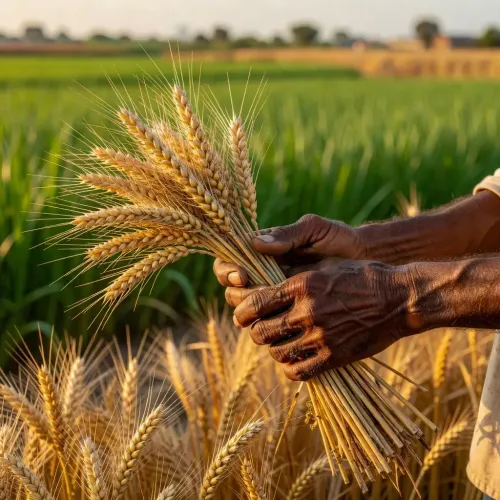
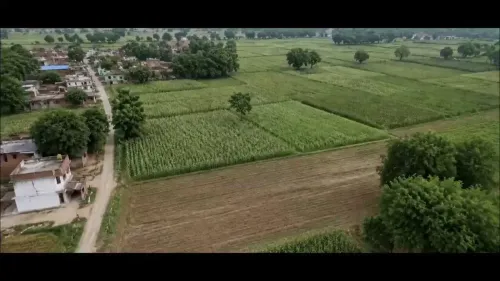
The primary beneficiaries of PM-KISAN are small and marginal farmers, who depend on seasonal income and are most exposed to price volatility and monsoon uncertainty. Direct cash transfers under the scheme are intended to help cover input costs at the start of each crop cycle. For Gujarat, an agriculturally diverse state with significant groundnut, cotton, and wheat cultivation, timely disbursements have been a recurring political and administrative priority.
Chief Minister Patel's post signals continued state-level ownership of the scheme's visibility, reinforcing the political link between the BJP-led Union government's welfare architecture and Gujarat's rural electorate. Opposition voices have in the past questioned whether the ₹6,000 annual support is adequate given rising input costs, a debate that is likely to resurface ahead of future budget cycles.
What's Next
Attention will now turn to the next Union Budget and whether the per-beneficiary amount under PM-KISAN is revised upward — a demand that farmer groups and some state governments have repeatedly raised. Any announcement of a Gujarat-specific top-up to the central transfer would be a significant follow-through to Chief Minister Patel's messaging. The Ministry of Agriculture's periodic disbursement data releases will also be watched to assess scheme coverage and fund utilisation across states.
Point of View
Making it harder for critics to isolate any single policy shortfall. At ₹6,000 per year, the scheme's adequacy remains contested, and the absence of any upward revision announcement keeps that vulnerability open. The post nonetheless signals that Gujarat's BJP leadership views farmer welfare messaging as electorally durable and intends to keep it front and centre.
NationPress
26 Oct 2026
Frequently Asked Questions
What is PM-KISAN and how much money do farmers get?
PM-KISAN, or Pradhan Mantri Kisan Samman Nidhi, is a central government scheme that provides eligible landholding farmer families with ₹6,000 per year, paid in three instalments of ₹2,000 each directly into their bank accounts.
When was PM-KISAN launched?
PM-KISAN was launched on 1 February 2019 by the Union government as a direct income-support programme for small and marginal farmers across India.
Why did Gujarat CM Bhupendra Patel post about PM-KISAN in June 2026?
Chief Minister Patel's post was part of the BJP's #12YearsOfKisanSamriddhi campaign marking 12 years of Prime Minister Narendra Modi's government, crediting the period with expanded farmer welfare measures including PM-KISAN.
Who benefits from PM-KISAN in Gujarat?
Small and marginal landholding farmer families in Gujarat are eligible for PM-KISAN, including those cultivating major crops such as groundnut, cotton, and wheat.
Will the PM-KISAN amount be increased?
No official announcement of an increase has been made as of the post date. Farmer groups and some state governments have repeatedly called for a revision above the current ₹6,000 per year, and the next Union Budget is expected to be a key moment to watch for any such change.