Bhupender Yadav hails 12 years of Modi govt farmer schemes
Synopsis
Union Environment Minister Bhupender Yadav marked twelve years of Modi government farm initiatives on June 11, 2026, spotlighting PM-KISAN direct transfers, the Kisan Credit Card, and Pradhan Mantri Fasal Bima Yojana as cornerstones of a sustained push to make agriculture more secure and profitable for small and marginal farmers.
Key Takeaways
Bhupender Yadav posted on June 11, 2026 under #12YearsOfKisanSamriddhi , marking over a decade of Modi government farmer welfare measures.
PM-KISAN provides eligible farmer families Rs 6,000 per year in direct income support; it was made effective from December 2018 .
The Pradhan Mantri Fasal Bima Yojana , launched in January 2016 , replaced older crop insurance schemes to offer broader yield-loss protection.
The Kisan Credit Card scheme received renewed focus through interest subvention and saturation drives from 2018 onwards.
The three schemes together target small and marginal farmers — addressing income, credit, and risk in tandem.
Next Union Budget allocations for agriculture will be a key indicator of the government's continued commitment to these programmes.
Union Environment Minister Bhupender Yadav on Thursday, June 11, 2026, took to X to mark what he described as twelve years of transformative agricultural initiatives under the Modi government, highlighting three flagship programmes — PM-KISAN, the Kisan Credit Card, and Pradhan Mantri Fasal Bima Yojana — as pillars of farmer welfare.
Context
Yadav's post, carrying the hashtag #12YearsOfKisanSamriddhi ('12 years of farmer prosperity'), states: 'Kisan Samman Nidhi gave economic support, the Kisan Credit Card gave new strength to farming, and crop insurance increased confidence of protection against risks.' The message frames the past twelve years as a period of 'positive change' in farmers' lives driven by 'many historic initiatives.'
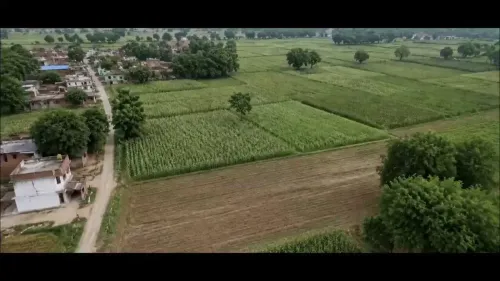
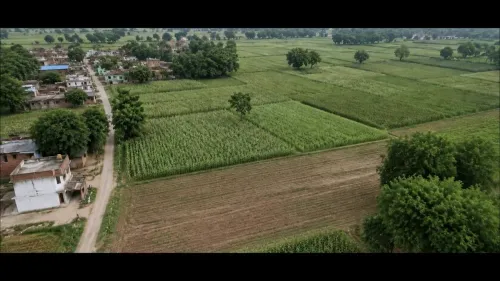
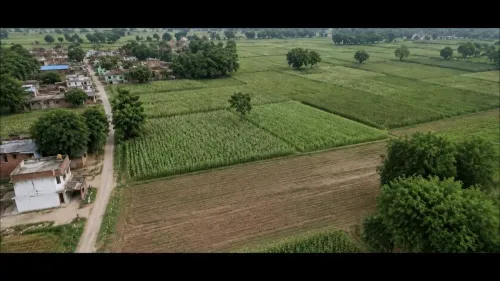
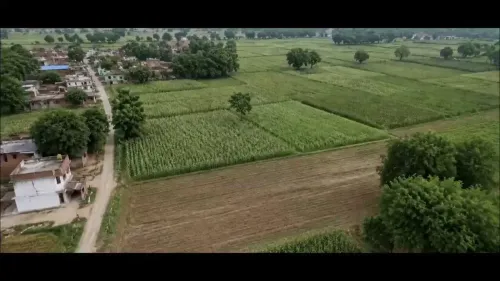
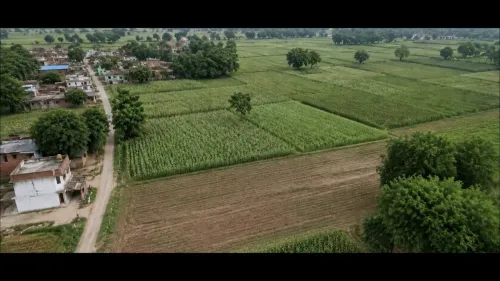
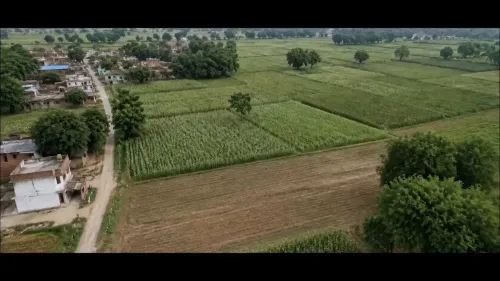
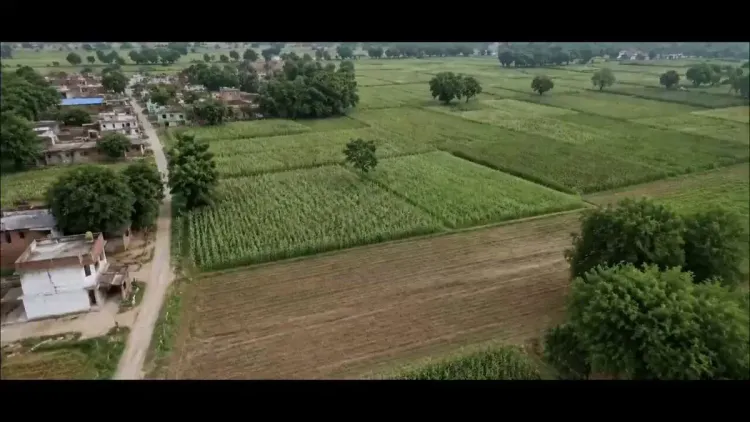
The post is accompanied by a video and is part of a broader BJP communications push marking over a decade of the Narendra Modi-led government at the Centre, which began in May 2014.
Policy Backdrop
PM-KISAN — formally the Pradhan Mantri Kisan Samman Nidhi — provides eligible landholding farmer families a direct income transfer of Rs 6,000 per year in three instalments. Announced in the February 2019 interim budget, it was made effective from December 2018 and has since been one of the largest direct benefit transfer programmes in the country.
The Pradhan Mantri Fasal Bima Yojana, launched in January 2016, replaced earlier crop insurance schemes such as the National Agricultural Insurance Scheme and the Modified NAIS, aiming to provide more comprehensive yield-loss cover to cultivators. The Kisan Credit Card scheme, a longstanding credit facility, received renewed impetus through interest subvention policies and saturation campaigns from 2018 onwards, extending formal credit access to a wider base of farmers.
Stakeholders and Impact
The primary beneficiaries of these three schemes are small and marginal farmers, who constitute the majority of India's agricultural workforce and are most exposed to income volatility, credit exclusion, and crop-loss risk. Direct income support through PM-KISAN, formal credit through the Kisan Credit Card, and risk cover through crop insurance together address three distinct but interlinked vulnerabilities in the agrarian economy.
Successive Union budgets since 2014 have reinforced direct transfers, formal credit, and insurance as the primary instruments of farm-income support, situating these programmes within a longer arc of agricultural modernisation that also encompasses technology adoption and improved market linkages.
What's Next
Attention will now turn to the next Union Budget and whether allocations for agriculture — particularly for PM-KISAN instalments, Fasal Bima premium subsidies, and Kisan Credit Card interest subvention — are revised upward in line with the government's stated commitment to farmer prosperity. Any changes to scheme eligibility criteria or coverage norms will be closely watched by farmer groups and state governments that co-implement several of these programmes.
Point of View
Weaving together three schemes that span income support, credit access, and risk mitigation — the trifecta the BJP has consistently used to define its agricultural record. By anchoring the communication in scheme names rather than disbursement figures, the post sidesteps scrutiny of outcomes while reinforcing brand recall ahead of budget season. The #12YearsOfKisanSamriddhi hashtag signals a coordinated party-wide communications effort, not an isolated ministerial statement. For the opposition, the absence of specific outcome data leaves room to question whether scheme reach has translated into measurable improvements in farmer incomes.
NationPress
23 Sept 2026
Frequently Asked Questions
What is PM-KISAN and how much money do farmers get?
PM-KISAN, or Pradhan Mantri Kisan Samman Nidhi, is a central government scheme that provides eligible landholding farmer families Rs 6,000 per year in three equal instalments of Rs 2,000 each, transferred directly to their bank accounts.
What is Pradhan Mantri Fasal Bima Yojana?
Pradhan Mantri Fasal Bima Yojana is a crop insurance scheme launched in January 2016 that covers farmers against yield losses due to natural calamities, pests, and diseases; it replaced earlier schemes such as the National Agricultural Insurance Scheme.
What is the Kisan Credit Card scheme?
The Kisan Credit Card is a credit facility that gives farmers access to short-term loans for agricultural needs at subsidised interest rates; the scheme received expanded reach and interest subvention support from 2018 onwards.
Why did Bhupender Yadav post about farmer schemes in June 2026?
Yadav's post is part of a BJP campaign marking twelve years of the Modi government, using the hashtag #12YearsOfKisanSamriddhi to highlight agricultural welfare initiatives launched or expanded since 2014.
Who benefits most from PM-KISAN and Fasal Bima Yojana?
Small and marginal farmers — who make up the majority of India's farming community — are the primary target beneficiaries, as they face the greatest exposure to income volatility, limited credit access, and crop-loss risk.