Pradhan Highlights 12 Years of Farmer Welfare Under Modi Govt
Synopsis
Union Education Minister Dharmendra Pradhan praised PM Modi's government for 12 years of farmer welfare, citing PM-KISAN, crop insurance, and the Kisan Credit Card as key instruments of agricultural empowerment under the #12YearsOfKisanSamriddhi campaign.
Key Takeaways
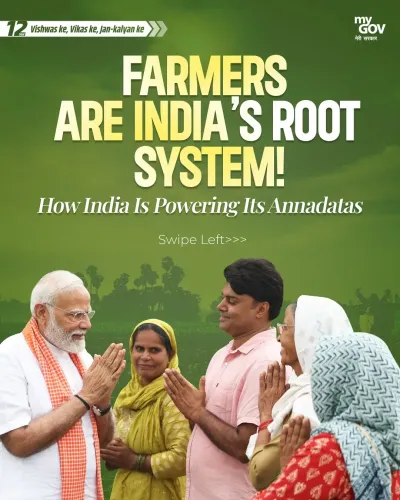
Union Education Minister Dharmendra Pradhan posted on X on June 11, 2026 , celebrating 12 years of farmer welfare under PM Narendra Modi .
PM-KISAN Samman Nidhi provides Rs 6,000 per year in direct income support to eligible farmer families and was launched in February 2019 .
The Pradhan Mantri Fasal Bima Yojana , introduced in 2016 , expanded crop insurance coverage against natural calamities.
The Kisan Credit Card scheme was revamped in 2018-19 to include animal husbandry and fisheries alongside traditional farming.
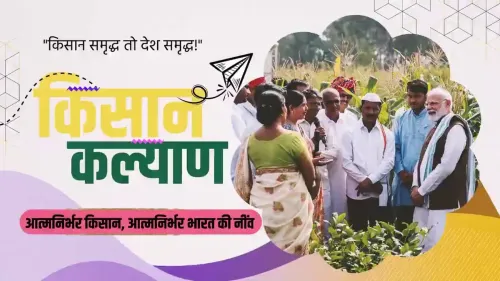
The post was part of the BJP's #12YearsOfKisanSamriddhi campaign highlighting the government's agricultural policy record.
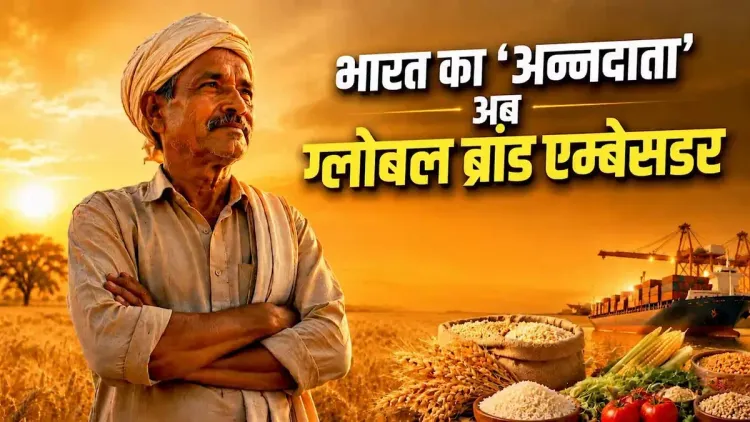
Union Education Minister Dharmendra Pradhan on Thursday, June 11, 2026, took to X to salute India's farming community and underline the central government's record on agricultural welfare over the past 12 years under Prime Minister Narendra Modi. The post, tagged #12YearsOfKisanSamriddhi, highlighted flagship schemes aimed at making farmers self-reliant and prosperous.
Context
Posting in Hindi, Pradhan wrote: 'हमारे अन्नदाता किसान भाई-बहनों की मेहनत और समर्पण से ही देश की समृद्धि का मार्ग प्रशस्त होता है' ('It is through the hard work and dedication of our farmer brothers and sisters that the path to national prosperity is paved'). He credited the Modi government's 12-year tenure with giving 'new momentum' to farmer welfare, specifically naming PM-Kisan Samman Nidhi, crop insurance, the Kisan Credit Card, and 'modern agricultural facilities' as instruments of empowerment.
The post is part of a broader BJP communication effort under the #12YearsOfKisanSamriddhi hashtag, marking over a decade of the Modi government's agricultural policy record.
Policy Backdrop
The schemes Pradhan cited have been cornerstones of the central government's rural outreach since 2014. PM-KISAN, launched in February 2019, provides direct income support of Rs 6,000 per year to eligible landholding farmer families through direct benefit transfers. The Pradhan Mantri Fasal Bima Yojana, introduced in 2016, replaced earlier crop insurance frameworks with expanded coverage against yield losses from natural calamities.
The Kisan Credit Card scheme was revamped in 2018-19 with higher credit limits and extended eligibility to cover animal husbandry and fisheries, broadening its reach beyond traditional crop cultivators. Together, these instruments represent a three-pronged approach — income support, risk mitigation, and credit access — to address farmer income volatility.
Stakeholders and Impact
India's agricultural sector supports a significant share of the country's rural households, making farmer welfare messaging politically and economically consequential, particularly in agrarian states. Direct transfer schemes such as PM-KISAN have been credited with improving liquidity at the farm level, while crop insurance uptake has expanded coverage to previously uninsured smallholders.
Critics and farm groups have, over the years, raised questions about the adequacy of the Rs 6,000 annual PM-KISAN transfer relative to input costs, and about claim settlement rates under the crop insurance programme. These debates continue to shape parliamentary and public discourse on agricultural support.
What's Next
Attention will now turn to the forthcoming Union Budget and whether allocations for agriculture and rural development are enhanced, along with any parliamentary discussion on modifications to existing schemes. The government's messaging on farmer welfare is expected to remain prominent as a political and policy priority, with the #12YearsOfKisanSamriddhi campaign signalling an intent to consolidate the narrative around a decade-plus of agricultural reform.
Point of View
Using the symbolic milestone of 12 years to consolidate the BJP's agrarian credentials ahead of what is typically a budget-sensitive period for farm policy. By naming specific schemes — PM-KISAN, Fasal Bima, and the Kisan Credit Card — the messaging moves beyond rhetoric to anchor the government's record in identifiable policy instruments. As a senior minister whose portfolio is education, not agriculture, Pradhan's intervention signals a party-wide push to amplify the #12YearsOfKisanSamriddhi narrative across the cabinet. The broader pattern suggests the BJP is actively managing perceptions of its farmer-welfare record, particularly as budget allocations and scheme outcomes face renewed scrutiny.
NationPress
20 Sept 2026
Frequently Asked Questions
What is PM-KISAN and how much money do farmers get?
PM-KISAN (Pradhan Mantri Kisan Samman Nidhi) is a central government scheme that provides Rs 6,000 per year in three equal instalments of Rs 2,000 directly to eligible landholding farmer families via direct benefit transfer. It was launched in February 2019 .
What is the #12YearsOfKisanSamriddhi hashtag about?
The #12YearsOfKisanSamriddhi hashtag is a BJP communication campaign marking over 12 years of the Modi government's farmer welfare initiatives, including PM-KISAN, crop insurance, and the Kisan Credit Card scheme.
What did Dharmendra Pradhan say about farmers?
Dharmendra Pradhan said that the hard work and dedication of farmers paves the path to national prosperity, and credited PM Modi's government with giving 'new momentum' to farmer welfare through direct support, insurance, and credit schemes over the past 12 years.
What is the Pradhan Mantri Fasal Bima Yojana?
The Pradhan Mantri Fasal Bima Yojana is a crop insurance programme introduced in 2016 that protects farmers against yield losses caused by natural calamities. It replaced earlier insurance schemes with broader coverage and simplified claim processes.
What changes were made to the Kisan Credit Card scheme?
The Kisan Credit Card scheme was revamped in 2018-19 with higher credit limits and expanded eligibility to include animal husbandry and fisheries, allowing more rural households beyond traditional crop farmers to access concessional short-term loans.