CM Bhupendra Patel Credits GNFC's Neem-Coated Urea for Curbing Black Market
Synopsis
Gujarat Chief Minister Bhupendra Patel credited GNFC and Prime Minister Modi's guidance for using neem-coated urea to stop black-market diversion of subsidised fertilizer, protecting farmers across Gujarat. The Union government mandated 100 percent neem coating of subsidised urea in May 2015 to curb industrial diversion and safeguard agricultural supply chains.
Key Takeaways
Gujarat CM Bhupendra Patel publicly praised GNFC on 16 June 2026 for its role in preventing urea black-marketing through neem coating.
The Union government mandated 100 percent neem coating of all subsidised urea in May 2015 under PM Narendra Modi to stop industrial diversion.
GNFC (Gujarat Narmada Valley Fertilizers and Chemicals Ltd.) produces neem-coated urea at its plant in Bharuch, Gujarat .
Neem coating makes subsidised urea unsuitable for industrial use, directly protecting farmer access and government subsidy integrity.
The policy is part of a broader post-2014 fertilizer-subsidy rationalisation drive including direct-benefit transfers and PSU capacity expansion.
Focus now shifts to the impact of the scheme during the 2026 kharif season and potential Union Budget allocations for fertilizer subsidies.
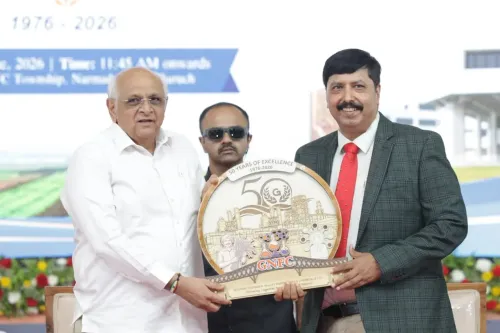
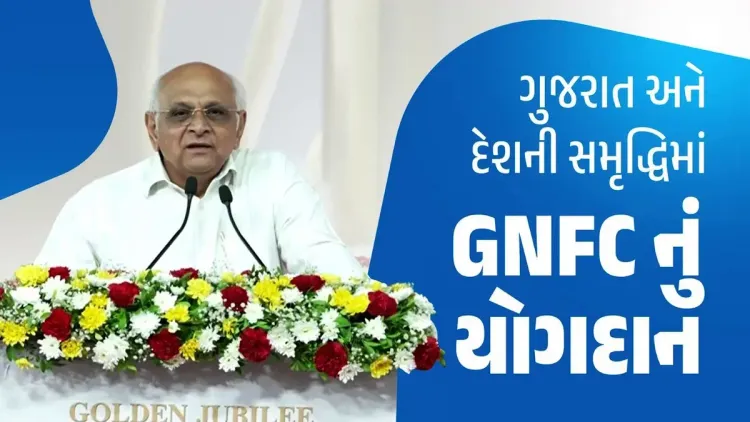
Gujarat Chief Minister Bhupendra Patel on Tuesday, 16 June 2026, praised Gujarat Narmada Valley Fertilizers and Chemicals Limited (GNFC) for its role in eliminating the black-market trade in subsidised urea through neem coating, crediting Prime Minister Narendra Modi's policy direction for the achievement.
Posting in Gujarati on X, the Chief Minister wrote: 'માનનીય મોદીજીના દિશાદર્શનમાં ખાતરનું નીમ કોટિંગ કરીને GNFC એ યુરિયાના કાળાબજાર અટકાવવામાં અને ખેડૂતોના હિતનું રક્ષણ કરવામાં ખૂબ મોટી ભૂમિકા ભજવી છે.' In English: 'Under the guidance of honourable Modiji, by coating fertilizer with neem, GNFC has played a very significant role in preventing the black market in urea and protecting the interests of farmers.'
Context
The post highlights GNFC's implementation of the neem-coated urea policy at its plant in Bharuch, Gujarat. The Chief Minister's remarks position Gujarat as a committed partner in a nationally mandated reform, with the state PSU serving as a frontline executor of the policy.
The neem-coating mandate was introduced by the Union government in May 2015, requiring that 100 percent of all subsidised urea sold in India be coated with neem oil. The measure was designed specifically to prevent urea — which carries a heavy government subsidy — from being diverted to industrial users or sold illegally at inflated prices.
Policy Backdrop
Before the mandate, subsidised urea was frequently diverted from its intended agricultural use and sold on the black market to chemical and industrial buyers who could pay higher prices. Farmers, the intended beneficiaries, often faced artificial shortages as a result.
Neem oil renders urea unsuitable for most industrial applications while also functioning as a slow-release agent that can improve soil nitrogen retention. The Modi government framed the policy as a dual-benefit reform — protecting the fertilizer subsidy bill while simultaneously improving agronomic outcomes for farmers.
Since 2014, the central government has pursued broader fertilizer-subsidy rationalisation through mechanisms including direct-benefit transfers and capacity expansion by public-sector undertakings. GNFC, as a Gujarat state PSU, has been cited by state authorities as an early and large-scale adopter of the neem-coating requirement.
Stakeholders and Impact
The primary beneficiaries of the policy are India's farming communities, who depend on affordable urea during the kharif and rabi sowing seasons. Diversion of subsidised urea to the black market had historically driven up input costs for small and marginal farmers who could not absorb price shocks.
For GNFC, the policy has reinforced its public-interest mandate. The company's Bharuch facility produces urea that feeds agricultural demand across Gujarat and neighbouring states. State officials have consistently pointed to the PSU's compliance as evidence of Gujarat's alignment with central agricultural welfare priorities.
What's Next
Attention will now focus on whether the impact of neem-coated urea on black-market incidents holds through the 2026 kharif season, as demand for subsidised inputs peaks. Any fresh budgetary allocations for fertilizer subsidies in the forthcoming Union Budget will also determine the scale at which PSUs like GNFC can sustain and expand production under the neem-coating framework.
Chief Minister Patel's public endorsement of the scheme ahead of the sowing season signals that Gujarat intends to keep agricultural welfare and fertilizer access at the centre of its policy messaging in the months ahead.
Point of View
It ties a state PSU's operational record directly to PM Modi's policy legacy, reinforcing the BJP's farmer-welfare narrative in an agrarian state. The framing of neem-coated urea as both an anti-corruption and pro-farmer tool is consistent with how the central government has positioned fertilizer reform since 2015. By invoking Modi's 'guidance' explicitly, Patel also demonstrates vertical alignment within the party at a moment when agricultural input costs remain politically sensitive. The post fits a broader pattern in which state BJP governments use welfare-scheme milestones to build a cumulative record ahead of electoral cycles.
NationPress
15 Sept 2026
Frequently Asked Questions
What is neem-coated urea and why was it introduced in India?
Neem-coated urea is subsidised urea whose granules are coated with neem oil, making it unsuitable for industrial use. The Union government mandated 100 percent neem coating in May 2015 to prevent black-market diversion of subsidised fertilizer away from farmers to industrial buyers.
What is GNFC and what role does it play in urea production?
GNFC, or Gujarat Narmada Valley Fertilizers and Chemicals Limited, is a Gujarat state public-sector undertaking that manufactures urea at its Bharuch plant. It has been a key producer of neem-coated urea under the central government's mandatory coating policy.
What did Gujarat CM Bhupendra Patel say about GNFC and neem-coated urea?
On 16 June 2026, CM Bhupendra Patel posted on X in Gujarati, saying that under PM Modi's guidance, GNFC played a very significant role in preventing the black market in urea and protecting the interests of farmers through neem coating.
How does neem coating stop urea from reaching the black market?
Neem oil coating makes urea slow-releasing and unsuitable for most industrial chemical processes. This removes the incentive for traders to divert subsidised urea to industrial buyers, ensuring it reaches farmers at the government-subsidised price.
What is the significance of neem-coated urea for Gujarat farmers?
Gujarat farmers, particularly during the kharif and rabi sowing seasons, depend on affordable urea. The neem-coating policy has helped prevent artificial shortages caused by black-market diversion, keeping subsidised fertilizer accessible and affordable for the farming community.