CM Bhupendra Patel Hails Modi-Trump India-US Partnership
Synopsis
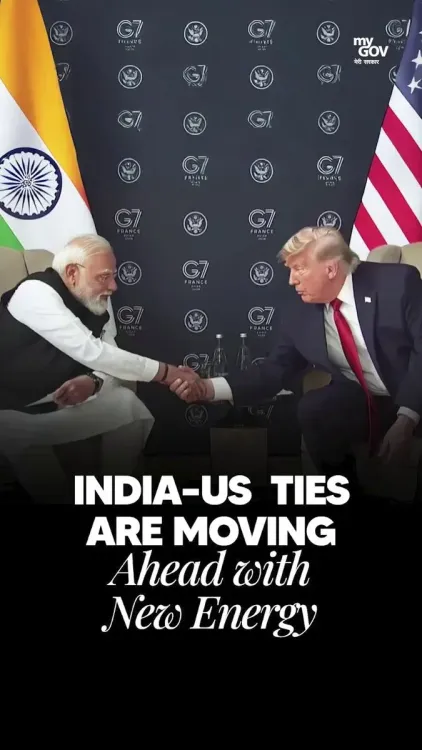
Gujarat Chief Minister Bhupendra Patel on 18 June 2026 praised Prime Minister Modi and US President Trump for reinforcing the India-US strategic partnership, calling Modi a bold champion of India's interests and a force for global peace and regional stability.
Key Takeaways
Gujarat CM Bhupendra Patel publicly praised the India-US partnership reinforced by PM Modi and President Trump on 18 June 2026 .
Patel described Modi as 'boldly championing India's interests' and positioning India as a 'vital force for global peace and regional stability.' The US designated India a Major Defence Partner in 2018 , enabling closer military-technology cooperation through agreements such as LEMOA , COMCASA , and BECA .
The 2019 Howdy Modi event in Houston and the 2020 Namaste Trump visit to Ahmedabad marked earlier high-profile milestones in the Modi-Trump relationship.
Senior BJP state leaders routinely echo central government foreign-policy messaging, particularly during significant bilateral engagements.
Gujarat 's pharmaceutical, chemical, and manufacturing sectors stand to benefit from any deepening of India-US economic and technology ties.
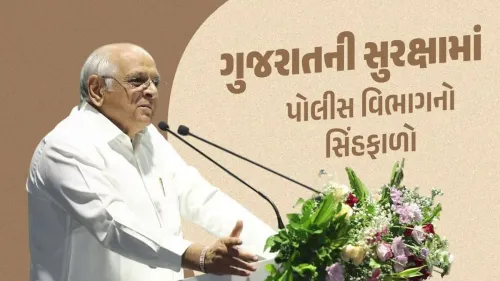
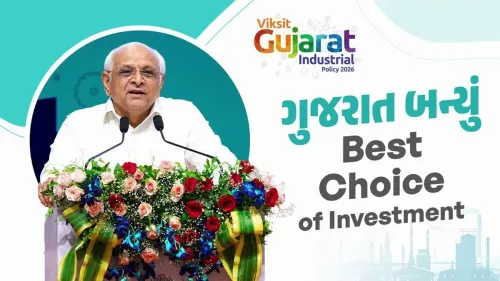
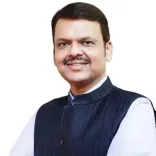
Gujarat Chief Minister Bhupendra Patel on Thursday, 18 June 2026, praised Prime Minister Narendra Modi and US President Donald Trump for reinforcing the India-US strategic partnership, saying the Prime Minister continues to 'boldly champion India's interests' while positioning the country as a 'vital force for global peace and regional stability.'
Context
Patel, writing on X, expressed pride at the two leaders strengthening bilateral ties, describing Modi as firmly anchoring India's role in global affairs. The post reflects a pattern among senior BJP state leaders of amplifying the central government's foreign-policy messaging, particularly when high-profile India-US engagements are under way.
The Chief Minister's remarks come against the backdrop of a long-running strategic convergence between New Delhi and Washington that has deepened across successive administrations on both sides.
Policy Backdrop
India and the United States have steadily expanded their defence and technology partnership over the past decade. The US designated India a Major Defence Partner in 2018, unlocking closer military-technology cooperation, and the two countries have since signed foundational defence agreements including LEMOA, COMCASA, and BECA.
The relationship also carries a strong people-to-people dimension. The 2019 Howdy Modi event in Houston, Texas, attended jointly by Modi and Trump, drew tens of thousands of Indian-Americans and underscored shared security goals. Trump's subsequent Namaste Trump visit to Ahmedabad in February 2020 further cemented personal rapport between the two leaders.
Successive US administrations have viewed India as a pivotal actor for Indo-Pacific stability, a posture that has given New Delhi considerable diplomatic leverage while it maintains its tradition of strategic autonomy.
Stakeholders and Impact
The Indian diaspora in the United States — one of the largest and most economically influential migrant communities globally — has consistently served as a bridge in bilateral relations, and high-visibility summits between the two leaders tend to reinforce that community's sense of shared identity with India's foreign-policy ambitions.
India's defence and technology industries stand to benefit from deepened cooperation, as closer ties have historically translated into co-production agreements, technology-transfer frameworks, and expanded trade in high-value goods. Regional neighbours and Quad partners — Japan and Australia — also watch India-US summitry closely as a signal of the multilateral security architecture's direction.
What's Next
Observers will watch for concrete outcomes from the latest round of India-US engagement, including any announcements on defence procurement, semiconductor supply chains, or trade frameworks that have been under negotiation. Quad leaders' meetings and bilateral ministerial dialogues are expected to follow any summit-level interaction, providing further detail on the partnership's near-term agenda.
For Gujarat and CM Patel specifically, stronger India-US economic ties carry direct relevance: the state is a major hub for pharmaceuticals, chemicals, and manufacturing — sectors where American market access and technology partnerships matter considerably. A sustained upswing in bilateral relations could translate into fresh investment and export opportunities for the state.
Point of View
' Patel ties the Modi-Trump meeting to the broader Indo-Pacific security discourse that New Delhi has been cultivating across Quad and bilateral channels. The effusive framing also serves a domestic audience, reinforcing the image of a proactive, globally respected Prime Minister ahead of any electoral cycle. The post signals that the party views India-US relations as an unambiguous political asset — one worth celebrating loudly from every level of government.
NationPress
18 Sept 2026
Frequently Asked Questions
Why did Gujarat CM Bhupendra Patel comment on the India-US meeting?
As a senior BJP leader, Patel regularly amplifies the central government's foreign-policy achievements. His post praised PM Modi and US President Trump for reinforcing the India-US strategic partnership, reflecting a coordinated party communications approach.
What is the India-US Major Defence Partner status?
The United States designated India a Major Defence Partner in 2018 , a status that enables closer military-technology cooperation and facilitates defence trade and co-production agreements between the two countries.
What were the Howdy Modi and Namaste Trump events?
Howdy Modi was a joint public event held in Houston, Texas in 2019 attended by PM Modi and then-President Trump, drawing a large Indian-American crowd. Namaste Trump was Trump's reciprocal visit to Ahmedabad, Gujarat in February 2020 , marking a high point in the personal diplomacy between the two leaders.
What defence agreements underpin the India-US partnership?
The partnership rests on three foundational defence agreements: LEMOA (logistics), COMCASA (communications security), and BECA (geospatial intelligence), all signed between 2016 and 2020 , enabling deeper military interoperability.
How does the India-US partnership affect Gujarat?
Gujarat is a major centre for pharmaceuticals, chemicals, and manufacturing — sectors closely linked to US trade and technology access. Stronger India-US economic ties can bring fresh investment, technology-transfer deals, and expanded export opportunities to the state.