CM Bhupendra Patel Pays Tribute to Nanaji Deshmukh on Birth Anniversary
Synopsis
Gujarat Chief Minister Bhupendra Patel marked the birth anniversary of Bharat Ratna Nanaji Deshmukh on October 11, saluting the grassroots reformer's lifelong dedication to rural self-reliance, Antyodaya welfare, and selfless social service as an enduring guiding light.
Key Takeaways
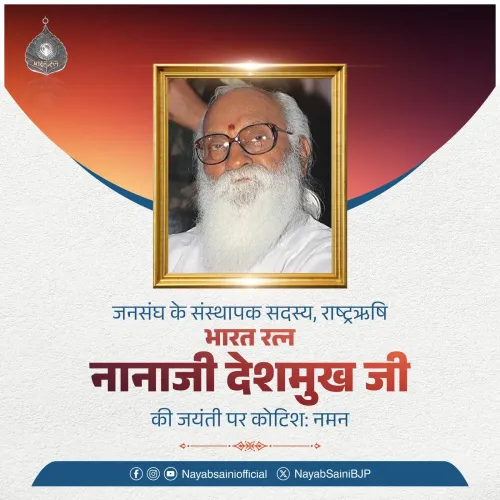
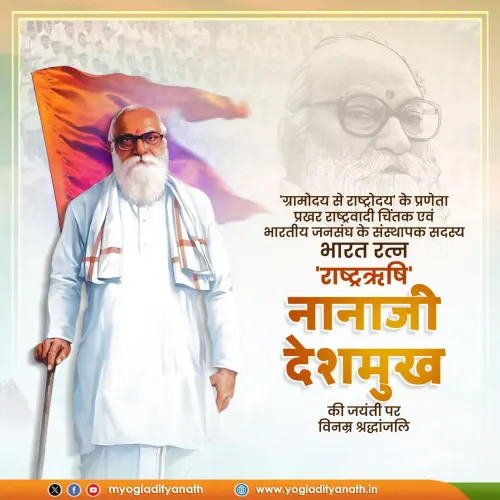
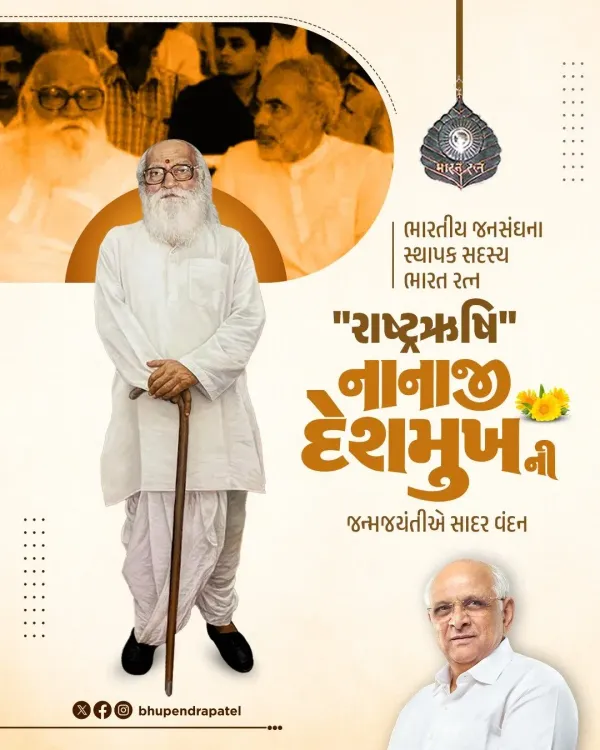
CM Bhupendra Patel posted a Gujarati tribute on October 11, 2026 , on the birth anniversary of Bharat Ratna Nanaji Deshmukh .
Nanaji Deshmukh was born on October 11, 1916 , in Kadoli village, Maharashtra, and dedicated his life to rural upliftment and the RSS.
He refused a cabinet post in the 1977 Janata Party government , choosing grassroots village work over political office.
His flagship institution, Chitrakoot Gramodaya Vishwavidyalaya in Madhya Pradesh, integrated health, education, and livelihood for rural communities.
He was posthumously awarded the Bharat Ratna in 2019 , more than nine years after his passing in February 2010 .
CM Patel's tribute invoked the term 'Antyodaya' — a core BJP ideological concept meaning 'rise of the last person' — linking Deshmukh's legacy to current governance philosophy.
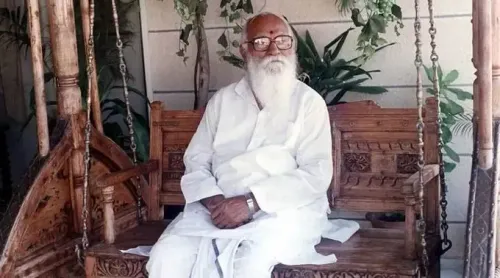
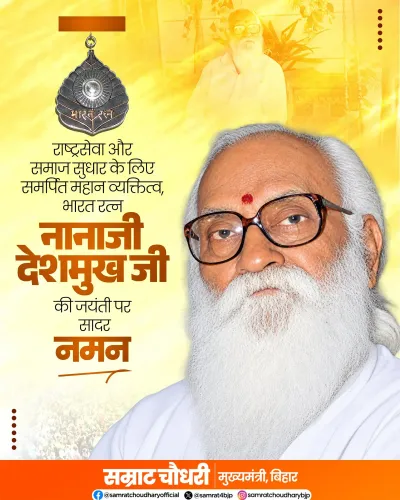
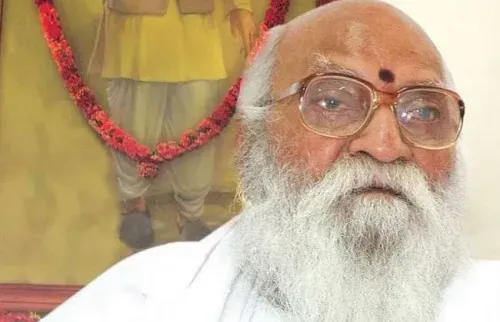
On the birth anniversary of one of India's most revered rural visionaries, Gujarat Chief Minister Bhupendra Patel paused to honour a life built entirely in service to the forgotten — Bharat Ratna Nanaji Deshmukh, the architect of rural self-reliance whose legacy continues to shape grassroots governance in India.
In a post on Sunday, October 11, 2026, CM Patel wrote in Gujarati, paying homage on Nanaji's Jayanti: 'Gramin svavalamban ane antyodaya kalyanana agradoot, prakhara chintaka, Bharat Ratna, Rashtrarrishi Nanaji Deshmukhjini jayantie smarananjali.' — meaning, 'A heartfelt tribute on the birth anniversary of the pioneer of rural self-reliance and Antyodaya welfare, a profound thinker, Bharat Ratna, Rashtrarrishi Nanaji Deshmukh.' He added that Nanaji's ideal life, dedicated to village upliftment and selfless social service, 'will always remain a guiding light.'
Who Was Nanaji Deshmukh — and Why He Still Matters
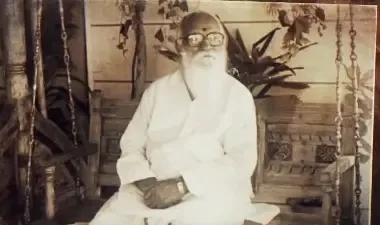
Chandrashekhar alias Nanaji Deshmukh was born on October 11, 1916, in Kadoli village in present-day Maharashtra. He rose through the Rashtriya Swayamsevak Sangh to become one of independent India's most consequential social workers, driven by a singular conviction: that India's true independence would only arrive when its villages stood on their own feet. He famously refused a cabinet post in the Janata Party government of 1977, choosing village work over political power.
His most celebrated project, the Chitrakoot Gramodaya Vishwavidyalaya in Madhya Pradesh, became a living laboratory for integrated rural development — combining health, education, livelihood, and self-governance in one ecosystem. He lived and worked among the rural poor until his death in February 2010, and was posthumously awarded the Bharat Ratna — India's highest civilian honour — in 2019.
The 'Antyodaya' Thread Connecting Deshmukh to Today's BJP
CM Patel's invocation of the word 'Antyodaya' — meaning 'rise of the last person' — is deliberate and politically resonant. The term, originally coined by Pandit Deendayal Upadhyaya, is a cornerstone of the BJP's social philosophy and continues to frame flagship welfare schemes targeting India's most marginalised citizens. Nanaji Deshmukh embodied that philosophy in practice, making him a recurring touchstone for BJP leaders, particularly on his Jayanti.
Gujarat, under CM Patel, has pursued its own rural development agenda under schemes aligned with the Centre's village-empowerment push — making today's tribute more than ceremonial. It signals a continuity of ideological lineage that the BJP draws with pride from Deshmukh's grassroots legacy all the way to present-day governance.
A man who turned down a ministerial chair to dig wells and build schools in Bundelkhand's driest districts — Nanaji Deshmukh set a bar for public service that politicians across the spectrum still find useful to measure themselves against.
Point of View
Tying local rural-development priorities to a nationally respected moral authority. Deshmukh's deliberate rejection of ministerial power in favour of village work also functions as an implicit counter-narrative to perceptions of power-hungry politics. The tribute is ceremonial in form, but ideologically load-bearing in content.
NationPress
11 Oct 2026
Frequently Asked Questions
Who was Nanaji Deshmukh?
Nanaji Deshmukh, born on October 11, 1916, was an Indian social reformer, RSS leader, and pioneer of rural self-reliance who founded the Chitrakoot Gramodaya Vishwavidyalaya. He was posthumously awarded the Bharat Ratna in 2019.
Why is Nanaji Deshmukh called 'Rashtrarrishi'?
Nanaji Deshmukh earned the honorific 'Rashtrarrishi' — meaning 'sage of the nation' — for his lifelong, selfless service to rural communities, his rejection of political power, and his philosophical contributions to grassroots welfare.
What is Antyodaya and how is it linked to Nanaji Deshmukh?
Antyodaya means 'rise of the last person in the queue' and is a core concept in BJP and RSS social philosophy originally articulated by Pandit Deendayal Upadhyaya. Nanaji Deshmukh is seen as its most devoted practitioner, having spent decades working among India's poorest rural communities.
When did Bhupendra Patel pay tribute to Nanaji Deshmukh?
Gujarat Chief Minister Bhupendra Patel paid tribute to Nanaji Deshmukh on Sunday, October 11, 2026, which marks Deshmukh's birth anniversary.
What was Nanaji Deshmukh's most famous project?
Nanaji Deshmukh's most celebrated initiative was the Chitrakoot Gramodaya Vishwavidyalaya in Madhya Pradesh's Chitrakoot district — a university dedicated to integrated rural development, combining education, health, and livelihood programmes for village communities.