CM Pema Khandu Hails Army's Student Aid Drive in Arunachal
Synopsis
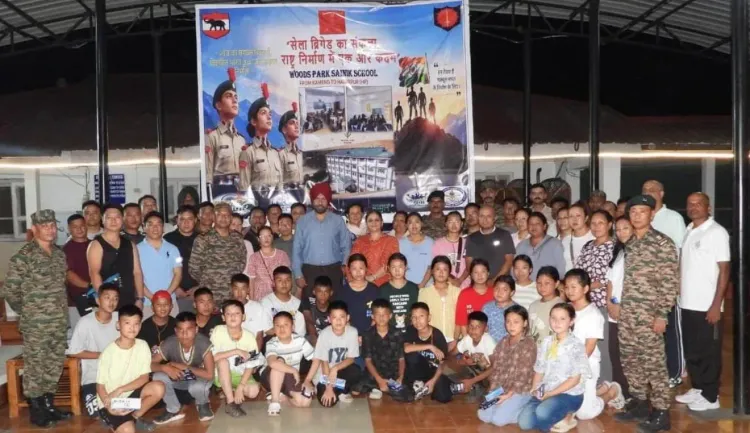
Arunachal Pradesh CM Pema Khandu has applauded the Gajraj Corps and Sela Warriors for supporting 26 students from border towns Dirang and Jang with admissions, concessional fees, and transport, and for launching the 'Future Leaders Grove' environmental initiative.
Key Takeaways
CM Pema Khandu publicly praised Gajraj Corps and Sela Warriors on 21 July 2026 for their youth-empowerment drive in Arunachal Pradesh.
26 meritorious students from Dirang (West Kameng) and Jang (Tawang) are being supported with admissions, concessional fees, and transportation.
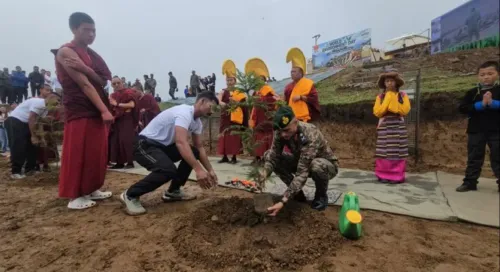
The 'Future Leaders Grove' initiative links tree-plantation and environmental responsibility with youth development.
Gajraj Corps , headquartered in Tezpur , holds operational responsibility for Arunachal Pradesh along the sensitive Line of Actual Control with China.
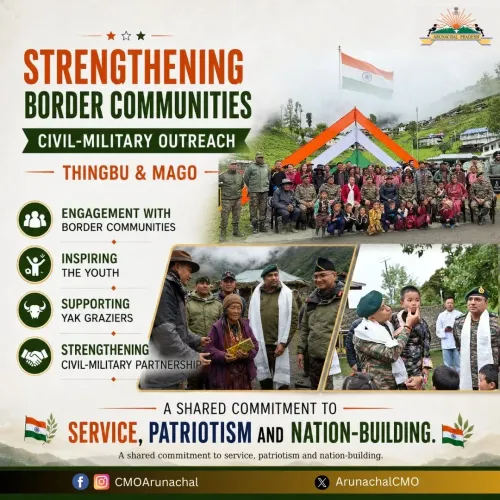
The initiative is part of the Indian Army's long-standing civic-action mandate in northeastern border districts, now receiving explicit state-government endorsement.
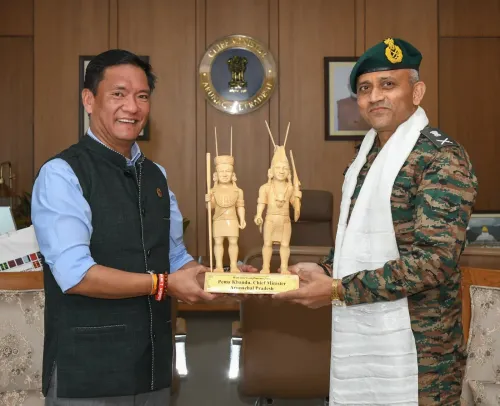
Arunachal Pradesh Chief Minister Pema Khandu on Tuesday, 21 July 2026, praised the Gajraj Corps of the Indian Army and its Sela Warriors formation for launching education and environment initiatives aimed at empowering youth in the state's remote border districts.
Context
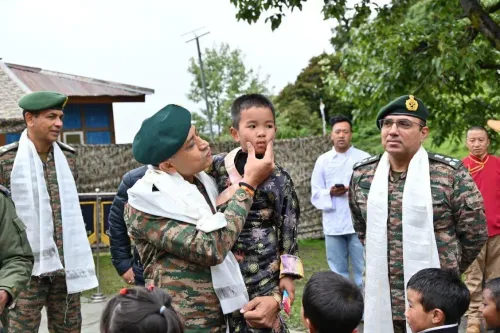
Khandu highlighted an initiative supporting 26 meritorious students from Dirang in West Kameng district and Jang in Tawang district — two strategically located towns close to the Line of Actual Control with China. The support covers admissions, concessional fees, and transportation for the selected students.
The Chief Minister described the effort as reflecting 'the Indian Army's commitment towards nation-building beyond its role of safeguarding our borders,' directly quoting the spirit of the initiative in his post.
Policy Backdrop
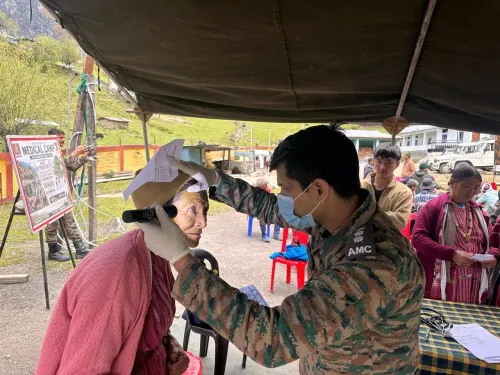
Indian Army formations deployed in the Northeast have operated civic-action programmes spanning education, healthcare, and welfare in border districts for several decades. These efforts form part of a dual mandate: maintaining operational readiness along sensitive frontiers while building goodwill and human capital in remote communities.
Gajraj Corps, headquartered in Tezpur, Assam, holds operational responsibility for Arunachal Pradesh and parts of Assam — a region that has seen accelerated infrastructure development and sustained strategic attention given its boundary with China. The Sela Warriors are a formation operating in the high-altitude Sela Pass corridor, a critical artery connecting Tawang to the rest of the country.
The 'Future Leaders Grove' initiative, also flagged by Khandu, links tree-plantation and environmental stewardship with youth development — an approach that mirrors similar army-led green drives in other northeastern and Himalayan frontier zones.
Stakeholders and Impact
The immediate beneficiaries are students from Dirang and Jang, communities that face geographic isolation and limited access to quality education infrastructure. Concessional fees and transportation support directly address two of the most common barriers to secondary and higher education in high-altitude border areas.
Broader stakeholders include the state government, which has consistently sought to align army civic-action programmes with its own human-development priorities, and the central government, which channels funds for border-area development through schemes such as the Vibrant Villages Programme. Environmental groups and local administrations are also stakeholders in the 'Future Leaders Grove' component, which ties ecological responsibility to youth leadership.
Khandu's public endorsement — addressed directly to @GajrajCorps_IA and the #SelaWarriors — signals strong state-level political backing for the Army's expanded civic role in the region.
What's Next
The Chief Minister's statement is likely to encourage further army-state partnerships on student support and environmental programmes across other border districts of Arunachal Pradesh. Analysts will watch whether similar concessional-education models are scaled to additional formations or districts along the LAC.
With the Vibrant Villages Programme and other border-area development frameworks already active in the state, there is potential for formal convergence between army civic initiatives and centrally funded schemes — a development that would deepen both the reach and the institutional footing of such programmes.
Point of View
Not merely a military goodwill gesture. By naming specific formations and tagging them directly, the Chief Minister lends political visibility to activities that typically remain below the media radar. This fits a broader pattern in which frontier states increasingly position the Army as a co-delivery partner for education and environment goals, particularly in districts where civilian infrastructure lags. The 'Future Leaders Grove' framing is also notable: tying ecological stewardship to youth identity in a biodiversity-rich, strategically sensitive region carries both soft-power and policy resonance.
NationPress
22 Jul 2026
Frequently Asked Questions
What did Gajraj Corps do for students in Arunachal Pradesh?
Gajraj Corps and its Sela Warriors formation supported 26 meritorious students from Dirang and Jang with school or college admissions, concessional fees, and transportation assistance to improve access to education in remote border areas.
What is the 'Future Leaders Grove' initiative?
'Future Leaders Grove' is an initiative by the Sela Warriors that connects tree-plantation and environmental stewardship with youth development, symbolically linking the growth of young people with the responsibility of protecting the natural environment.
Where are Dirang and Jang located?
Dirang is a town in West Kameng district of Arunachal Pradesh, while Jang is a settlement in Tawang district — both located close to high-altitude routes near the Line of Actual Control with China.
What is Gajraj Corps?
Gajraj Corps is an Indian Army corps headquartered in Tezpur, Assam, with operational responsibility for Arunachal Pradesh and parts of Assam, covering the sensitive border region along the Line of Actual Control.
Why does the Indian Army run education programmes in Arunachal Pradesh?
Indian Army formations in the Northeast have operated civic-action programmes for several decades as part of a dual mandate that combines border security with education, welfare, and community development in remote frontier districts.