CM Pema Khandu Hails Indian Women's Kabaddi Gold at Asian Games 2026
Synopsis
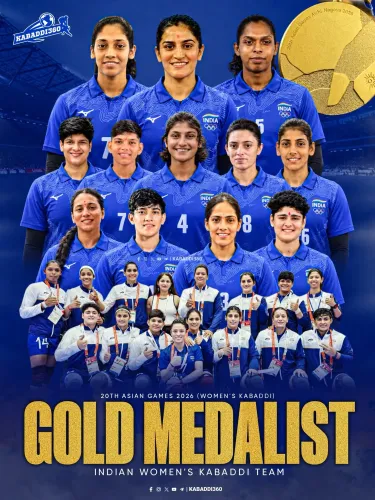
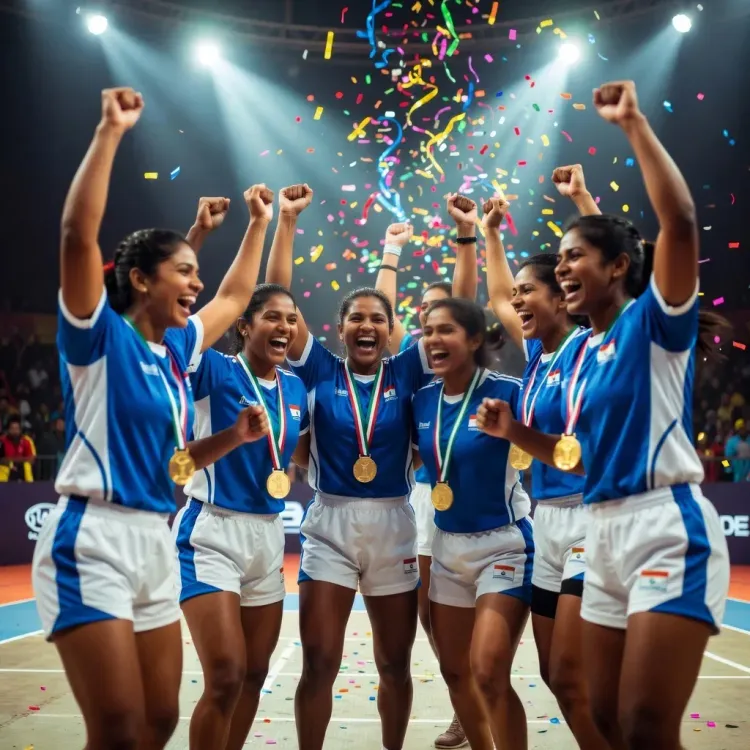
India's Women's Kabaddi Team retained their Asian Games 2026 gold medal with a hard-fought win over Iran. Arunachal Pradesh Chief Minister Pema Khandu celebrated the victory on X, hailing the achievement as 'Golden Glory for Bharat' and underlining India's enduring dominance in continental kabaddi.
Key Takeaways
India's Women's Kabaddi Team won the gold medal at the Asian Games 2026 , defeating Iran in the final.
The victory means India has retained its Asian Games women's kabaddi crown, extending a long-standing record of dominance in the event.
Arunachal Pradesh Chief Minister Pema Khandu publicly celebrated the result on X on September 26, 2026 .
India's success in Asian Games kabaddi reflects the sport's deep subcontinental roots and a strong domestic player pipeline.
Iran is among the region's most competitive kabaddi nations, making a gold-medal victory against them particularly significant.
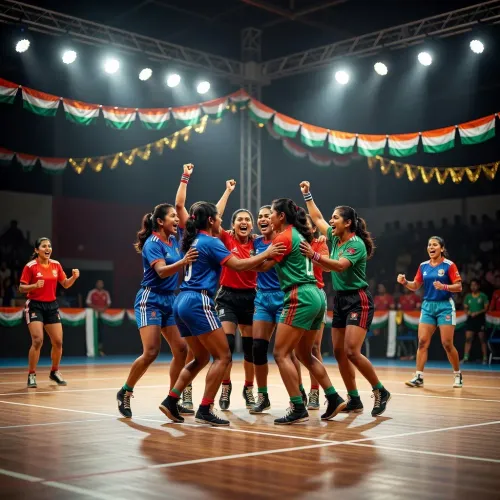
Gold. Again. India's Women's Kabaddi Team defended their Asian Games crown on Saturday, September 26, 2026, defeating Iran in the Gold Medal match — and Arunachal Pradesh Chief Minister Pema Khandu was among the first to salute the feat with a thunderous message on X.
Khandu's post — 'GOLDEN GLORY FOR BHARAT! 🥇🇮🇳' — captured the mood of a nation watching its kabaddi women do what they have made a habit of doing on the continental stage: win. The victory over Iran in the gold medal match extended India's remarkable run of dominance in Asian Games kabaddi, a sport that was born on the subcontinent and has never truly left it.
A Crown Retained, A Legacy Extended
India's women kabaddi players have consistently been the team to beat at the Asian Games, with gold medals forming the backbone of the country's continental record in the discipline. The sport's deep subcontinental roots give India a structural advantage — grassroots depth, a robust domestic league ecosystem, and a culture where kabaddi is not just a game but a community institution.
Retaining a gold medal at a quadrennial event is never routine. It means a new generation of athletes stepped into the spotlight and delivered under the highest pressure the Asian circuit offers. Against Iran — one of the region's most competitive kabaddi nations — a 'hard-fought victory', as Khandu described it, signals a team that earned every raid point.
Why Kabaddi Gold Carries Outsized Weight
Kabaddi occupies a unique space in India's sporting psyche. It is one of the few team sports where India does not just participate at the Asian Games — it arrives as the defending champion, every time. That expectation is a burden and a badge simultaneously. Sustaining it against improving continental rivals sharpens the squad and keeps the domestic pipeline competitive.
For a political leader from Arunachal Pradesh — a state where indigenous games and physical culture run deep — Khandu's celebration is more than ceremonial. His voice joins a national chorus that, for this one afternoon, needs no political context: just a team, a mat, and a gold medal that belongs to Bharat.
Indian kabaddi's continental throne remains occupied. The question now is who dares to challenge it next.
Point of View
Celebrating such victories carries a dual function: genuine national pride and the soft political optic of being associated with Team India's wins. The enduring challenge for Indian kabaddi administrators is converting continental dominance into a globally recognised brand, especially as rival nations close the technical gap with every Asian Games cycle.
NationPress
26 Sept 2026
Frequently Asked Questions
Did India win the women's kabaddi gold at Asian Games 2026?
Yes. India's Women's Kabaddi Team won the gold medal at the Asian Games 2026, defeating Iran in the gold medal match, as celebrated by Arunachal Pradesh CM Pema Khandu on X.
Who did India beat in the women's kabaddi final at Asian Games 2026?
India defeated Iran in the gold medal match of the women's kabaddi event at the Asian Games 2026.
What did Pema Khandu say about the Indian kabaddi team?
Chief Minister Pema Khandu posted 'GOLDEN GLORY FOR BHARAT!' on X, congratulating the Indian Women's Kabaddi Team for retaining their Asian Games crown with a hard-fought victory over Iran.
How many times has India won women's kabaddi gold at the Asian Games?
India has a dominant historical record in Asian Games kabaddi for both men and women, consistently winning gold medals at the quadrennial event. The 2026 title represents a retention of their championship.
Is kabaddi part of the Asian Games?
Yes, kabaddi has been a medal sport at the Asian Games for decades, and India has historically been the dominant force in both men's and women's categories at the event.