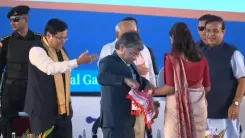
Sonowal lays foundation of 150 TPD e-Methanol Plant at Kandla
Synopsis
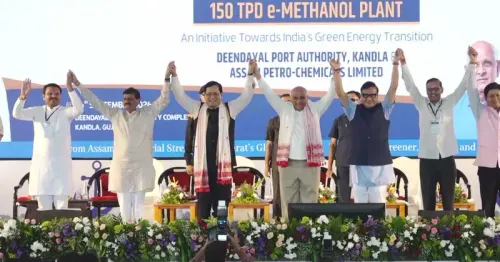
Union Minister Sarbananda Sonowal attended the foundation-laying of a 150 TPD e-Methanol Plant at Deendayal Port, Kandla, on 26 September 2026, positioning the Assam-Gujarat initiative as a landmark step in India's green maritime and clean-fuel ambitions.
Key Takeaways
Foundation laid on 26 September 2026 for a 150 tonne-per-day e-Methanol Plant at Deendayal Port, Kandla, Gujarat.
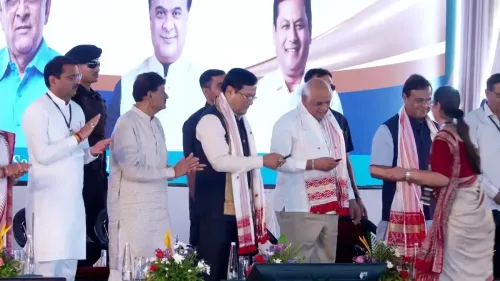
Union Minister Sarbananda Sonowal addressed the Shilanyas ceremony and framed the project as an Assam-Gujarat collaboration .
E-methanol is a near-zero-emission synthetic fuel that can decarbonise both heavy industry and international shipping.
The plant aligns with India's National Green Hydrogen Mission (2023) , which targets green hydrogen derivatives for domestic use and export.
Deendayal Port — one of India's largest public ports — is being positioned as a production node for green fuels, not just a cargo handler.
India's broader goal of net-zero by 2070 and rising global carbon-border pressures make port-based clean-fuel production strategically urgent.
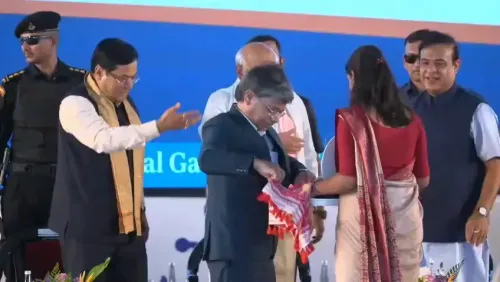
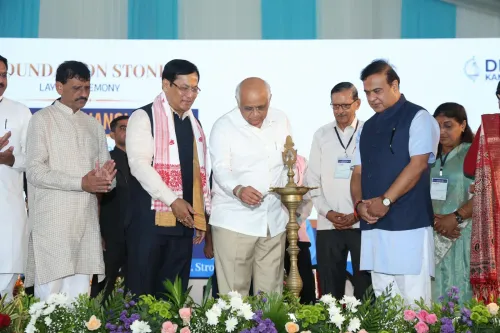
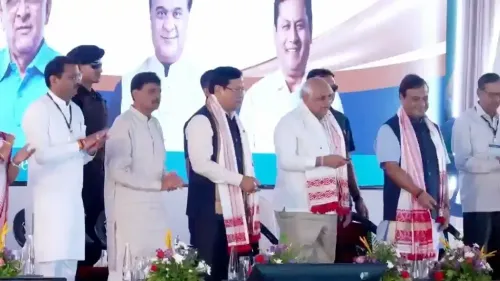
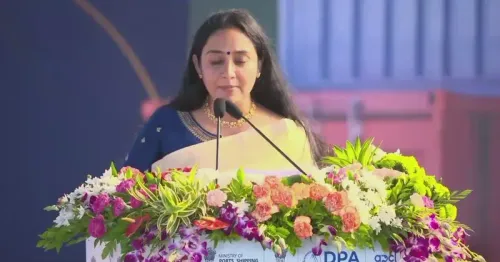
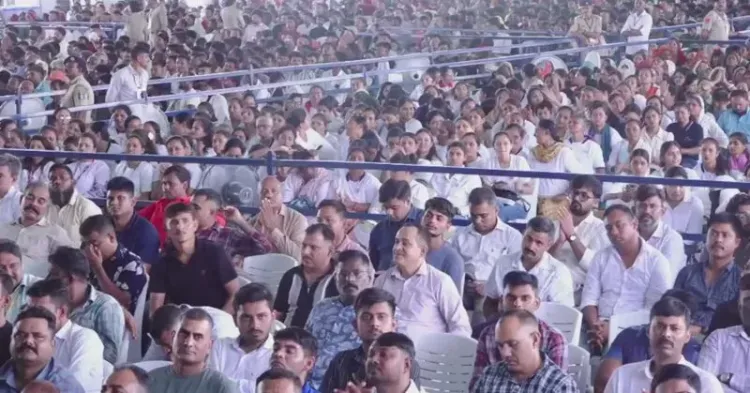
Two states, one green ambition — and the foundation stone is now in the ground. Union Minister of Ports, Shipping and Waterways Sarbananda Sonowal addressed the Shilanyas (foundation-laying) ceremony of a 150 tonne-per-day e-Methanol Plant at Deendayal Port, Kandla, Gujarat, on Saturday, 26 September 2026, calling the initiative a landmark 'collab for India's green future' anchored in an Assam-Gujarat partnership.
What is being built at Kandla — and why it matters
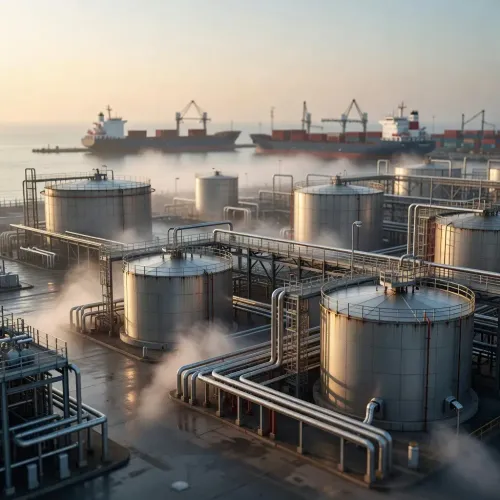
The plant, rated at 150 tonnes per day, will produce e-methanol — a clean synthetic fuel manufactured using green hydrogen and captured carbon dioxide. Unlike fossil-derived methanol, e-methanol carries a near-zero lifecycle emission footprint, making it a front-runner candidate for decarbonising heavy industry and, crucially, international shipping. Deendayal Port is one of India's largest public ports by cargo volume, handling bulk and liquid cargo that feeds sectors from fertilisers to petroleum — which is exactly why locating an e-methanol facility here sends a signal beyond just Gujarat.
Shipping's hard-to-abate emissions have pushed the International Maritime Organization to tighten fuel standards through this decade. Indian ports, under pressure to stay competitive on global trade lanes, are racing to offer green-fuel bunkering. A domestic production node at Kandla means the fuel can be consumed where it is made.
The Assam-Gujarat green corridor taking shape
Minister Sonowal, himself a son of Assam, framed the project explicitly as an inter-state collaboration. The pairing is not accidental: Assam sits atop substantial biomass and feedstock resources that can feed green-hydrogen or methanol supply chains, while Gujarat's coastline and port infrastructure provide the industrial scale and export gateway. Together, the two states sketch the rough outline of a feedstock-to-fuel-to-ship corridor that India's green maritime policy has long needed.
The project lands squarely inside the National Green Hydrogen Mission, launched in 2023, which set out to make India a global hub for green hydrogen and its derivatives — ammonia, methanol, and related chemicals — for both domestic use and export. E-methanol is one of the mission's priority derivative fuels.
Ports as nodes in India's net-zero playbook
The Kandla plant is part of a broader national pivot: positioning major ports not merely as cargo-handling infrastructure but as active production centres for clean fuels. India has committed to net-zero emissions by 2070, and the shipping and logistics sector — historically an afterthought in climate accounting — is now firmly inside that target perimeter. Each green-fuel facility commissioned at a major port tightens the link between maritime commerce and the energy transition, giving Indian exporters a compliance edge as the European Union and other markets ratchet up carbon-border scrutiny.
For Sonowal, the ceremony is also politically resonant: as former Chief Minister of Assam now steering national maritime policy, presiding over a project that puts his home state in partnership with India's most industrially powerful coastal state is a visible demonstration of the federal, cross-regional ambition he has staked his ministerial tenure on.
The question now is whether the construction timeline holds — and whether Kandla becomes the template that other major ports replicate before the decade is out.
Point of View
Moving the policy from aspiration to physical infrastructure at one of the country's busiest ports. Sonowal's framing of this as an Assam-Gujarat axis is strategically significant: it signals that India's green maritime push will be built on inter-state feedstock-to-coast supply chains rather than isolated coastal projects. As the EU's carbon border mechanism increasingly scrutinises the emissions embedded in traded goods and as IMO fuel standards tighten, India's early investment in port-based green-fuel production could yield a serious competitive advantage for Indian exporters. The project also reinforces Sonowal's ministerial brand — bridging his northeastern political roots with Gujarat's industrial muscle to deliver a project with genuine national climate relevance.
NationPress
26 Sept 2026
Frequently Asked Questions
What is the e-Methanol Plant being built at Kandla?
It is a 150-tonne-per-day e-Methanol Plant at Deendayal Port, Kandla, Gujarat, whose foundation stone was laid on 26 September 2026 . The plant will produce e-methanol — a clean synthetic fuel made from green hydrogen and captured CO2 — to help decarbonise industry and maritime shipping.
What is the Assam-Gujarat collaboration in this green project?
Union Minister Sarbananda Sonowal described the plant as an Assam-Gujarat partnership, linking Assam's feedstock resources and political leadership with Gujarat's port infrastructure and industrial capacity to create a green-fuel supply chain.
How does this project connect to India's National Green Hydrogen Mission?
India's National Green Hydrogen Mission , launched in 2023 , aims to scale production of green hydrogen and its derivatives — including e-methanol — for domestic industrial use and export. The Kandla plant is a direct implementation of that mission at a major port.
Why is Deendayal Port chosen for this e-methanol plant?
Deendayal Port, Kandla is one of India's largest public ports handling bulk and liquid cargo. Locating an e-methanol production facility there means the clean fuel can be produced and consumed — or bunkered for ships — at the same site, cutting logistics costs and emissions.
What is e-methanol and why is it important for shipping?
E-methanol is a synthetic methanol produced using green hydrogen and CO2, giving it a near-zero lifecycle carbon footprint. It is a leading alternative marine fuel because existing ship engines can run on it with relatively modest modifications, helping the shipping industry meet tightening international emissions regulations.